Ha Giang Loop experience
09/10/2026
Is Ha Giang Loop Dangerous? An Honest Guide for Travelers

Share


Summary of content
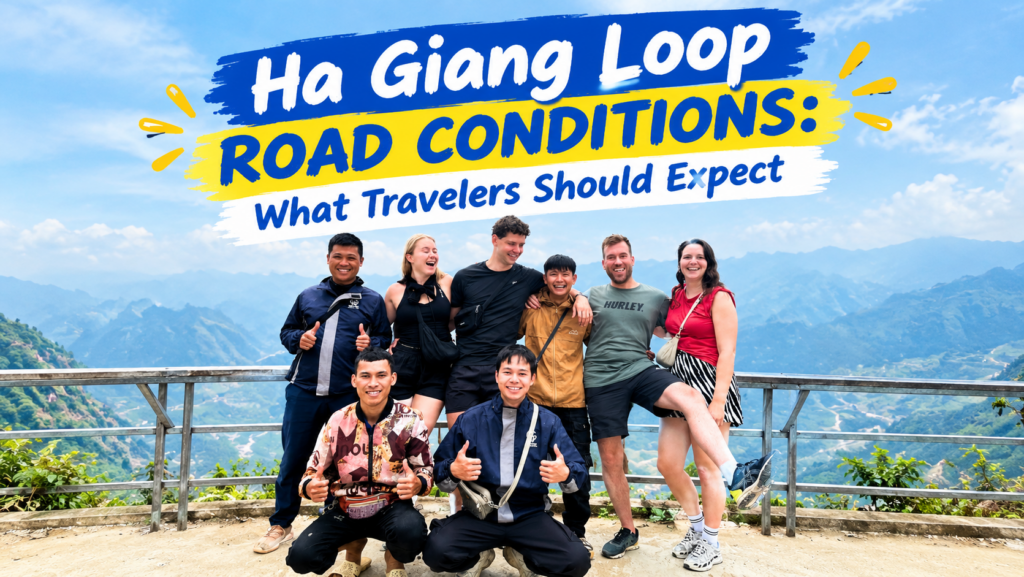
Ha Giang Loop Road Conditions are one of the most important things to understand before planning a trip through northern Vietnam. The route takes travelers through dramatic limestone mountains, remote villages, steep passes, and winding roads with spectacular views. While much of the main route is paved, that does not mean every section is smooth or easy to travel.
Ha Giang Loop Road Conditions
Some stretches are comfortable to ride on, while others require slower speeds, careful turns, and extra attention to the road surface. Rain, fog, loose stones, road repairs, and local traffic can also affect the journey. Conditions may change between travel dates, so a route that was easy for one group may feel more challenging for another.
If you are planning your first trip, this guide explains what the roads are generally like, which sections deserve extra attention, how weather affects the journey, and what you can do to prepare. You can also read our Ha Giang Loop Complete Guide for a broader introduction to the route, travel options, and planning your trip.
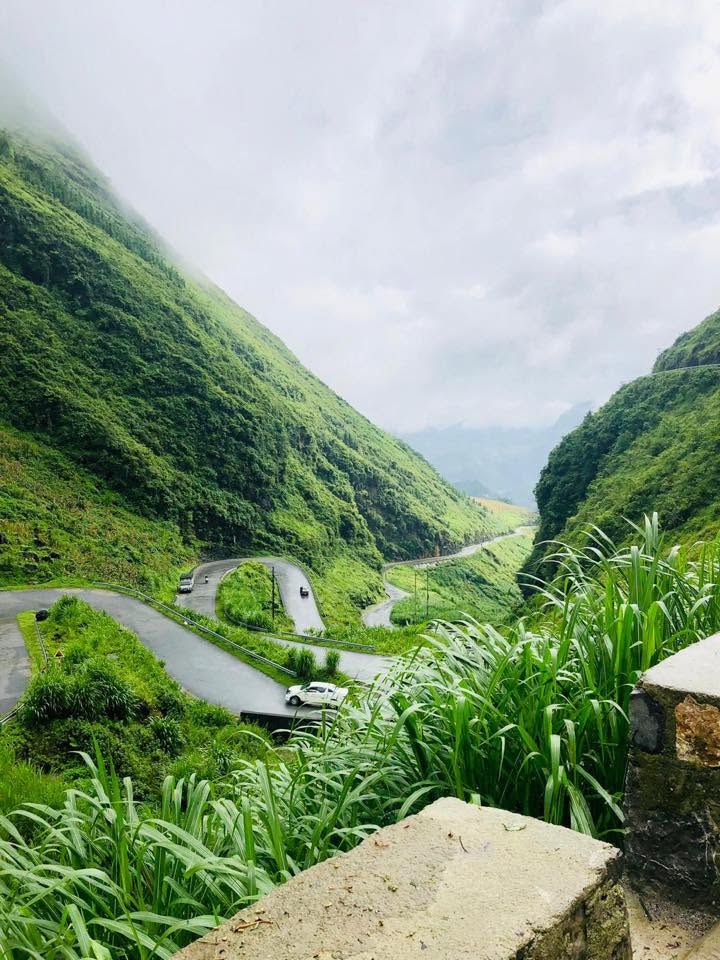
The main Ha Giang Loop route is largely paved, connecting Ha Giang City with areas such as Quan Ba, Yen Minh, Dong Van, and Meo Vac before returning toward the starting point. However, the road surface is not consistent throughout the journey.
Ha Giang Loop Road Conditions
Travelers can expect a mixture of smooth asphalt, narrow mountain roads, sharp bends, steep climbs, and occasional uneven or damaged sections. Smaller roads leading to villages, waterfalls, viewpoints, and less-visited attractions may be rougher than the main route.
Road repairs and construction can also create temporary changes. A section that normally has a paved surface may have loose gravel, dust, uneven edges, or restricted space while work is underway. Heavy rain can bring mud and small rocks onto the road, even where the surface was previously in good condition.
The important thing to remember is that good road conditions do not necessarily mean easy riding conditions. Even a well-paved mountain road can be challenging because of its curves, elevation changes, limited visibility, and steep drops beside certain sections.
For an overview of the route itself, see the Ha Giang Loop Route guide.
Leaving Ha Giang City, the road gradually enters the mountains and begins climbing toward Quan Ba. The landscape changes from built-up areas and valleys to winding roads surrounded by limestone hills.

Ha Giang Loop Road Conditions
Some parts are relatively straightforward, but the road becomes more curved as the elevation increases. You may encounter local traffic, trucks, animals, and vehicles slowing down to take turns or stop at viewpoints.
Do not assume that the road will remain equally easy throughout this section. Pay attention to bends and avoid accelerating just because the previous stretch was smooth.
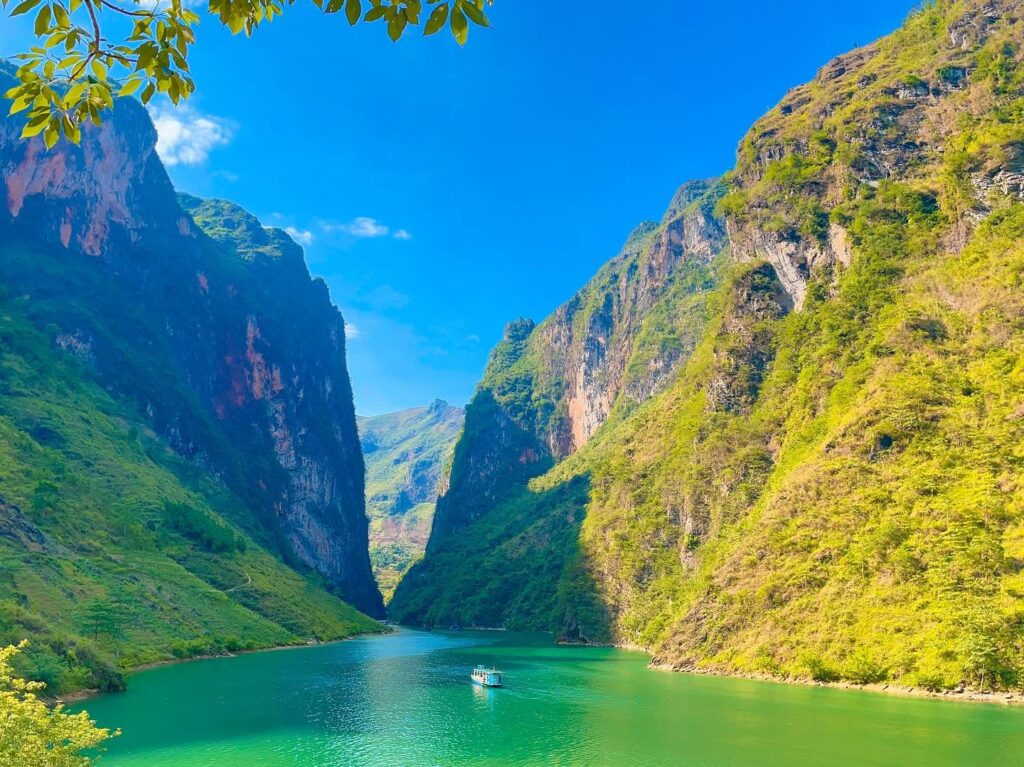
The route between Quan Ba and Yen Minh passes through mountain scenery, valleys, and forested areas. Much of the main road is paved, but the combination of curves, climbs, and changing visibility can make progress slower than expected.
Ha Giang Loop Road Conditions
You may encounter rough patches or temporary roadworks, depending on recent maintenance and weather. On misty days, visibility can decrease around higher sections, making it harder to see approaching vehicles or the direction of the next bend.
Allow enough time for this stretch instead of planning your day around distance alone. Stopping to enjoy the scenery is part of the experience, but choose designated or clearly safe places rather than pulling over suddenly on a narrow road.
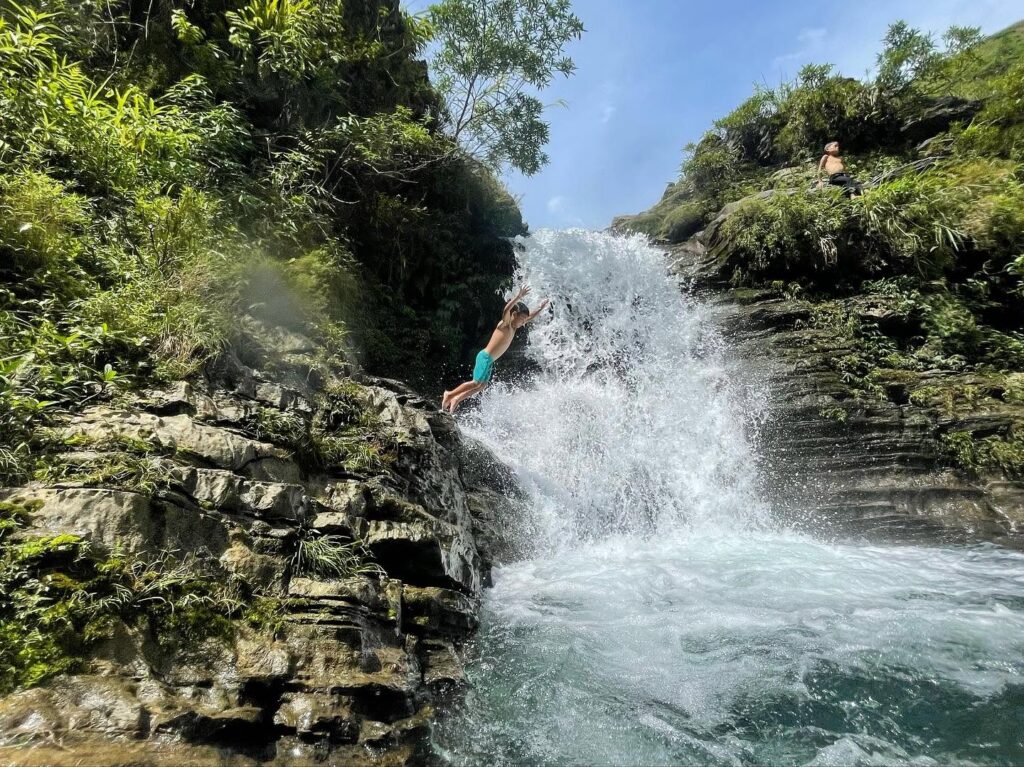
As the route approaches Dong Van, the landscape becomes more rugged, with rocky hills and sections of exposed mountain terrain. The road includes bends and changes in elevation, so riders need to remain attentive even when the surface appears dry and smooth.
Construction work, uneven edges, and loose stones may occur in particular places. The exact condition of these sections can change over time, so travelers should ask local guides or tour operators about any current restrictions before departure.
Ha Giang Loop Road Conditions
This is also a good reminder not to rush. A slower journey gives you more time to respond to unexpected obstacles and enjoy the scenery without constantly worrying about reaching the next stop.
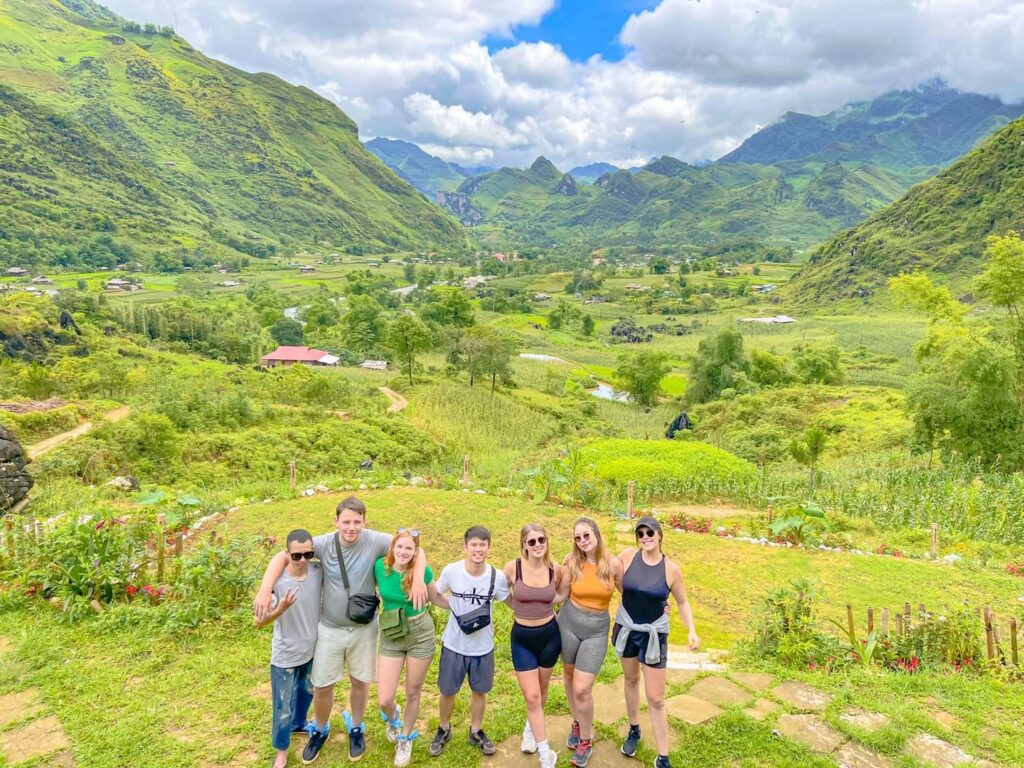
The section across Ma Pi Leng Pass is among the best-known parts of the Ha Giang Loop. The road runs along dramatic mountain slopes, with views toward the Nho Que River and the deep valley below.
Ha Giang Loop Road Conditions
The main challenge is not simply whether the road is paved. Parts of the pass are narrow and winding, with sharp turns and limited room for vehicles to pass. Visibility around bends can be restricted, and stopping in the wrong place can create a hazard for other road users.
Take turns slowly, stay on your side of the road, and never assume that the road ahead is clear just because you cannot see another vehicle. If you want photographs, wait until you reach a suitable viewpoint or safe stopping area.
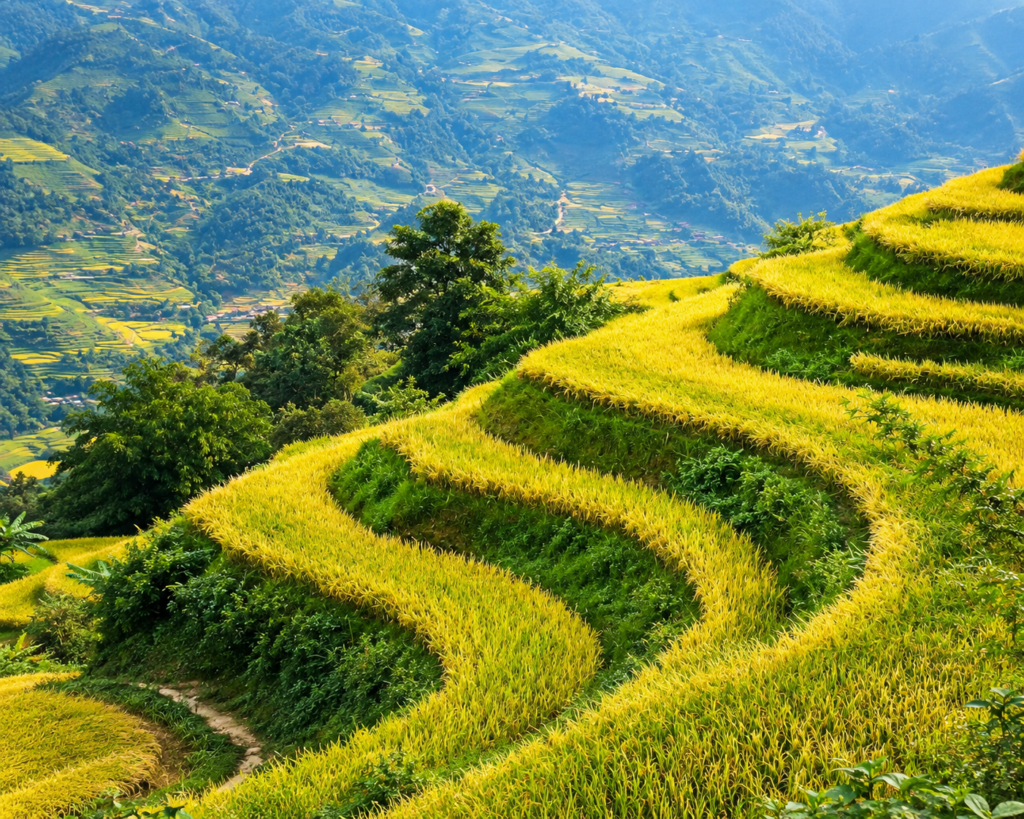
The roads around Meo Vac, Mau Due, and Du Gia take travelers through quieter valleys, rural settlements, and more remote landscapes. Some stretches are paved and manageable, while smaller connecting roads can be uneven or affected by recent weather and repair work.
Ha Giang Loop Road Conditions
Conditions may differ significantly from one section to another. Loose gravel, damaged surfaces, muddy patches, and animals crossing the road are possibilities to keep in mind, particularly away from the main route.
This part of the journey is another reason to avoid an overly ambitious itinerary. If road conditions slow you down, it is better to arrive at your accommodation later within a sensible schedule than to ride too quickly to make up lost time.
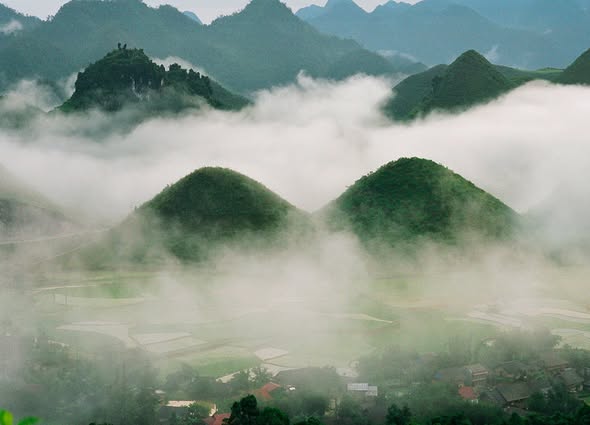
Weather can change the riding experience considerably. A road that feels manageable in dry weather may become more difficult after rain, while fog can make mountain bends challenging even when the surface itself is in good condition.
Rain can reduce tyre grip and make corners more slippery. Water may collect on uneven surfaces, while mud, gravel, and small rocks can wash onto the road from nearby slopes. In some areas, heavy rainfall can also lead to landslides, falling rocks, or temporary road closures.
Ha Giang Loop Road Conditions
Travelers should avoid assuming that every section will be safe to cross simply because it appears on a planned route. If local authorities or experienced guides advise against using a road, follow that advice and use an appropriate alternative when available.
During wet weather, leave more distance between vehicles, brake gently, and avoid sudden changes in direction. If the rain becomes heavy or visibility deteriorates, stop somewhere safe and wait for conditions to improve.
Fog is particularly important on elevated mountain roads. It can reduce visibility with little warning, making it harder to judge distances, identify road edges, and see vehicles approaching from the opposite direction.
Use appropriate lights, reduce speed, and avoid overtaking when visibility is limited. If you cannot clearly see enough of the road ahead to travel safely, find a suitable place to stop rather than continuing simply to keep up with a schedule.
Dry weather generally makes the road surface easier to manage, but it does not remove every hazard. Dust, loose gravel, damaged patches, blind corners, and traffic remain relevant.
Dry conditions can also make it tempting to ride faster. Resist that temptation, especially on unfamiliar mountain roads. The safest speed depends on the surface, visibility, traffic, and your own ability to respond to unexpected situations.
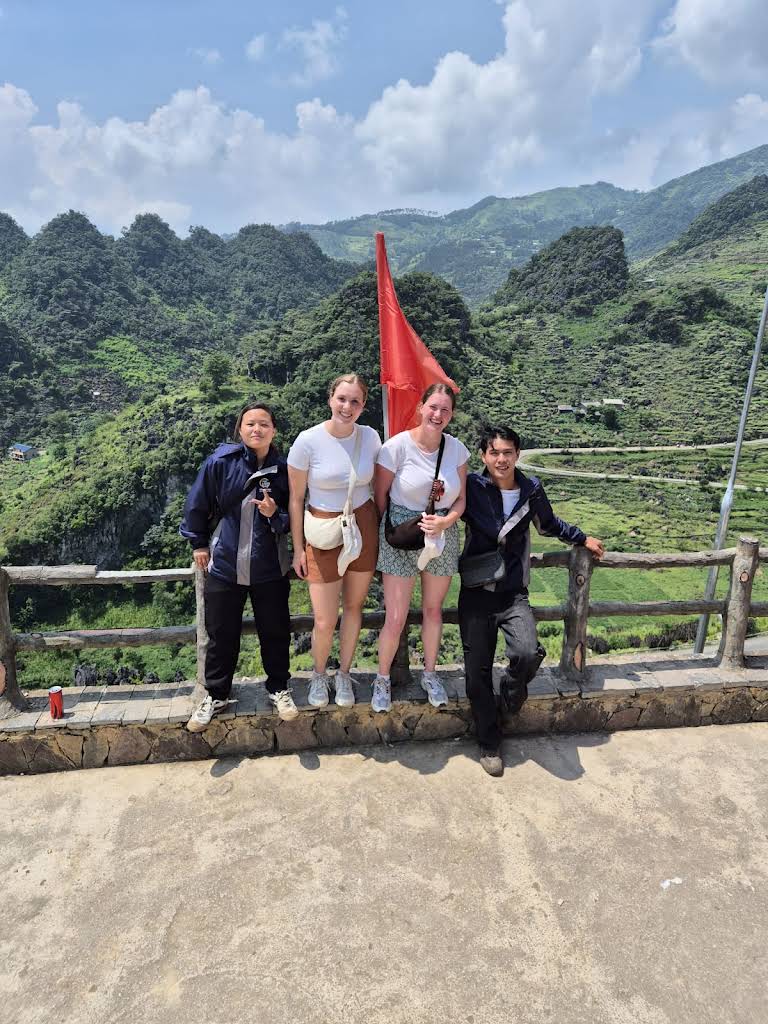
The answer depends on the type of travel you choose and your previous riding experience. The fact that much of the route is paved does not automatically make it suitable for someone who has never ridden a motorbike on mountain roads.
Ha Giang Loop Road Conditions
Beginners may find the steep climbs, downhill sections, tight corners, and passing vehicles more difficult than expected. Riding for several hours can also cause fatigue, which may affect concentration and control.
If you already have experience riding a suitable motorbike and are comfortable handling hills and sharp turns, you may feel more confident. However, you should still be prepared to adapt to changing road conditions.
For travelers without suitable riding experience, an Easy Rider tour is worth considering. An Easy Rider is a local driver who handles the motorbike while you travel as a passenger. This allows you to enjoy the scenery without needing to manage the mountain roads yourself.
Read our guide to self-riding vs. Easy Rider on the Ha Giang Loop to compare the two options.
General travel articles can explain what the roads are usually like, but they cannot guarantee the condition of every section on your departure date. Ask your tour operator or local accommodation about recent rain, construction, landslides, and any recommended route changes.
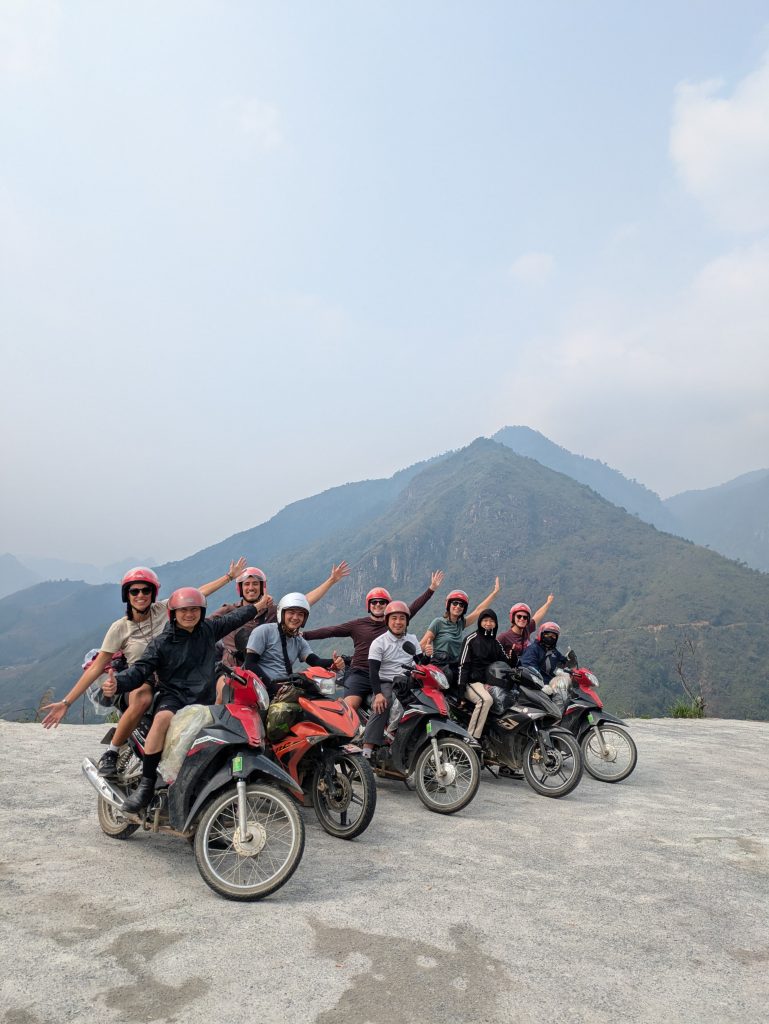
Ha Giang Loop Road Conditions
If you are traveling independently, check reliable local updates before setting out and be prepared to change your plan when necessary.
Wear a properly fitted helmet and clothing that protects you from wind, rain, and minor road debris. Bring a rain jacket and layers for cooler conditions at higher elevations. Gloves and sturdy footwear can also make a long day on the road more comfortable.
Do not rely on a thin raincoat or ordinary clothing to provide adequate protection if you fall.
Before departure, check the tyres, brakes, lights, mirrors, and horn. Make sure the motorbike is suitable for your ability and the planned route. If something feels wrong, ask for it to be inspected before continuing.
For more information about choosing a bike and understanding rental expenses, see our guide to Ha Giang Loop Motorbike Rental Price.
Mountain roads take longer to travel than many visitors expect. A relatively short distance may involve repeated bends, steep climbs, slow traffic, weather delays, and several scenic stops.
Avoid planning too many destinations into a single day. Leave enough time to take breaks, eat, refuel, and reach your accommodation before dark. If the weather or road surface deteriorates, be willing to adjust the itinerary.
Our Ha Giang Loop Route Planner can help you understand how to organize your trip around available time and preferred stops.
Maintain a speed that allows you to stop safely within the distance you can see. Keep a safe gap behind other motorbikes, avoid sudden braking on loose surfaces, and never cut corners into the opposite lane.
Be especially cautious around trucks, buses, livestock, and vehicles approaching from blind bends. If you are traveling in a group, do not feel pressured to match another rider’s speed.
There is no need to continue riding through heavy rain, dense fog, or a section that appears unsafe just to follow the original schedule. Stop at a safe location, contact your guide or tour operator if necessary, and wait for updated advice.
A delayed arrival is far preferable to taking unnecessary risks on unfamiliar roads.
The number of days you choose affects how much time you have to handle difficult road conditions and unexpected delays. A shorter trip may involve longer riding days, leaving less flexibility if rain or roadworks slow the group down.
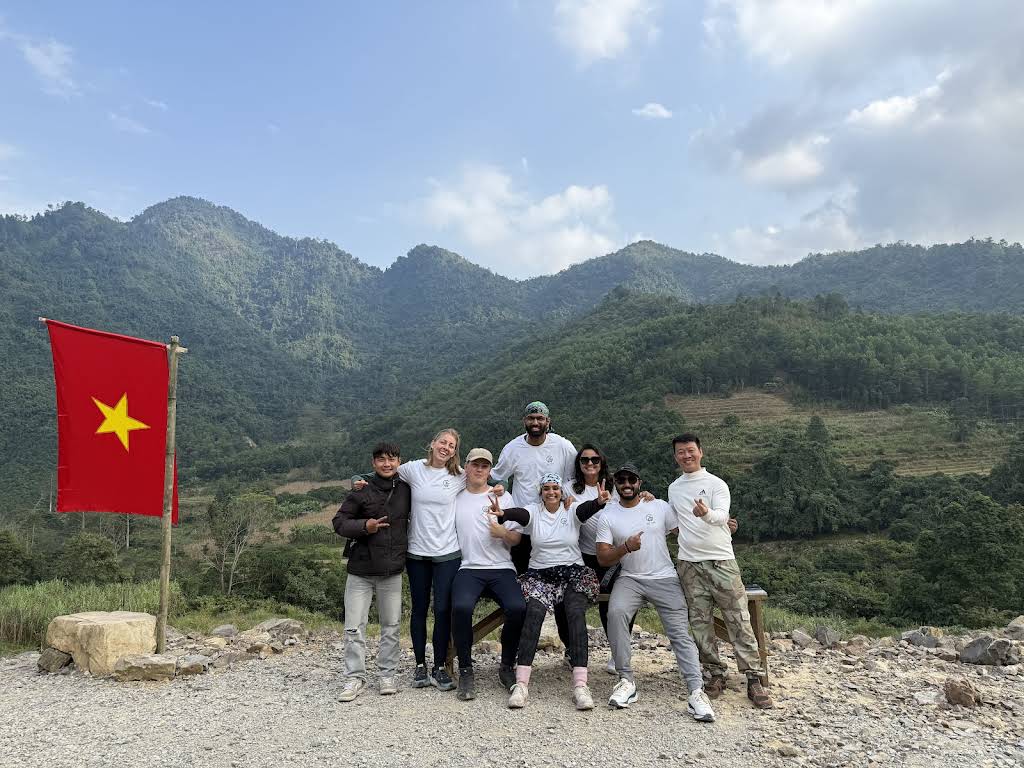
Ha Giang Loop Road Conditions
Many travelers choose three or four days for the classic loop. If you prefer a more relaxed pace, want more time for viewpoints, or are interested in continuing toward Cao Bang, consider a longer itinerary.
Tiem Tours offers several options, including the 3 Days 2 Nights Ha Giang Loop tour, the 4 Days 3 Nights tour, and the 5 Days 4 Nights Ha Giang Loop and Cao Bang tour.
The right option depends on your interests, travel dates, riding experience, and preferred pace. More days can give you greater flexibility, but no itinerary can guarantee perfect road or weather conditions.
A guided tour can be useful when you are unfamiliar with the area or do not want to manage route planning and changing road conditions by yourself. Local drivers may be familiar with the roads, know where to stop, and be better positioned to respond to unexpected changes.
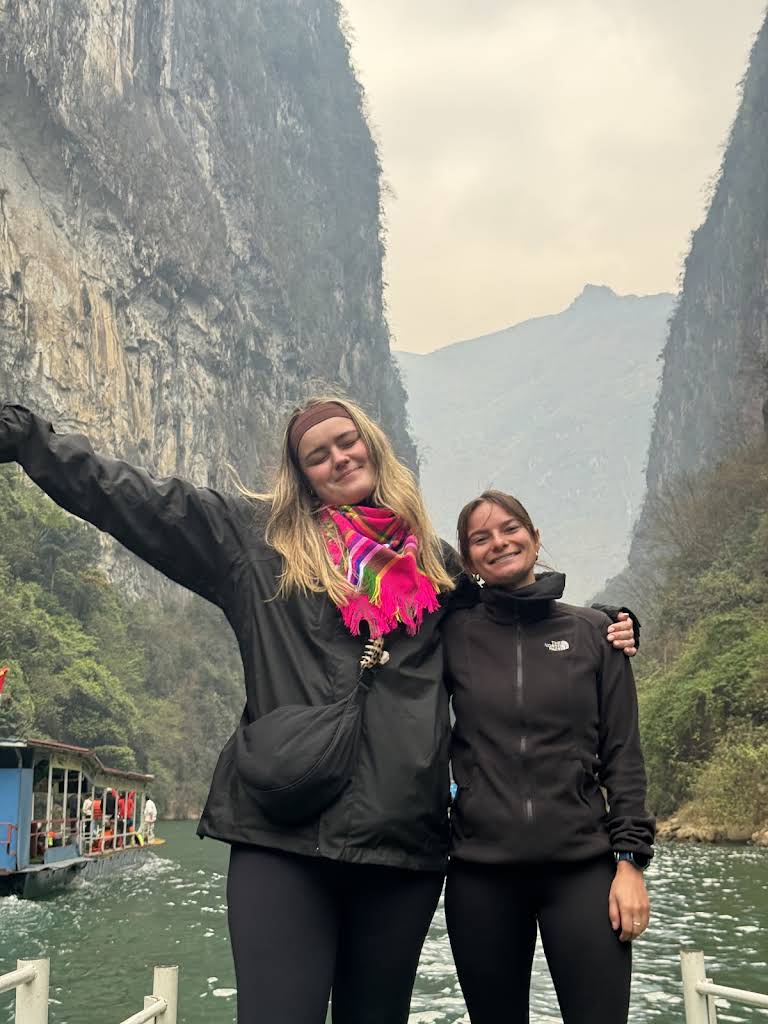
Ha Giang Loop Road Conditions
With Tiem Tours, you can explore the available tour options on the website. Choose a riding arrangement that suits your experience rather than assuming that every traveler needs to drive their own motorbike.
A guided tour does not eliminate every risk, and road conditions can still affect the schedule. However, having local support can make it easier to respond when a planned section becomes difficult or needs to be avoided.
Much of the main route is paved, but travelers may encounter uneven surfaces, loose gravel, roadworks, and rougher smaller roads. Conditions can change after heavy rain or maintenance work.
Rain can make the roads slippery and may bring mud, stones, or landslides onto certain sections. Check local conditions before departure and be prepared to change your route if necessary.
Ma Pi Leng Pass has narrow, winding sections and limited visibility around some bends. Riders should travel slowly, stay in their lane, and use safe viewpoints for stops.
Beginners may find the mountain roads challenging, particularly if they have little experience with steep hills and sharp turns. Travelers who are not confident riding should consider an Easy Rider tour.
Ha Giang Loop Road Conditions vary from relatively smooth paved roads to narrow mountain passes and rougher sections affected by weather or maintenance. Most travelers should expect a mixture of riding conditions rather than one consistent surface throughout the entire journey.
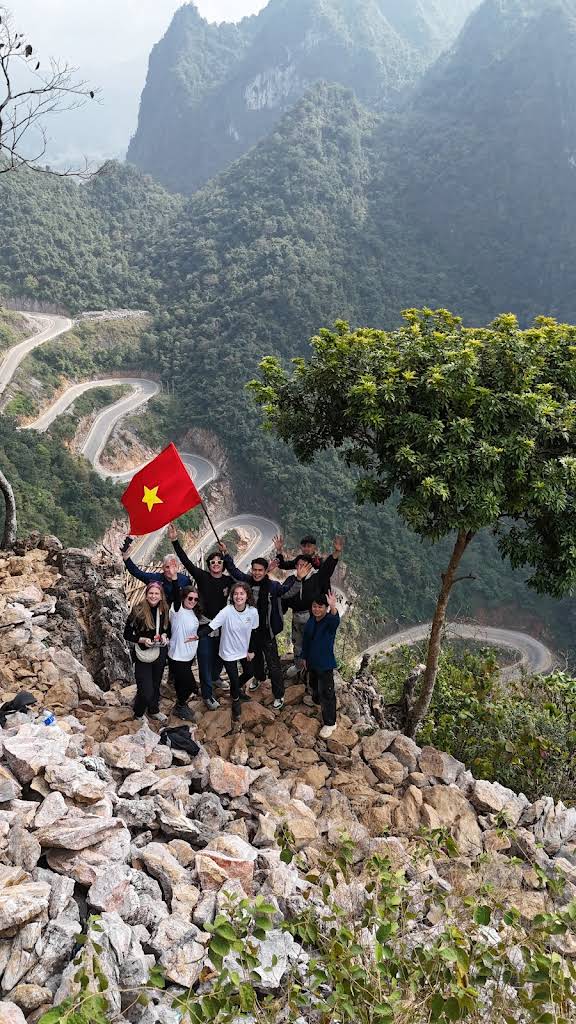
Ha Giang Loop Road Conditions
The best preparation is to understand the route, check local updates close to your departure date, choose a suitable riding option, and leave enough time to travel without rushing. Pay attention to the weather, remain flexible, and treat every unfamiliar bend with care.
The roads are part of what makes the Ha Giang Loop memorable, but you do not need to rush through them. With realistic planning and the right travel arrangement, you can spend more time appreciating the mountains, villages, and landscapes along the way.
Ha Giang Loop experience
09/10/2026
Ha Giang Loop experience
09/10/2026

Ha Giang Loop experience
08/10/2026
Ha Giang Loop experience
08/10/2026

Ha Giang Loop experience
08/10/2026

Ha Giang Loop experience
07/10/2026
Ha Giang Loop experience
07/10/2026

Ha Giang Loop experience
06/10/2026

Ha Giang Loop experience
06/10/2026

Ha Giang Loop experience
06/10/2026