Ha Giang Loop experience
15/10/2026
Ha Giang Loop Road Conditions: What Travelers Should Expect
Share


Summary of content
The Ha Giang Loop is one of the most memorable road trips in northern Vietnam, taking travelers through limestone mountains, winding passes, remote villages, and spectacular valleys. However, the journey also involves mountain roads, sharp turns, changing weather, and long periods of travel. Knowing the right Ha Giang Loop Safety Tips before you leave can help you prepare for these challenges and enjoy the experience with greater confidence.
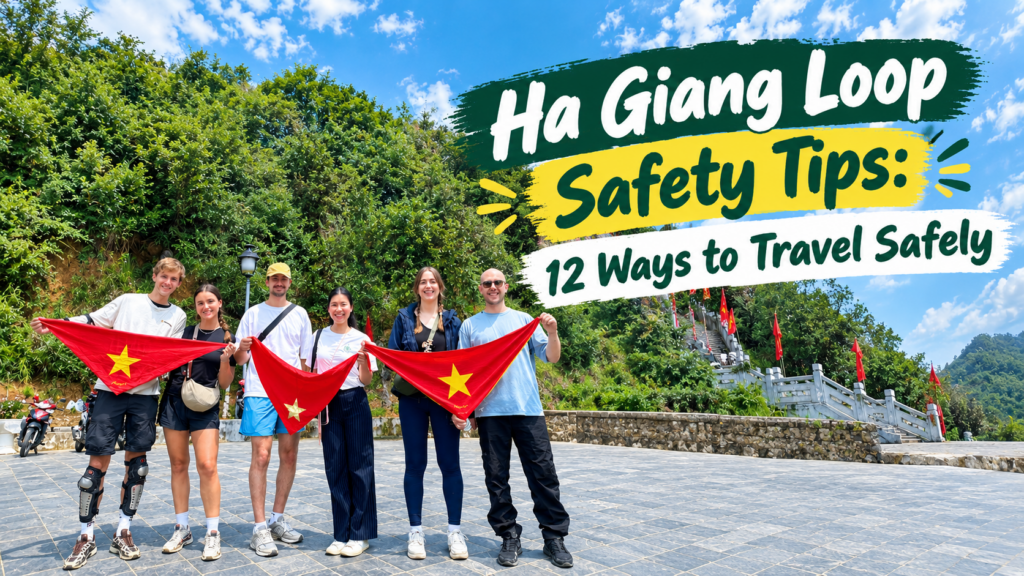
Ha Giang Loop Safety Tips
Whether you plan to ride your own motorbike, travel as a passenger, or join a guided tour, safety should be part of your planning from the beginning. The best approach is not to rush through the route but to choose a travel option that suits your experience, prepare properly, and remain flexible when conditions change.
If this is your first visit, our Ha Giang Loop Complete Guide provides a broader introduction to the route and the different ways to explore it.
One of the most important safety decisions is whether you should ride a motorbike yourself or travel with an experienced local driver.
Ha Giang Loop Safety Tips
Self-riding gives you more independence, but it also requires the ability to control a motorbike on steep climbs, sharp bends, uneven surfaces, and unfamiliar mountain roads. Being able to ride around a city does not necessarily mean you are ready for the Ha Giang Loop.
If you have limited riding experience, consider an Easy Rider tour. With this option, a local driver handles the motorbike while you enjoy the journey as a passenger. You can still experience the scenery and local culture without taking responsibility for riding through the mountain passes.
Before choosing, compare self-riding vs. Easy Rider on the Ha Giang Loop and be honest about your abilities.
If you intend to ride independently, check the applicable Vietnamese licensing requirements before your trip. Make sure your driving licence and any required international driving permit are valid for the motorcycle category you intend to ride.
Ha Giang Loop Safety Tips
Do not assume that a standard car licence or an international permit without the appropriate motorcycle authorization is sufficient. Requirements can depend on your documents and circumstances, so verify them with an authoritative source before travelling.
You should also check the conditions of your travel insurance. Some policies exclude motorcycle accidents if the rider does not hold the required licence or fails to meet other policy conditions.
Sorting out these details before arriving in Ha Giang is much easier than discovering a problem on the day your tour begins.
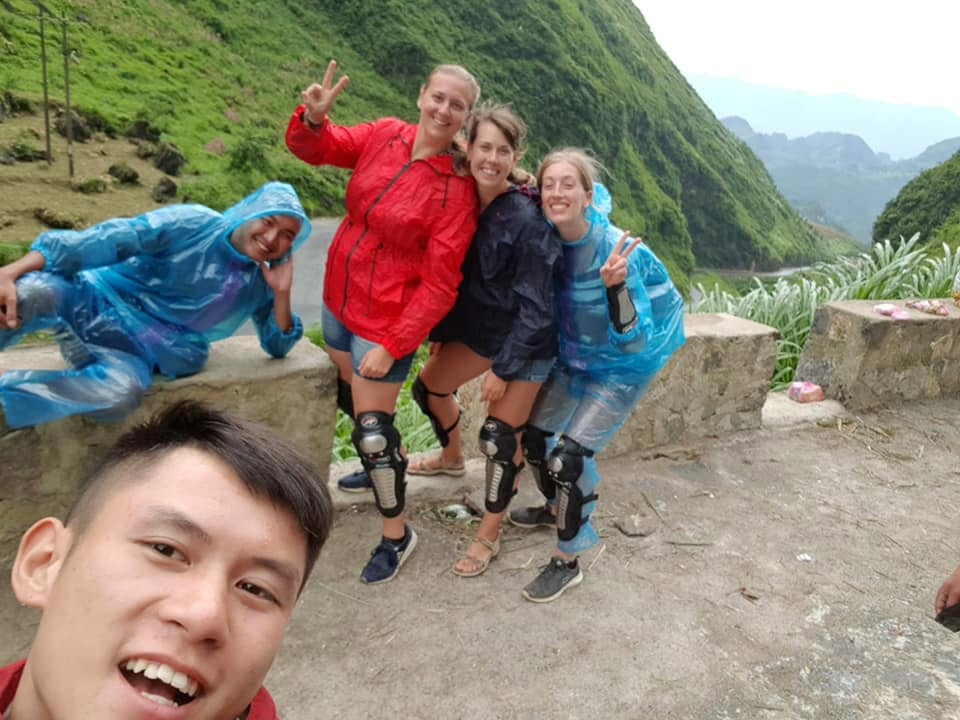
A helmet is essential, even if you are only travelling a short distance between stops. Choose one that fits securely and fastens properly. A loose helmet may not provide adequate protection in a crash.
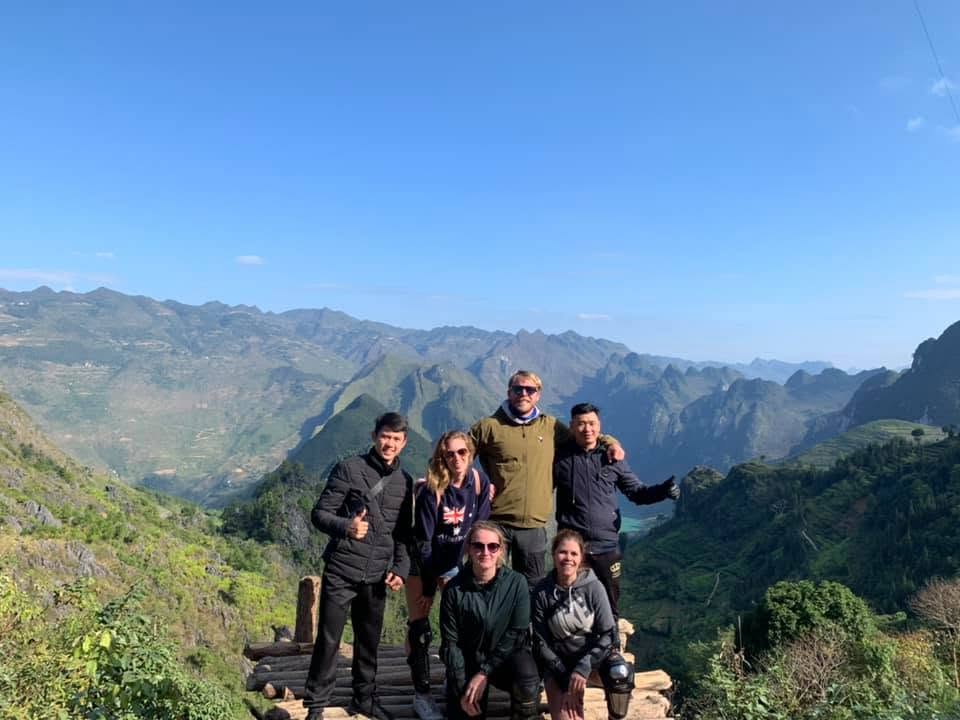
Wear clothing that covers your arms and legs, along with sturdy footwear that protects your feet and ankles. Gloves can improve comfort and grip, while a rain jacket helps you stay warm and dry when mountain weather changes.
Ha Giang Loop Safety Tips
Avoid riding in sandals, shorts, or clothing that leaves your skin unnecessarily exposed. The scenery may look inviting, but protective equipment matters more than looking ready for photographs.
If you join a tour, ask what protective gear is provided and whether it fits you properly before setting off.
The Ha Giang Loop includes many winding roads where visibility can be limited by cliffs, rock faces, and bends. A corner that appears empty may hide an approaching bus, truck, or motorbike.
Ha Giang Loop Safety Tips
Reduce your speed before entering a bend rather than braking suddenly in the middle of it. Keep to your side of the road, avoid overtaking when visibility is limited, and never cut across the centre line to take a corner more quickly.
Remember that the safest speed depends on the road surface, visibility, traffic, and your ability to react. Even if other riders move faster, you should travel at a pace that feels controlled and manageable.
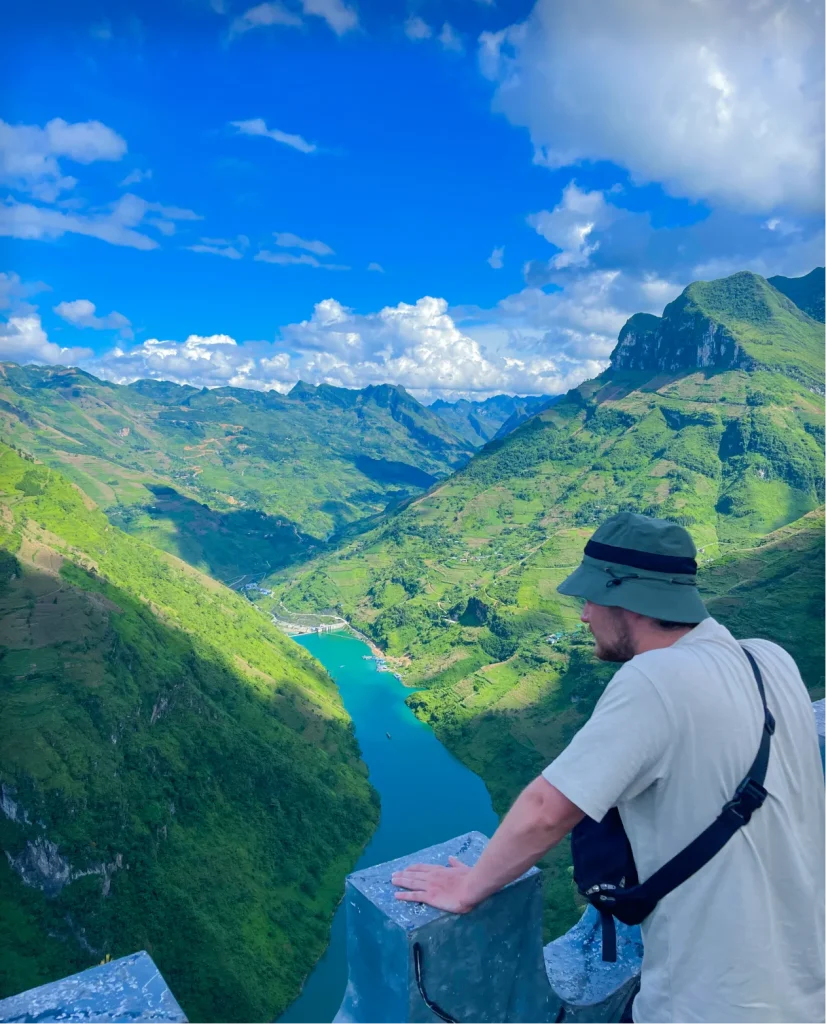
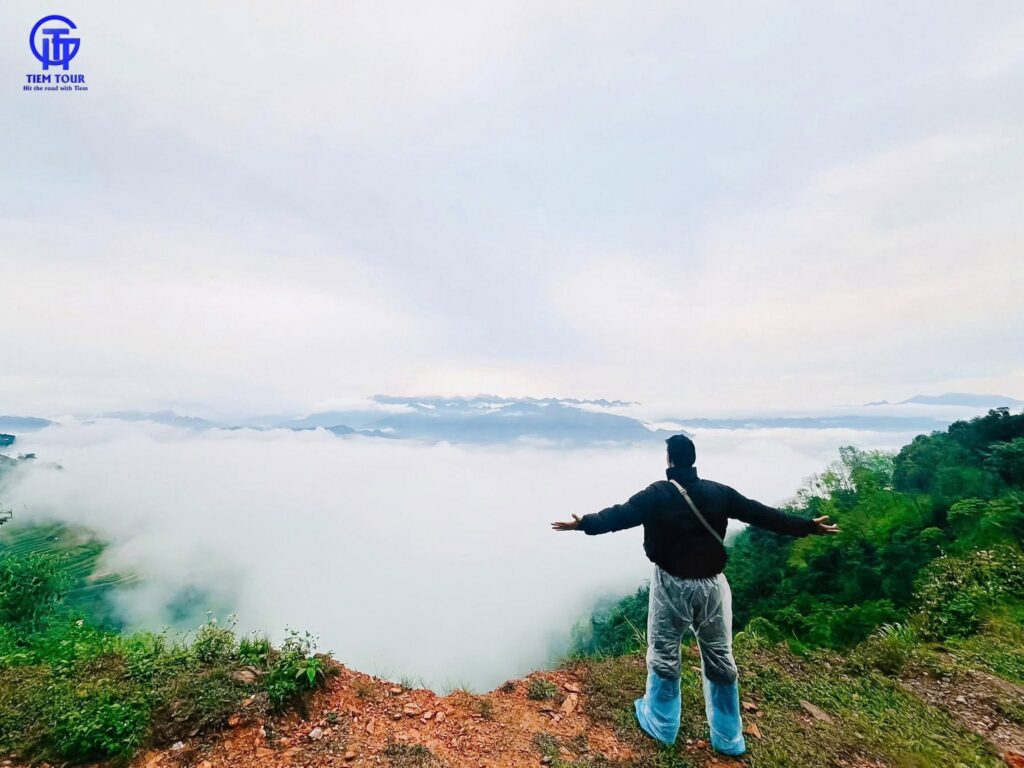
Mountain weather can change quickly. Rain may make the road slippery, while fog can reduce visibility around exposed passes and higher elevations.
Ha Giang Loop Safety Tips
Check the forecast before each riding day, and ask your guide or accommodation about recent local conditions. A general forecast is useful, but it cannot tell you exactly what is happening on every section of the route.
If heavy rain or dense fog makes riding difficult, consider delaying departure or stopping somewhere safe until conditions improve. Do not feel pressured to continue just because your group has a planned arrival time.
For more detail about the road surface, changing weather, and mountain passes, read our guide to Ha Giang Loop Road Conditions.
Local meals and social evenings are part of the Ha Giang Loop experience, but drinking alcohol and riding a motorbike do not mix.
Alcohol can affect your reaction time, judgment, balance, and ability to respond to unexpected situations. Mountain roads require concentration even when the weather is good and the surface is dry.
If you plan to drink, do not ride afterwards. Arrange your travel so that alcohol and motorbike riding never overlap, and do not assume that a small amount of alcohol makes riding safe.
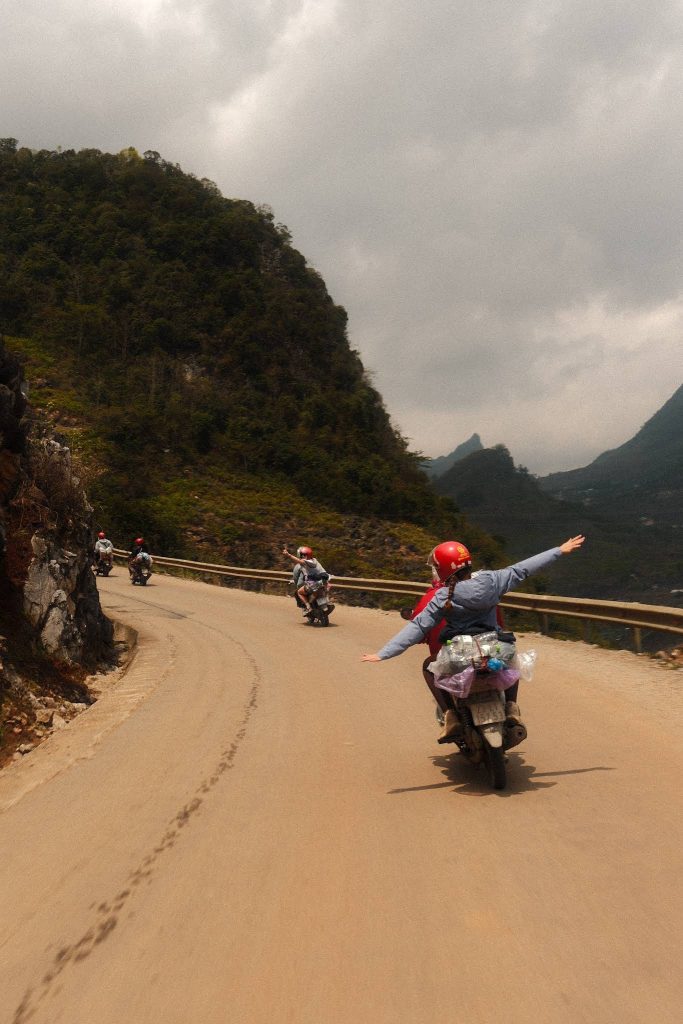
If you are travelling in a group, leave enough space between your motorbike and the vehicle ahead. Following too closely gives you less time to react if the rider in front slows down, encounters an obstacle, or brakes unexpectedly.
Avoid sudden acceleration just to catch up after a corner. Maintain a steady pace and communicate with your guide if the group is moving too quickly for your comfort.
Ha Giang Loop Safety Tips
You should also avoid overtaking other members of the group unless it is safe and permitted. On narrow mountain roads, keeping a sensible distance is more important than maintaining a tight formation.
If you are uncomfortable with the pace, tell your guide rather than trying to keep up at an unsafe speed.
A day on the Ha Giang Loop can involve several hours on the road. Even passengers can feel tired from sitting for long periods, while riders need to maintain concentration throughout the journey.
Take breaks to drink water, stretch, eat, and rest your eyes. If you notice that your concentration is dropping, your reactions are slower, or you are struggling to stay comfortable on the bike, do not ignore these signs.
Plan a realistic itinerary instead of trying to fit every viewpoint and attraction into one day. A longer journey with enough rest stops is often a better experience than a rushed schedule.
If you are still planning your trip, our Ha Giang Loop Route Planner can help you organize your route around your available time.
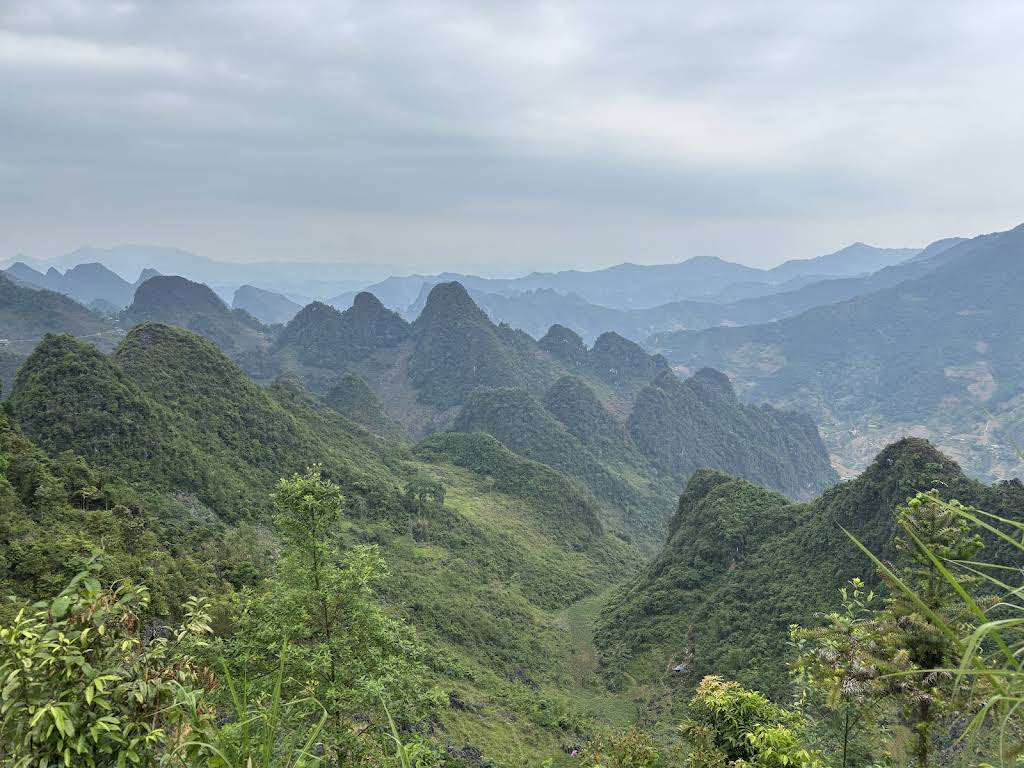
The Ha Giang Loop offers countless opportunities to photograph mountain valleys, winding roads, and limestone peaks. However, not every beautiful viewpoint is a safe place to stop.
Ha Giang Loop Safety Tips
Never stop suddenly in the middle of the road or stand in a traffic lane to take a photograph. Avoid parking on blind corners, narrow sections, or places where another vehicle may have difficulty passing.
Use designated viewpoints or wide, clearly safe stopping areas. When leaving a stop, check the road carefully before moving back into traffic.
You do not need to photograph every view. Sometimes the safest choice is simply to enjoy the scenery and continue riding.
If you are riding yourself, inspect the motorcycle before starting the journey. Check the tyres for visible damage, test the brakes, and make sure the lights, mirrors, and horn work properly.
Ask the rental provider or tour operator to explain the controls if you are unfamiliar with the bike. Make sure the motorcycle is appropriate for your experience and that you feel comfortable controlling it before entering the mountain roads.
If the brakes feel weak, the tyres appear damaged, or the bike handles strangely, do not continue until the issue has been checked. Small mechanical problems can become more serious when riding downhill or negotiating sharp corners.
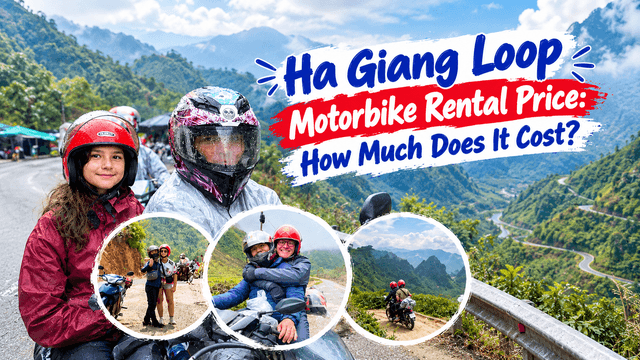
For help comparing different bike options and rental expenses, see Ha Giang Loop Motorbike Rental Price.
A small day bag can make your journey more comfortable and help you prepare for unexpected delays. Carry drinking water, sunscreen, a rain jacket, and an extra layer of clothing for cooler conditions at higher elevations.
Keep your phone charged and bring a power bank if you have one. Save your accommodation details and your tour operator’s contact information so you can reach someone if your plans change.
Ha Giang Loop Safety Tips
It is also sensible to carry basic personal medication and any essential items you need during the day. Do not rely entirely on finding a shop whenever you need something, especially on more remote stretches of the route.
Pack light enough that your belongings can be secured properly without interfering with the motorcycle’s balance or your movement.
Local knowledge can be especially useful when weather, roadworks, or other unexpected conditions affect the route. An experienced guide may know about difficult sections, suitable stopping places, and alternative arrangements.
Listen to instructions about speed, road positioning, and where to stop. If your guide advises delaying departure or avoiding a particular section, ask for an explanation and follow appropriate safety guidance.
A tour itinerary is a plan, not a reason to take unnecessary risks. If a road becomes unsafe, changing the schedule is a sensible decision.
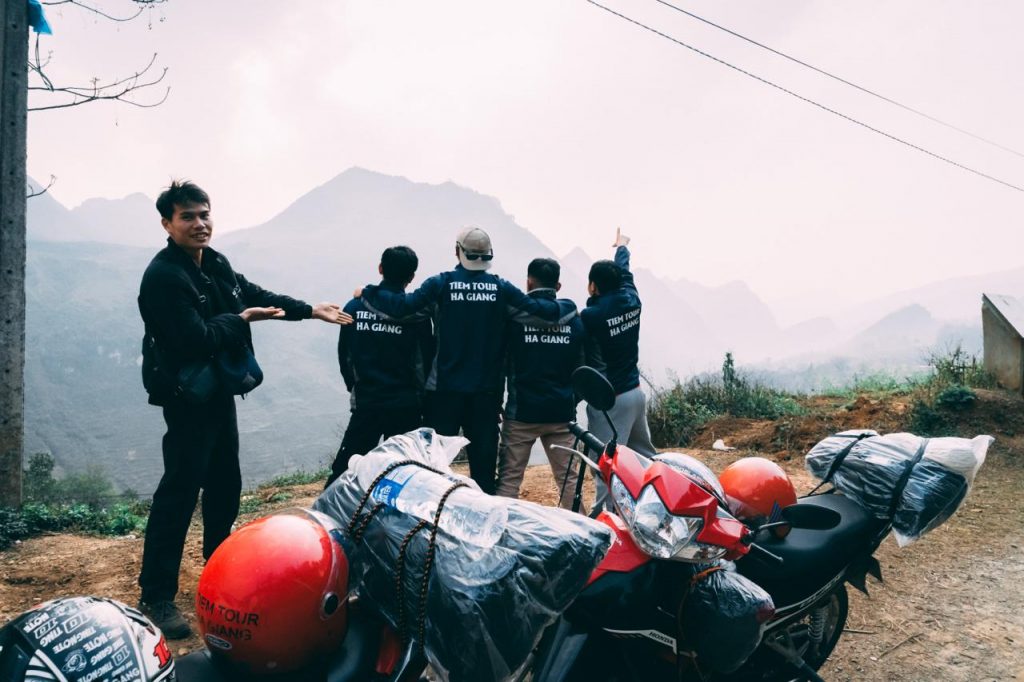
If you are comparing guided options, you can explore the available tours through the Tiem Tours. Ask about the riding arrangement, protective equipment, daily schedule, and how the team responds to changing road conditions before booking.
The Ha Giang Loop can be an enjoyable trip for first-time visitors, but the right choice depends on your riding experience, travel arrangements, and the conditions during your visit.
Ha Giang Loop Safety Tips
If you have little or no experience riding a motorbike on mountain roads, travelling with an Easy Rider is generally a more suitable option than learning to ride on the Loop itself. You can still enjoy the landscapes, stop at scenic viewpoints, and experience local communities without having to manage the motorbike.
Experienced riders should also avoid becoming overconfident. Familiarity with motorbikes does not remove the challenges of steep roads, blind corners, rain, fog, or unexpected traffic.
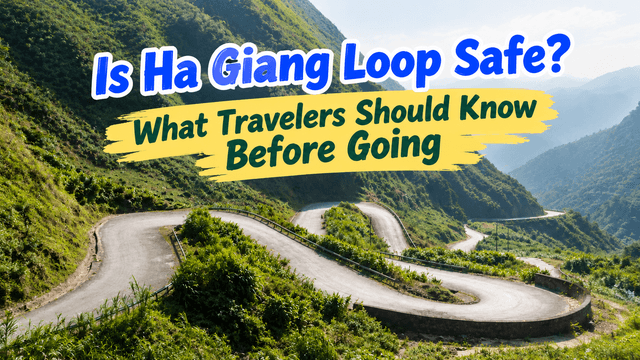
For a more detailed explanation of the risks and preparation involved, read Is Ha Giang Loop Safe?.
Choose a travel option that matches your riding experience. If you are not confident riding on mountain roads, consider travelling with an experienced Easy Rider.
Yes. Wear a properly fitted helmet that is securely fastened throughout the journey. Protective clothing and sturdy footwear are also recommended.
Rain can make mountain roads slippery and reduce visibility. If conditions become difficult, slow down, stop somewhere safe, and follow local advice.
No. Alcohol affects coordination, judgment, and reaction time. Never combine drinking with riding a motorbike.
Many travelers choose three or four days for the classic route. Allow extra time if you prefer a more relaxed pace or want flexibility for weather and road conditions.
An Easy Rider tour is worth considering if you have little experience with mountain roads. A local driver handles the motorbike while you travel as a passenger and enjoy the scenery.
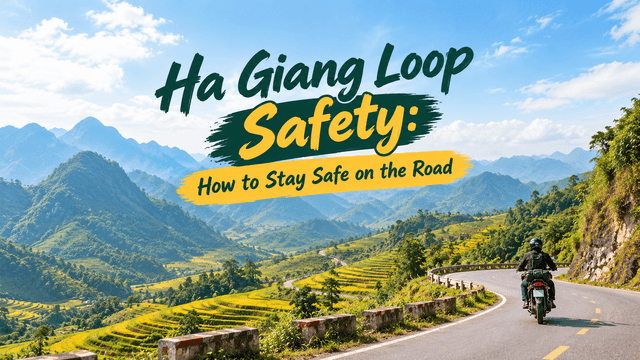
The most useful Ha Giang Loop Safety Tips are simple: choose the right way to travel, wear protective equipment, check local conditions, ride within your ability, and never rush to meet a schedule.

Ha Giang Loop Safety Tips
The journey is about more than reaching the next destination. It is an opportunity to experience northern Vietnam’s mountains, villages, and local culture at a pace that lets you appreciate the surroundings.
Prepare properly, stay flexible, and make decisions based on the conditions in front of you. With a suitable travel arrangement and a responsible approach, you can give yourself a better chance of enjoying the Ha Giang Loop while reducing avoidable risks.
Ha Giang Loop experience
15/10/2026
Ha Giang Loop experience
09/10/2026
Ha Giang Loop experience
09/10/2026
Ha Giang Loop experience
08/10/2026
Ha Giang Loop experience
08/10/2026
Ha Giang Loop experience
08/10/2026

Ha Giang Loop experience
07/10/2026
Ha Giang Loop experience
07/10/2026

Ha Giang Loop experience
06/10/2026

Ha Giang Loop experience
06/10/2026