

Ha Giang Loop experience
23/09/2026
Ha Giang Loop Complete Guide: How to Plan Your Journey from Start to Finish

Share


Summary of content
Planning a Ha Giang Loop Itinerary can feel confusing at first. You see photos of mountain passes, small villages, rivers and winding roads, but it is not always clear how all of these places fit together into an actual trip.

Ha Giang Loop Itinerary
Should you spend three days on the road? Four? More?
Where should you stay each night? How much time should you leave for the mountain roads? And should you try to see as much as possible each day, or slow down and enjoy the journey?
There is no single itinerary that works for everyone. The right plan depends on how much time you have, how you travel, and whether you ride yourself or join an Easy Rider tour.
Still, having a clear Ha Giang Loop Itinerary makes planning much easier. Here is a practical way to understand how the journey can be arranged day by day.
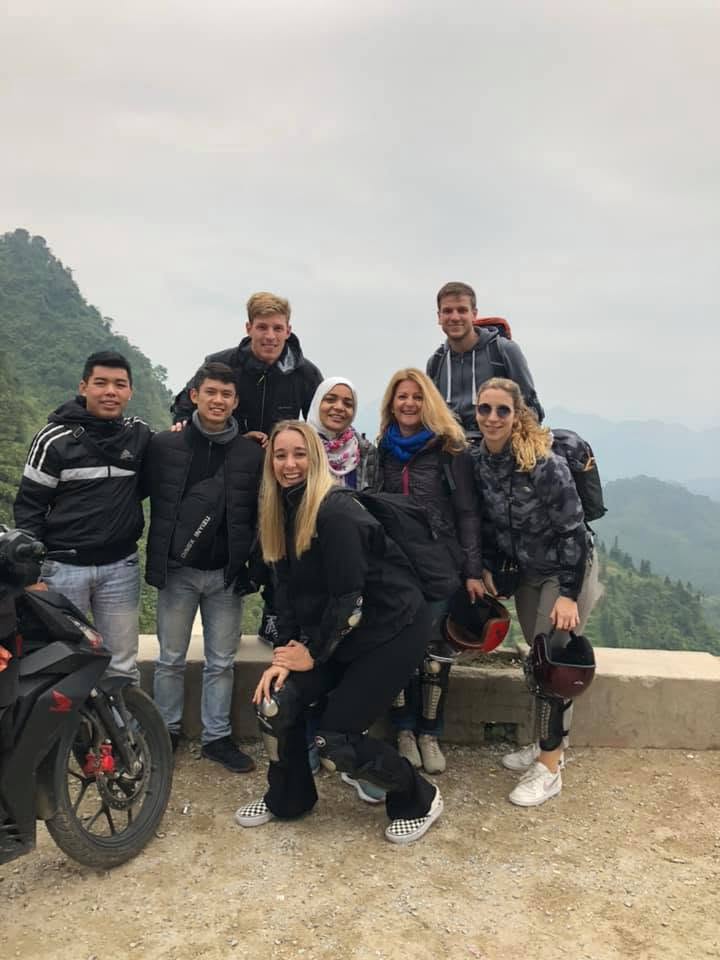
Before planning individual days, decide how much time you can realistically spend on the road.
Ha Giang Loop Itinerary
A shorter trip can cover the main highlights, but the days can feel quite full. A four-day journey gives you more time to enjoy the scenery without constantly watching the clock. If you have five days or more, you can slow the pace further and spend more time in smaller villages and less-visited areas.
For many travelers, 4 days and 3 nights is a comfortable starting point.
You can see a large part of the classic route while still having time for viewpoints, meals, village stops and short breaks along the way.
If you have less time, you may need to accept longer riding days. If you have more time, there is no need to fill every hour with another destination.
The mountains are part of the experience, so sometimes the best part of the day is simply stopping somewhere quiet and looking around.
The first day is when the journey really starts to feel different from ordinary travel in Vietnam.
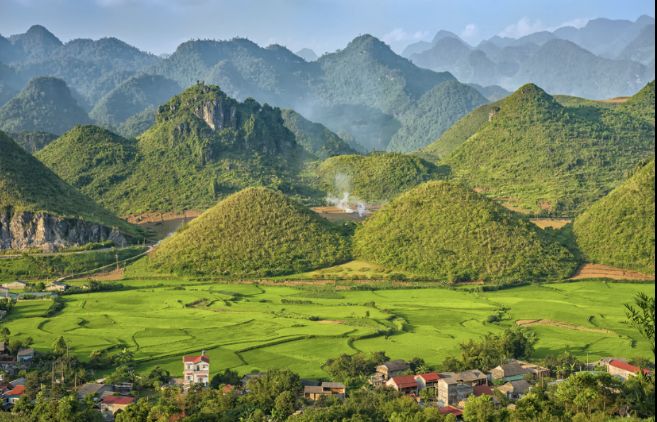
After leaving Ha Giang City, the road gradually moves away from the urban area and into the mountains. The scenery changes quickly, with winding roads, valleys and viewpoints appearing along the way.
Ha Giang Loop Itinerary
One of the most memorable parts of the first day is the approach toward the higher mountain areas.
You will likely make several stops during the day. Some are planned viewpoints, while others happen naturally when the road opens up to an especially beautiful view.
That is one reason not to make your first day too ambitious.
A good Ha Giang Loop Itinerary should leave some space for unexpected stops. You may see a small village, a roadside viewpoint or a section of mountain road that you simply want to photograph.
Eventually, the journey continues toward Yen Minh, where travelers normally spend their first night.
The evening is usually much quieter than the busy streets of larger Vietnamese cities. After a full day on the road, this is a good time to eat, rest and prepare for the next morning.
For many travelers, the second day is one of the most impressive parts of the entire Loop.
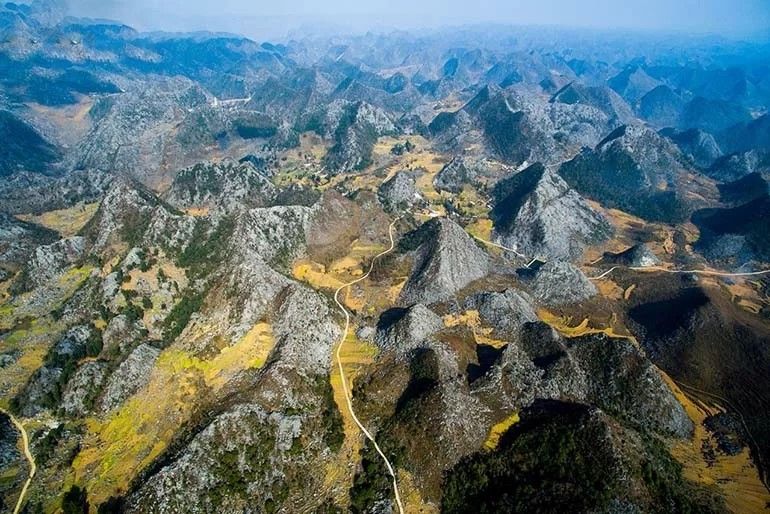
The landscape becomes more dramatic as the road continues through the high mountains. This is where the journey starts to feel less like a normal road trip and more like an adventure through a completely different part of Vietnam.
The route toward Dong Van includes mountain passes, deep valleys and viewpoints where you can see the road winding through the landscape below.
Ha Giang Loop Itinerary
Do not be surprised if this day takes longer than expected.
The distance on a map may not look particularly large, but mountain roads are very different from highways. You will naturally travel more slowly, especially when stopping for photographs or simply taking in the scenery.
This is also a day when you should avoid rushing from one attraction to another.
The road itself is one of the main attractions.
As you approach Dong Van, the landscape becomes increasingly rugged. After arriving, you can spend the evening exploring the town, having dinner and relaxing before another mountain day.
For travelers following a longer Ha Giang Loop Itinerary, Dong Van can also be a useful place to slow down and enjoy the atmosphere rather than immediately thinking about the next destination.
The third day brings another change in scenery.
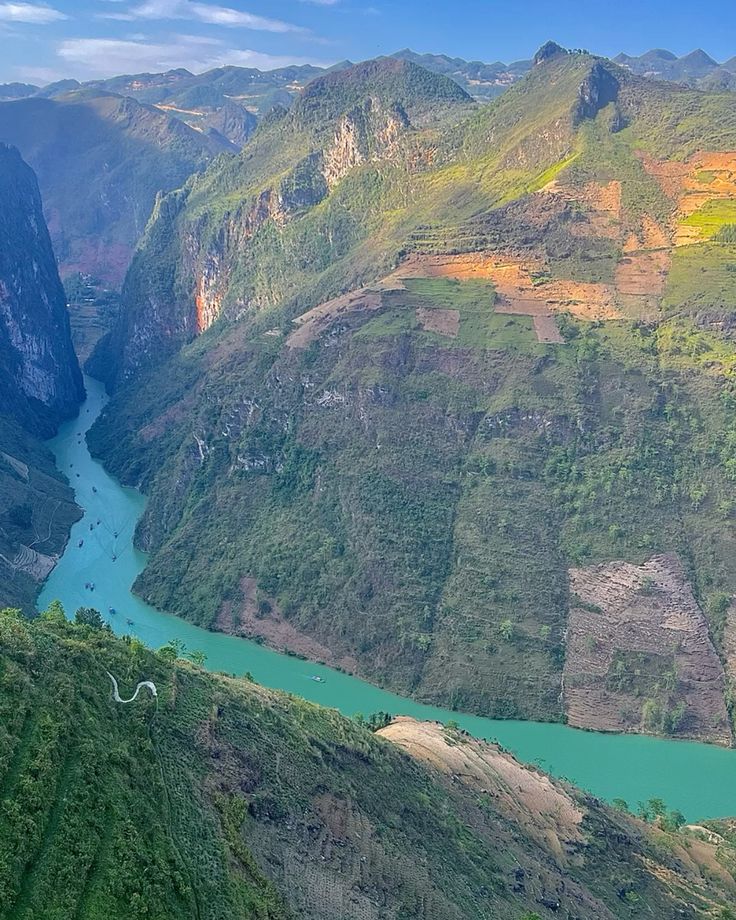
After leaving Dong Van, the route continues through some of the most dramatic mountain landscapes of the journey. You will pass through high mountain roads before gradually moving toward greener valleys and smaller communities.
Ha Giang Loop Itinerary
One of the highlights of this section is the feeling of moving between completely different landscapes within the same day.
The mountains can feel enormous in one section of the road, while another section opens into a peaceful valley surrounded by rice fields and small villages.
This is also a good day to take your time.
If you are traveling with an Easy Rider, you can focus more on the scenery instead of concentrating on every turn in the road. If you are riding yourself, keep your speed comfortable and leave enough time to deal with changing road conditions.
Eventually, the route continues toward Du Gia.
Compared with the larger towns along the Loop, Du Gia has a quieter atmosphere. It is a place where many travelers enjoy slowing down after several days of riding.
A good Ha Giang Loop Itinerary should not treat Du Gia simply as a place to sleep. Give yourself some time to enjoy the surroundings and the slower pace.
The final day brings the journey back toward Ha Giang City.
After several days in the mountains, the last section can feel surprisingly different. You are still surrounded by valleys and hills, but the feeling gradually changes as you move closer to the starting point.
There is no need to make the final day unnecessarily stressful.
Leave enough time for breakfast, photographs and breaks along the way. If you have transportation or another activity scheduled after the Loop, make sure you leave some extra time rather than planning your arrival down to the minute.
Once you reach Ha Giang City, the Loop comes to an end.
You may have traveled hundreds of kilometers, but the distance is not necessarily what you remember most.
It is usually the small moments between destinations: a quiet road in the mountains, a conversation with a local family, a roadside meal or a viewpoint where everyone stops without needing to say much.
Yes, a three-day trip can work if your schedule is tight.
However, a shorter Ha Giang Loop Itinerary usually means longer and more tightly planned riding days.
You will have less flexibility to stop whenever you want, and unexpected delays can affect the rest of the day.
For experienced riders who are comfortable with mountain roads, this may be manageable.
For first-time visitors, especially those unfamiliar with riding in mountainous areas, a slightly longer itinerary can make the experience more comfortable.
The important thing is not simply how many kilometers you can cover.
It is how much time you actually get to enjoy the journey.
For many travelers, four days provides a good balance.
You have enough time to follow a classic route while avoiding the feeling that you need to rush through every stop.
A typical four-day journey can be arranged around:
Day 1: Ha Giang, Yen Minh
Day 2: Yen Minh, Dong Van
Day 3: Dong Van, Du Gia
Day 4: Du Gia, Ha Giang
The exact route can vary depending on road conditions, weather, tour arrangements and where you choose to stop.
That flexibility is important.
The itinerary above should be treated as a framework rather than a strict timetable.
Having more time gives you something that a shorter trip cannot always provide: flexibility.
Instead of trying to fit every major viewpoint into one day, you can spend longer in certain areas.
You can also take more breaks, explore smaller villages or simply enjoy a slower morning before continuing.
A longer Ha Giang Loop Itinerary can be particularly useful for travelers who do not enjoy rushing.
You do not have to create a completely different route. Sometimes adding an extra day simply means giving yourself more breathing room.
That can make a surprisingly big difference on a mountain journey.
The Loop is a road trip, so riding is obviously a major part of the experience. But that does not mean every moment needs to be spent on the bike.

Ha Giang Loop Itinerary
A typical day can include riding, viewpoints, meals, short walks, village visits and breaks along the road.
If you are traveling with an Easy Rider, the experience can feel more relaxed because someone familiar with the route handles the riding while you enjoy the scenery.
If you prefer to control your own journey, self-riding gives you more independence.
You can learn more about the differences between the two options in our guide to Self-Riding vs Easy Rider on the Ha Giang Loop.
The biggest mistake when planning the Loop is trying to put too much into each day.

Ha Giang Loop Itinerary
Mountain roads are not the place to plan your journey down to every hour. Instead, think about the day in three parts. And start with your main direction and destination.
Then leave room for viewpoints, meals and unexpected stops.
Finally, make sure you have enough time to reach your accommodation before it gets too late.
This approach gives you a basic structure without turning the trip into a race.
You can also check the Ha Giang Loop Route before your trip if you want to understand how the main sections connect.
For a visual overview, our Ha Giang Loop Map can also help you understand the route before deciding how many days you need.
You do not need to carry your entire suitcase on the bike. Keep your daily essentials easy to reach.
A light jacket or rain layer is useful because mountain weather can change quickly. Sunglasses, sunscreen and water are also worth keeping close.
For your phone and camera, make sure they are protected from rain and easy to access when you stop.
If you are joining a tour, ask the operator what luggage storage is available before the trip. Many travelers prefer to leave larger luggage behind and carry only a small bag for the Loop.
That makes the riding days much more comfortable.
There is no universal number because the experience depends on your riding ability, weather and road conditions.
A route that looks short on Google Maps can take much longer on mountain roads.
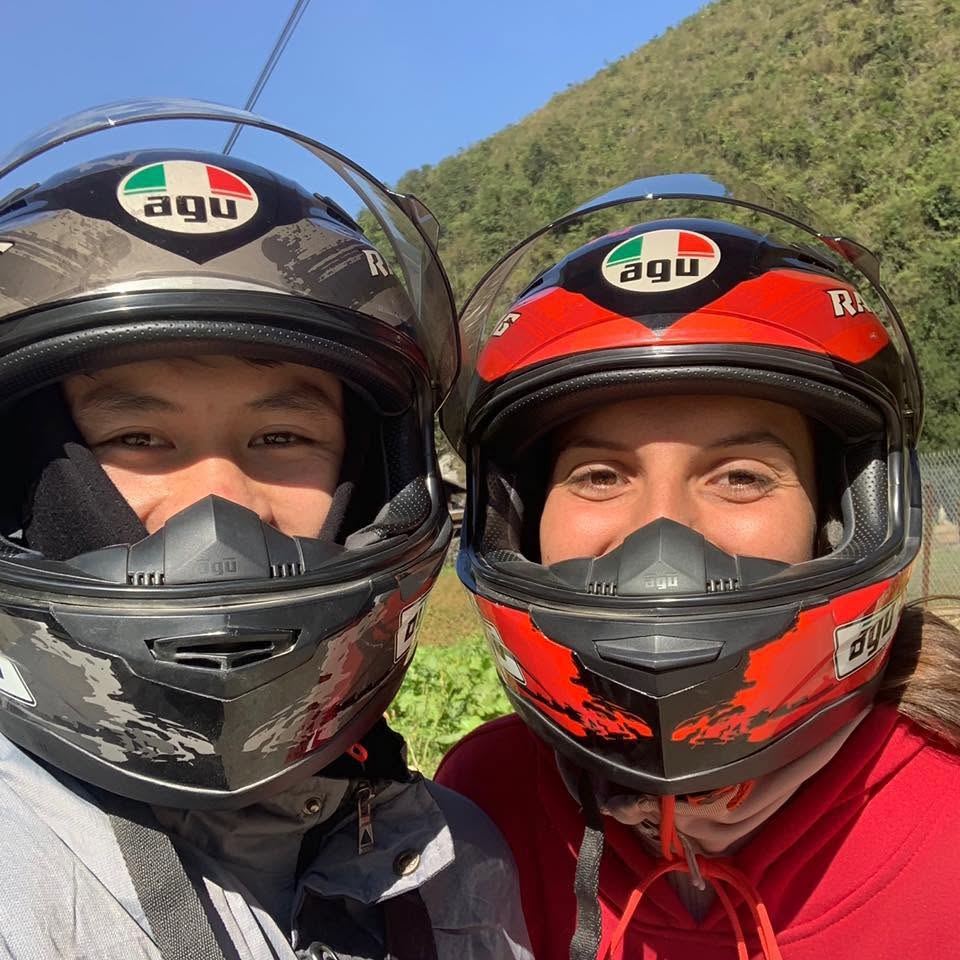
Ha Giang Loop Itinerary
This is why a good Ha Giang Loop Itinerary should focus on the overall experience rather than simply calculating kilometers.
If you start feeling tired, take a break, if the weather changes, slow down. And if you find a beautiful viewpoint, stop for a few minutes.
The schedule can move, your safety and enjoyment should not.
Absolutely!
One of the advantages of traveling through the mountains is that your plan does not need to be completely fixed.
Weather, road conditions, local events and your own energy level can all affect the day.
A flexible itinerary allows you to adjust without feeling like you have failed to follow the plan.
This is especially useful if you are traveling in a small group. Smaller groups can often make decisions more easily when everyone wants to stop somewhere or adjust the pace.
If that style of travel interests you, you can also read about why more travelers are choosing small-group Ha Giang Loop tours.
If you are still unsure how to organize everything, start with four questions:
How many days do I have?
This determines how much time you can realistically spend on the road.
Do I want to ride myself or use an Easy Rider?
This changes the experience and the amount of responsibility you have during the journey.
Where do I want to spend each night?
Your overnight stops create the basic structure of the itinerary.
How much free time do I want each day?
This is often overlooked. A trip with fewer stops can actually feel much more enjoyable than one where you are constantly checking the clock.
Once these four things are clear, the rest becomes much easier.
If you are still arranging transportation to the region, take a look at How to Get to Ha Giang: Best Transport Options for Travelers.
A good Ha Giang Loop Itinerary is not necessarily the one with the most destinations.
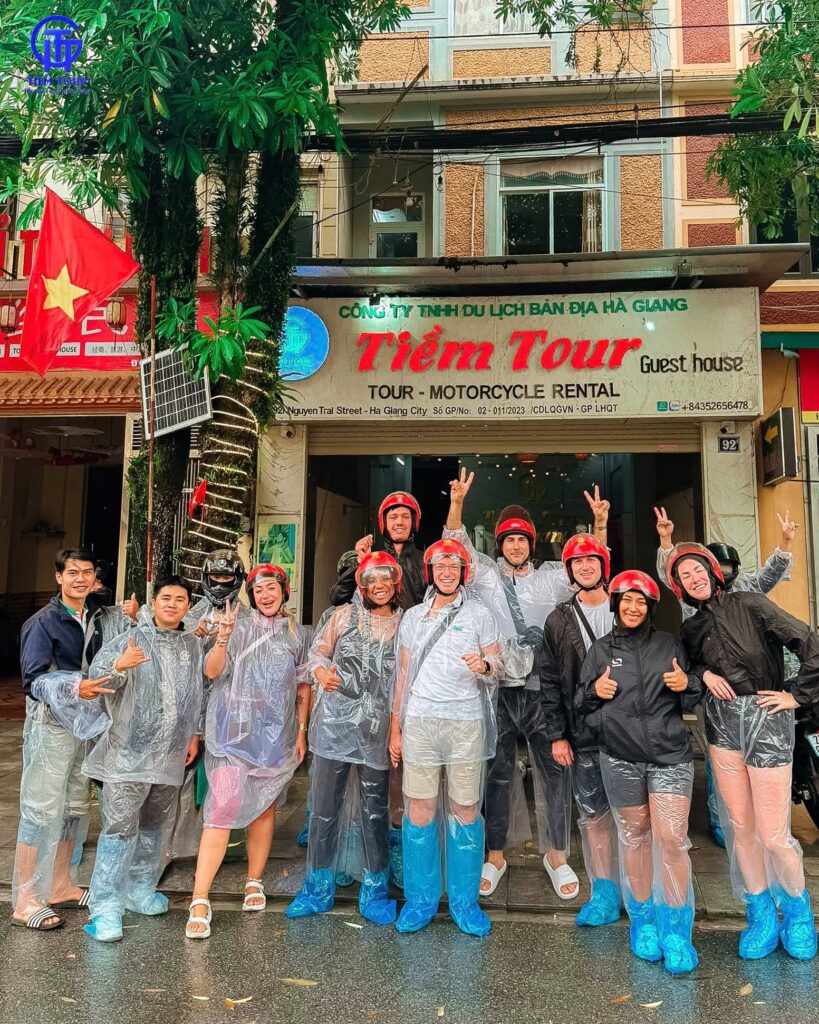
Ha Giang Loop Itinerary
It is the one that gives you enough time to enjoy the road between them.
The Loop is different from a city sightseeing trip where you can move quickly from one attraction to another. Here, the mountains, roads, villages and people are all part of the experience.
A three-day journey can work.
Four days gives you more breathing room.
Five days or longer lets you slow down even further.
Whatever you choose, leave some space in your plan for the unexpected.
Because once you are on the road, you may discover that the moments you remember most were never written into the itinerary in the first place.
If you are ready to start planning your trip, visit Tiem Tours to explore available Ha Giang Loop experiences and choose the journey that fits your travel style.
Ha Giang Loop experience
23/09/2026
Ha Giang Loop experience
22/09/2026

Ha Giang Loop experience
21/09/2026

Ha Giang Loop experience
21/09/2026

Ha Giang Loop experience
16/09/2026

Ha Giang Loop experience
16/09/2026

Ha Giang Loop experience
15/09/2026

Ha Giang Loop experience
15/09/2026

Ha Giang Loop experience
14/09/2026

Ha Giang Loop experience
14/09/2026

