Ha Giang Loop experience
23/10/2026
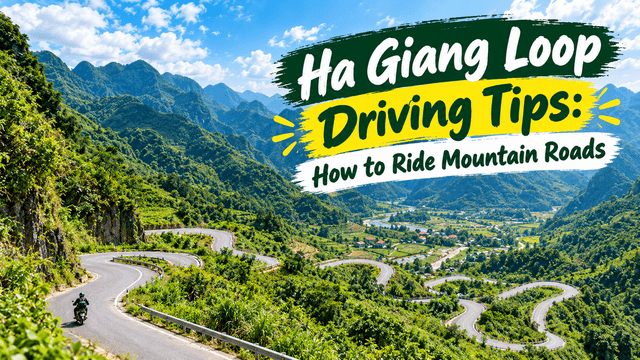
Ha Giang Loop Driving Tips: How to Ride Mountain Roads
Share


Summary of content
The Ha Giang Loop Weather Guide is probably more important than most travelers expect before coming here.
A lot of people imagine the loop as endless sunshine and mountain views.
Then the second day arrives, and suddenly the fog gets so thick you can barely see the road, your gloves are completely soaked, and everyone quietly looks for the warmest corner inside a roadside café.
Ha Giang weather changes fast.
That’s normal here.
A sunny morning can turn into cold mountain fog by afternoon, especially in higher areas near Dong Van or Ma Pi Leng Pass. Roads that felt easy earlier can suddenly become slippery after rain.
And honestly, weather affects the trip more than people think.
Good weather can make the loop feel relaxed and beautiful.
Bad weather can make even short riding days feel exhausting.
This guide covers:
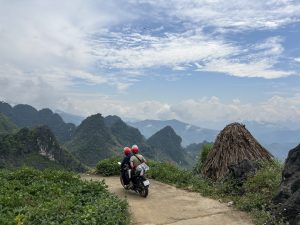
Ha Giang sits in the far north of Vietnam near the Chinese border.
Because of the mountains, the weather here feels very different from cities like: Hanoi, Da Nang, Ho Chi Minh City.
Temperatures are usually: Cooler, windier and less predictable.
The mountains create fast weather changes throughout the day.
You might leave town wearing only a hoodie, then end up buying cheap gloves from a roadside shop a few hours later because your hands are freezing.
That happens to a lot of people.
Travelers planning the loop should prepare for:
For updated local conditions and seasonal riding advice, many travelers check experiences shared by Tiem Tours Ha Giang before starting the trip.
January is one of the coldest months in Ha Giang.
Expect:
Some travelers love the atmosphere during winter.
Other people spend most mornings wondering why the bathroom floor feels colder than the mountain air outside.
Good for dramatic scenery, fewer tourists, and quieter roads.
More challenging for beginner riders and travelers who are sensitive to cold weather.
The weather slowly becomes warmer.
Fog still appears regularly in the mountains, especially early in the morning.
The landscapes also start becoming greener as spring approaches.
Road conditions are usually a little easier compared to January, but mornings can still feel cold while riding.
March is one of the best overall months for the loop.
Conditions are usually more comfortable, with milder temperatures, greener mountains, less rain, and clearer views.
It’s a popular season for photography and small-group trips.
Honestly, March feels balanced.
Not too cold.
Not too crowded.
Not too wet.
April brings comfortable spring weather and generally dry roads.
This is a great month for: Scenic riding, longer itineraries, cultural experiences and photography.
A lot of travelers end up liking April because the mountains still feel calm before summer tourism becomes busier.
Temperatures start getting warmer.
Rice terraces across northern Vietnam begin turning bright green, especially after rainfall.
Afternoon showers become more common, but the landscapes also look more alive during this period.
Some roads can become muddy after rain, especially in smaller village areas.
Rainy season starts becoming more noticeable.
Travelers may experience:
The mountains become incredibly green during June, but riding conditions also become more tiring.
After several hours in wet clothes, most people stop caring about taking perfect photos.
They just want hot food and dry socks.
July is usually one of the wettest months.
Road conditions can become difficult in some mountain areas, especially after heavy rain.
This is not the easiest season for beginner self-riders.
One group near Du Gia had to stop for almost an hour because rain became too strong to continue safely.
Nobody looked very excited about the situation except the local riders casually drinking tea nearby.
That was probably their normal afternoon.
Many travelers choose Easy Rider tours during July because local riders are more familiar with changing mountain conditions.
Teams like Tiem Tours Ha Giang usually monitor weather conditions closely during summer tours.
August weather remains unpredictable.
Some days feel sunny and beautiful.
Other days feel like the mountains are disappearing completely into clouds.
Flexibility becomes important during this season.
Plans sometimes change because of weather conditions, and honestly, that’s just part of traveling in Ha Giang during summer.
September is one of the most beautiful months in Ha Giang.
Travelers love September because of cooler temperatures, clearer skies, better visibility and golden rice terraces are beginning to appear.
This also marks the beginning of peak travel season.
Road conditions are usually easier compared to the summer months.
October is often considered the best overall month for the Ha Giang Loop.
Expect:
This is also one of the busiest tourism months.
Some famous viewpoints can feel crowded during peak hours, especially near Ma Pi Leng Pass.
That’s one reason smaller tours through Tiem Tours Ha Giang have become more popular with travelers wanting a quieter experience.
Cool weather and dry conditions usually continue through November.
The mountains begin feeling colder again, especially during evenings and early mornings.
Still an excellent month for motorbike riding, mountain views, photography.
Winter weather returns.
Travelers should prepare for:
By the second or third cold day, people usually start wearing every layer they packed at the same time.
Still, winter creates a quieter atmosphere compared to peak season.
Some travelers actually prefer that.
Rainy season usually lasts from: June to August.
During this time:
Landslides sometimes happen in remote areas after heavy rain.
Travelers should ride carefully and avoid speeding, especially on wet mountain roads.
For inexperienced riders, Easy Rider tours often feel significantly safer during rainy months.
The coldest months are usually: December, January, February.
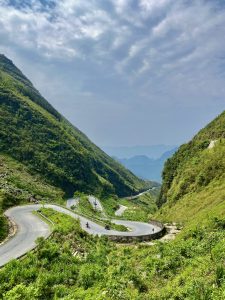
Temperatures in higher mountain areas sometimes drop below 10°C (50°F).
And honestly, it feels colder on a motorbike than most travelers expect.
Warm clothing becomes essential, especially during: Early morning rides, foggy conditions and longer mountain routes.
For the safest and most comfortable riding conditions, the best months are usually: March, April, September, October, November.
These months normally provide clearer visibility, dess rain, cooler temperatures and safer roads.
This is also why many small-group tours operate most actively during these periods.
Travelers wanting a slower and less stressful experience often choose local Easy Rider teams like Tiem Tours Ha Giang during peak riding season.
Bring:
Bring:
Bring:
Mountain temperatures feel much colder while riding for long hours.
The weather on the Ha Giang Loop is part of what makes the trip memorable.
Some travelers end up loving: Golden rice terraces in autumn, bright green summer mountains, foggy winter passes, or quiet spring mornings.
Every season feels different.
And honestly, even the uncomfortable moments usually become stories people laugh about later.
Wet gloves.
Cold mornings.
Fog so thick nobody in the group could see the next corner properly.
Those moments become part of the experience too.
If you want a slower and more personal journey through the mountains, smaller groups like Tiem Tours Ha Giang are worth considering.
Especially for travelers who prefer local experiences over loud backpacker party tours.
Ha Giang Loop experience
23/10/2026
Ha Giang Loop experience
21/10/2026

Ha Giang Loop experience
15/10/2026
Ha Giang Loop experience
09/10/2026

Ha Giang Loop experience
09/10/2026

Ha Giang Loop experience
08/10/2026
Ha Giang Loop experience
08/10/2026

Ha Giang Loop experience
08/10/2026

Ha Giang Loop experience
07/10/2026
Ha Giang Loop experience
07/10/2026