Ha Giang Loop experience
23/10/2026
Ha Giang Loop Driving Tips: How to Ride Mountain Roads
Share


Summary of content
Ha Giang Loop Weather Safety is an important part of planning a motorbike journey through northern Vietnam. The region is famous for its dramatic limestone mountains, winding roads, and spectacular viewpoints, but mountain weather can change quickly. A sunny morning may turn into a foggy afternoon, while heavy rain can make roads slippery and reduce visibility.
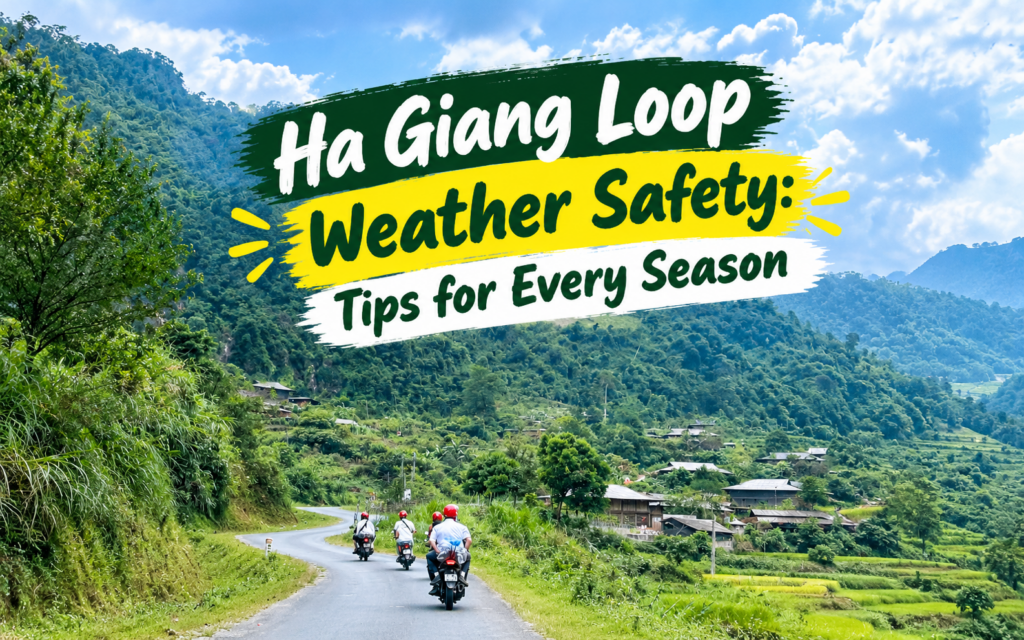
Ha Giang Loop Weather Safety
Weather affects more than your comfort. It can influence how long each section takes, whether certain viewpoints are worth visiting, and whether it is safe to continue riding. Preparing for different conditions helps you make better decisions and enjoy the journey without feeling pressured to follow a fixed schedule.
Whether you plan to ride independently or travel with a local driver, understanding the relationship between weather and road conditions can make a real difference. This guide explains how to prepare for rain, fog, cold temperatures, and sudden weather changes on the Ha Giang Loop.
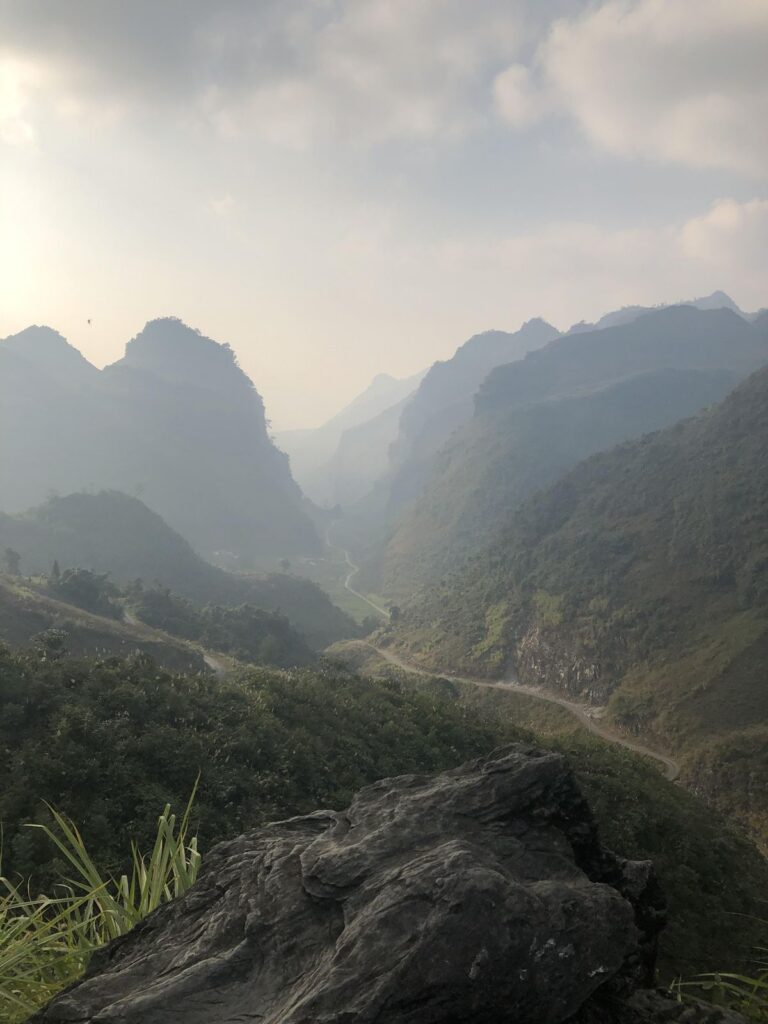
The Ha Giang Loop passes through mountainous terrain where elevation, wind, and local conditions can affect the weather from one area to another. Conditions in Ha Giang City may be different from those on higher mountain passes or in valleys along the route.
Ha Giang Loop Weather Safety
Rain can reduce tyre grip and carry mud or loose stones onto the road. Fog can make it difficult to see bends, road edges, and approaching vehicles. Cold wind can also make a long motorbike journey uncomfortable, especially when traveling through exposed mountain areas.
Even when the forecast looks favorable, you should be ready for unexpected changes. Before setting off each morning, check the local forecast and ask your guide or accommodation about recent conditions along your planned route.
For a broader overview of the journey, visit our Ha Giang Loop Complete Guide.
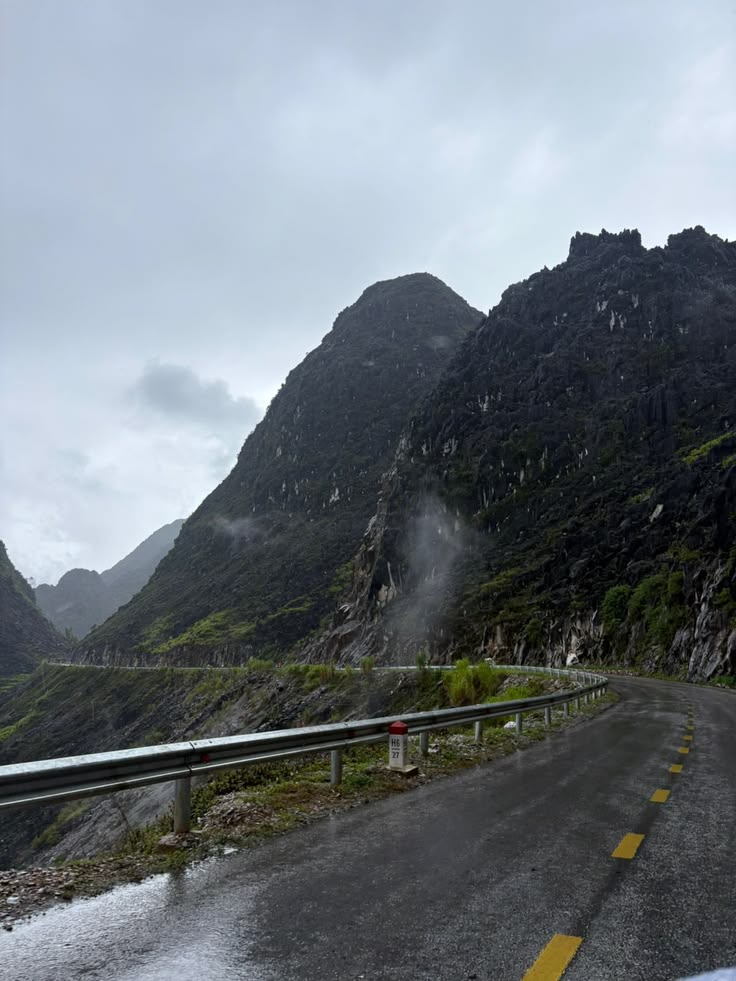
Rain is one of the main weather challenges travelers may encounter on the Ha Giang Loop. Wet roads can become slippery, especially around corners, on steep descents, and where mud or gravel has collected on the surface.
If you encounter rain while riding, reduce your speed and leave more distance between your motorbike and the vehicle ahead. Avoid sudden braking, rapid acceleration, and sharp steering movements. Be particularly careful when approaching bends because water, loose stones, and damaged road surfaces may be difficult to identify in time.
Ha Giang Loop Weather Safety
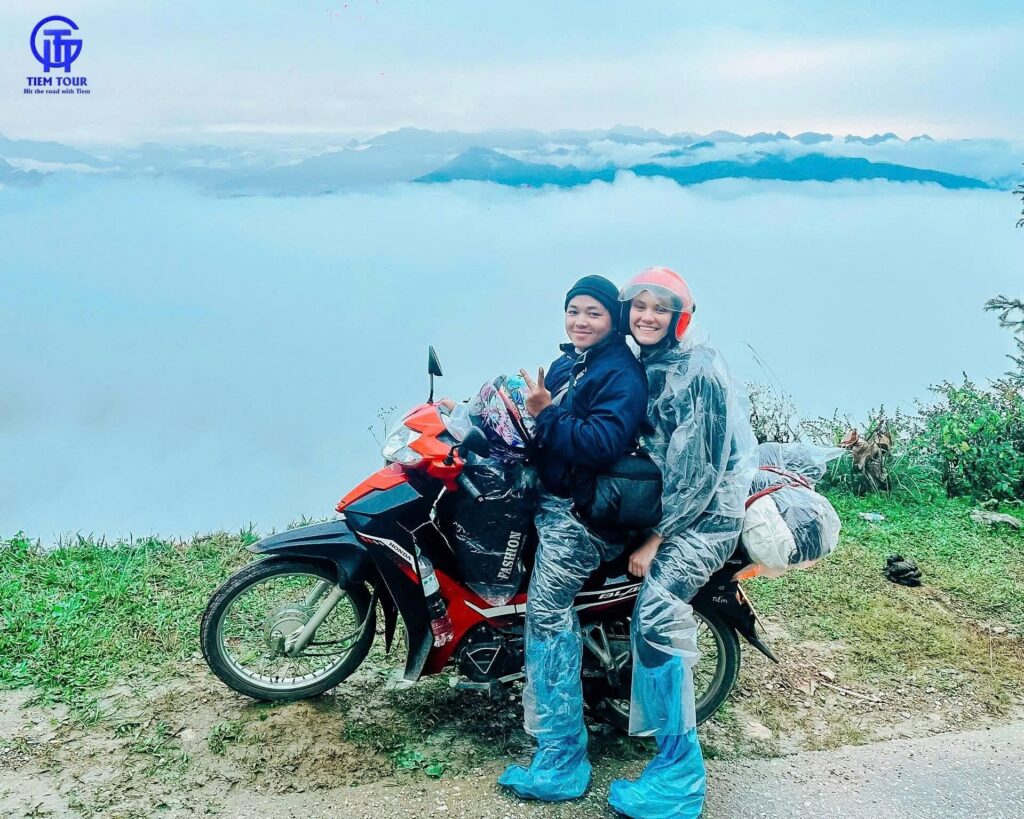
A waterproof jacket and trousers can help you stay dry, but clothing alone cannot make riding in heavy rain safe. If visibility becomes poor or the road surface looks dangerous, stop at a suitable location and wait for conditions to improve.
Heavy rainfall may also cause landslides, falling rocks, or temporary road closures in mountainous areas. Never attempt to cross a flooded section or ride through an area that local authorities or experienced guides have identified as unsafe. Changing your route or delaying departure is preferable to taking unnecessary risks.
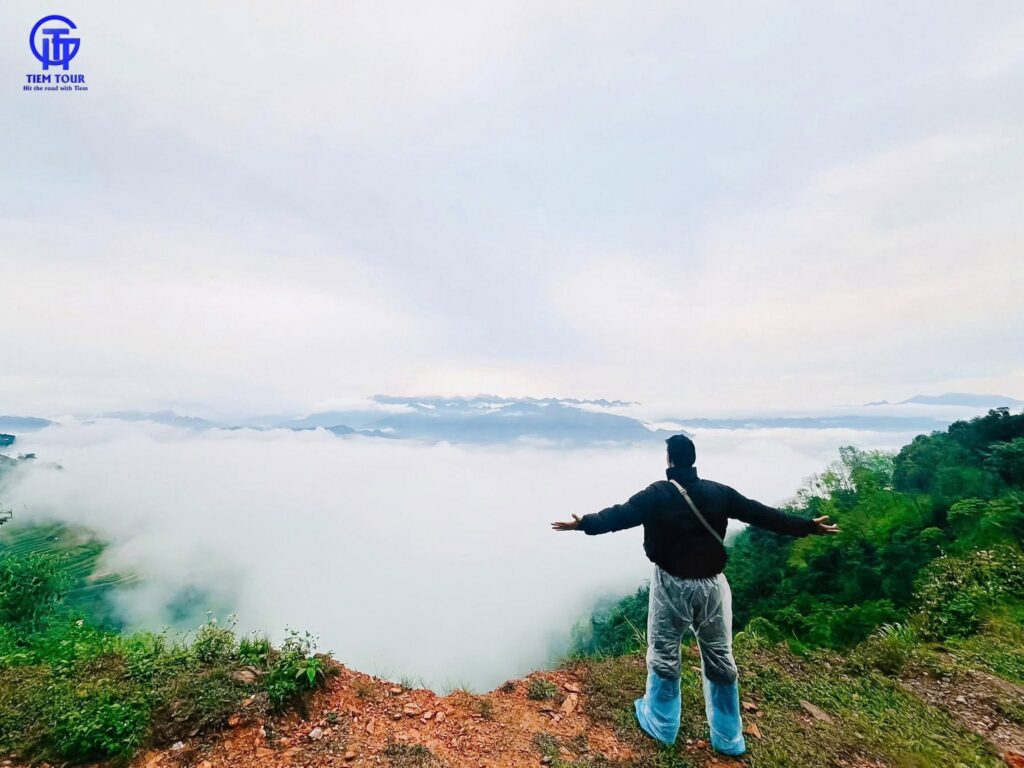
Fog can appear around higher elevations and mountain passes, sometimes reducing visibility within a short period. When you cannot clearly see the road ahead, it becomes harder to judge corners, distances, and the movement of other vehicles.
If you encounter fog, slow down and use appropriate lights. Keep a safe distance from other road users, stay within your lane, and avoid overtaking. Do not follow another motorbike so closely that you depend entirely on its movements to navigate the road.
Ha Giang Loop Weather Safety
If visibility becomes too limited for safe travel, find a suitable place to stop away from moving traffic. Wait for conditions to improve rather than continuing simply because you want to reach your next destination.
Travelers taking photographs should also be cautious. Fog may create beautiful mountain scenery, but it can make roadside stopping areas difficult for approaching drivers to see. Choose safe viewpoints and avoid stopping on blind bends.
Mountain temperatures can feel much colder than expected, particularly in the morning, during overcast weather, or when riding through exposed areas. Wind can make the journey feel even colder because you are exposed to moving air for extended periods.
Wear several light layers instead of relying on one thick item of clothing. A wind-resistant outer layer and a waterproof jacket can help protect you from changing conditions. Gloves, long trousers, and sturdy footwear also make long rides more comfortable.
Pack an extra layer in your day bag so you can adjust your clothing when temperatures change. If you become very cold or your hands become too uncomfortable to operate the controls properly, stop somewhere safe and warm up before continuing.
Passengers on Easy Rider tours should prepare for the wind as well. Sitting behind a local driver does not eliminate the effects of cold temperatures, so suitable clothing remains important.
Preparing for the weather does not require carrying a large amount of equipment. The goal is to bring a few practical items that help you stay comfortable and respond to changing conditions.
A waterproof jacket, an extra layer of clothing, gloves, and suitable footwear are useful for many travelers. Bring sunscreen and sunglasses for brighter conditions, along with drinking water for long riding days. Keep your phone charged and carry a power bank if possible, especially when your route passes through remote areas.
Ha Giang Loop Weather Safety
Use a waterproof bag or protective cover for important items such as your phone, documents, and spare clothing. Check that your belongings are secured properly and will not interfere with the motorbike’s balance.
Before departure, ask your tour operator what equipment is supplied and what you should bring yourself. This helps you avoid carrying unnecessary items while making sure you are prepared for the expected conditions.
Checking the weather once before your entire trip is not enough. Conditions may change between the day you arrive in Ha Giang and the day you travel through a particular mountain pass.
Check a reliable forecast before departure and pay attention to rain, fog, wind, and temperature changes. Ask local guides about road conditions as well, since a general weather forecast may not show whether a particular section has been affected by heavy rain or road damage.
It is useful to have a flexible plan. If rain is expected later in the day, your guide may recommend changing the departure time or adjusting the order of your stops. If conditions are already poor, delaying the journey may be the safer option.
For additional information about surfaces, road repairs, and mountain passes, read our Ha Giang Loop Road Conditions guide.
Weather can affect your travel time, so avoid planning an itinerary that depends on reaching every stop at an exact hour. Mountain roads are already slower than many travelers expect, and rain, fog, or roadworks may add further delays.
Ha Giang Loop Weather Safety
Allow enough time for meals, rest stops, fuel, and unexpected changes. Avoid scheduling too many viewpoints into one day, especially if you are unfamiliar with the route. It is better to skip a stop than to ride too quickly in an attempt to recover lost time.
A longer itinerary may provide more flexibility, although extra days cannot guarantee favorable weather. Choose a trip length that suits your interests, experience, and preferred pace.
Our Ha Giang Loop Route Planner can help you organize your route and understand how to plan around your available time.
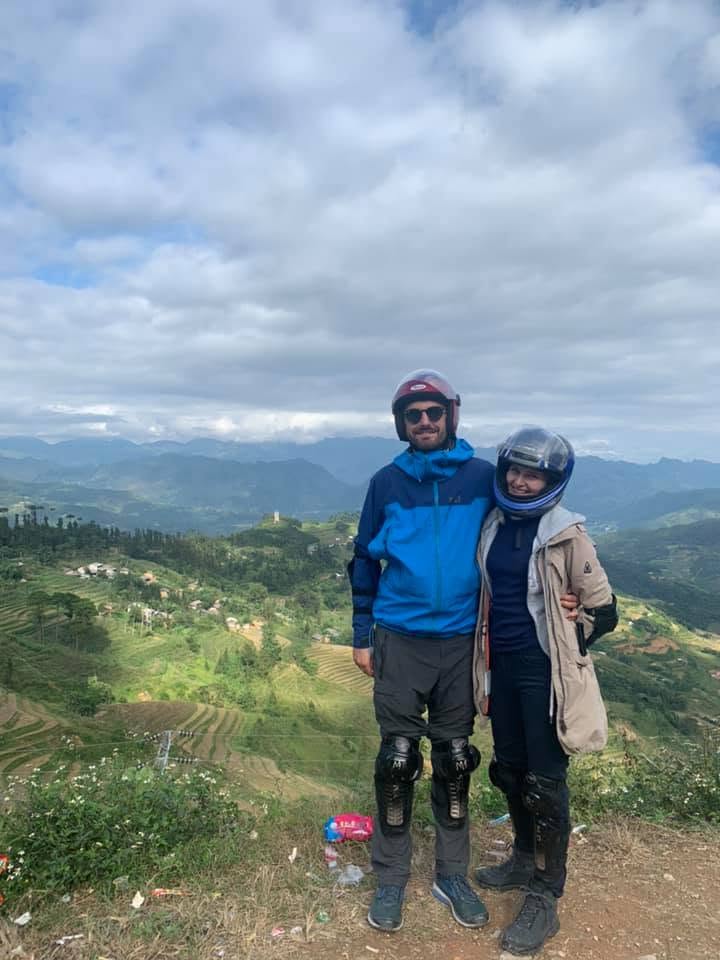
Your travel arrangement matters when weather becomes difficult. Self-riding requires you to manage the motorcycle, judge road conditions, and make decisions about speed and stopping. These responsibilities can be demanding if you have limited experience with mountain roads.
Ha Giang Loop Weather Safety
An Easy Rider tour allows you to travel as a passenger while an experienced local driver handles the motorbike. This may be a more suitable option if you are unfamiliar with steep bends or do not feel confident riding in rain and fog.
However, a guided tour does not remove every weather-related risk. You should still follow your driver’s instructions, wear suitable clothing, and accept changes to the itinerary when conditions require them.
Compare self-riding vs. Easy Rider on the Ha Giang Loop before deciding which option best suits your experience.
One of the most important parts of Ha Giang Loop Weather Safety is knowing when not to continue. If heavy rain, dense fog, strong winds, or a damaged road section makes travel unsafe, do not treat your original itinerary as more important than your safety.
Find a suitable stopping place away from traffic and contact your guide or tour operator for advice. If a road is closed or local authorities warn against travel, follow their instructions and do not attempt to bypass the restriction.
You should also stop if you become too cold, tired, or uncomfortable to travel safely. Weather-related delays are a normal possibility on a mountain journey, and a responsible plan should allow for them.
The Ha Giang Loop is not a race. Adjusting your schedule can help you enjoy the trip without putting yourself or other road users at unnecessary risk.
Rain can make roads slippery and reduce visibility. Slow down, avoid sudden movements, and stop somewhere safe if conditions become too difficult for riding.
Yes. Fog can reduce visibility on mountain roads and passes, making corners and approaching vehicles harder to see. Travel slowly and stop safely if you cannot see enough of the road ahead.
Bring a waterproof jacket, comfortable layers, gloves, long trousers, and sturdy footwear. Conditions can change between valleys and higher mountain areas.
Yes. Check a reliable forecast before each riding day and ask local guides about current road conditions. Weather and road surfaces can change during your trip.
Heavy rain may make some sections unsafe because of slippery surfaces, poor visibility, or landslide risks. Delay departure or stop somewhere safe when conditions are unsuitable.
An Easy Rider tour can be a suitable option for travelers who lack mountain-riding experience because a local driver handles the motorbike. However, the tour may still need to stop or change its route if the weather becomes unsafe.
Ha Giang Loop Weather Safety begins with preparation and continues with the decisions you make throughout the journey. Rain, fog, cold temperatures, and sudden changes in visibility can affect both your comfort and the condition of mountain roads.
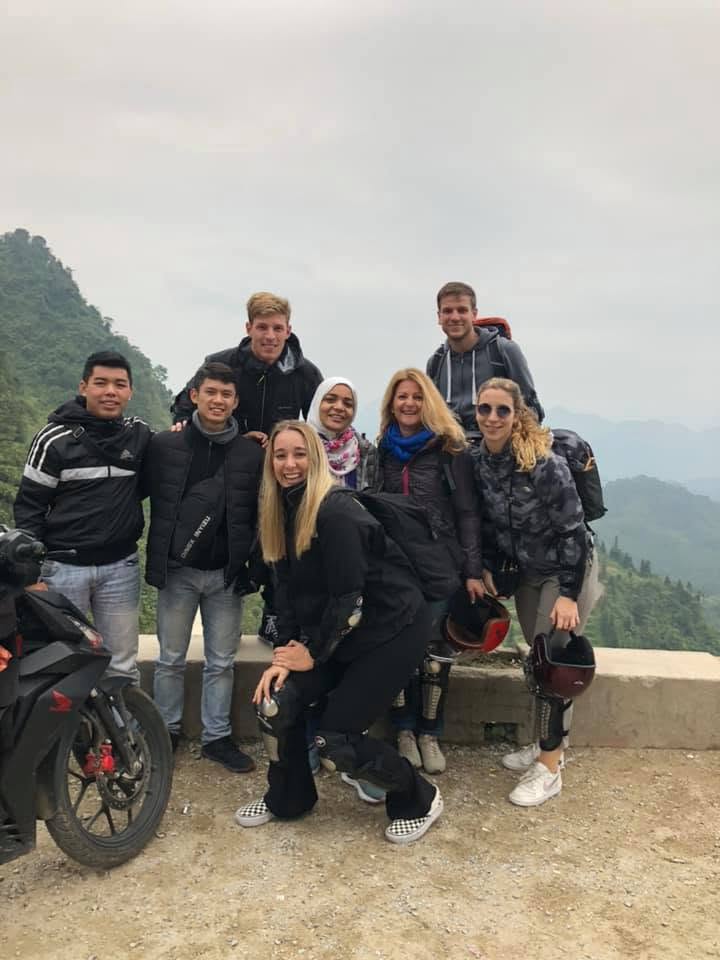
Ha Giang Loop Weather Safety
Check the forecast regularly, bring suitable clothing, ask local people about current conditions, and leave enough flexibility in your itinerary. If you are not confident riding in challenging weather, consider an Easy Rider tour rather than attempting to manage unfamiliar mountain roads alone.
The best experience comes from being prepared and knowing when to slow down, change plans, or stop. With a flexible approach and suitable travel arrangements, you can focus on the landscapes and local culture that make the Ha Giang Loop so memorable.
Ha Giang Loop experience
23/10/2026
Ha Giang Loop experience
21/10/2026
Ha Giang Loop experience
15/10/2026
Ha Giang Loop experience
09/10/2026
Ha Giang Loop experience
09/10/2026

Ha Giang Loop experience
08/10/2026
Ha Giang Loop experience
08/10/2026

Ha Giang Loop experience
08/10/2026

Ha Giang Loop experience
07/10/2026
Ha Giang Loop experience
07/10/2026