Ha Giang Loop experience
27/10/2026
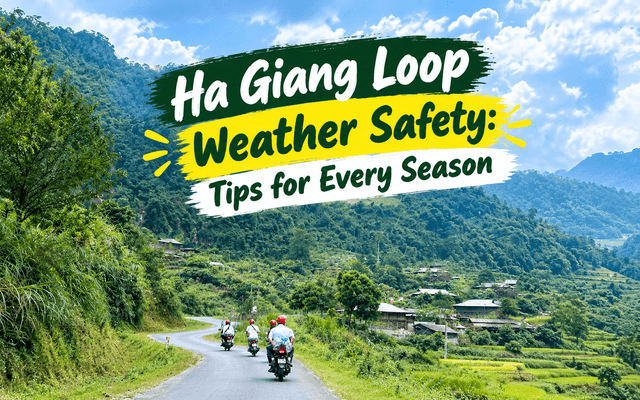
Ha Giang Loop Weather Safety: Tips for Every Season
Share


Summary of content
Ha Giang Loop in January offers a completely different experience from the warmer months. The mountains are often covered in mist, the air is cold, and the roads are generally drier than during the rainy season. While January is not the best month for travelers looking for green rice terraces or buckwheat flowers, it can be a memorable time to explore northern Vietnam’s mountain landscapes.

Ha Giang Loop in January
However, winter conditions also bring a few challenges. Temperatures can drop significantly in the highlands, visibility may be reduced by fog, and riding a motorbike requires extra preparation. Before booking your trip, here is what you should know about visiting Ha Giang in January.
January is one of the coldest months in Ha Giang. The weather is generally cooler and drier than in summer, but conditions can change depending on elevation and the time of day.
Ha Giang Loop in January
Ha Giang City may feel relatively comfortable during sunny afternoons, while areas around Dong Van, Meo Vac, and Ma Pi Leng Pass can be much colder. Temperatures in the highlands may approach freezing during particularly cold periods, especially at night and early in the morning.
Fog is another important factor. Mountain valleys and high passes can become covered in thick mist, making it harder to see the road and surrounding scenery. Some mornings may begin with limited visibility before conditions improve later in the day.
Rain is generally less frequent than during the summer rainy season, but light drizzle and damp conditions are still possible. Travelers should not assume that every January day will be sunny or that all mountain roads will remain dry.
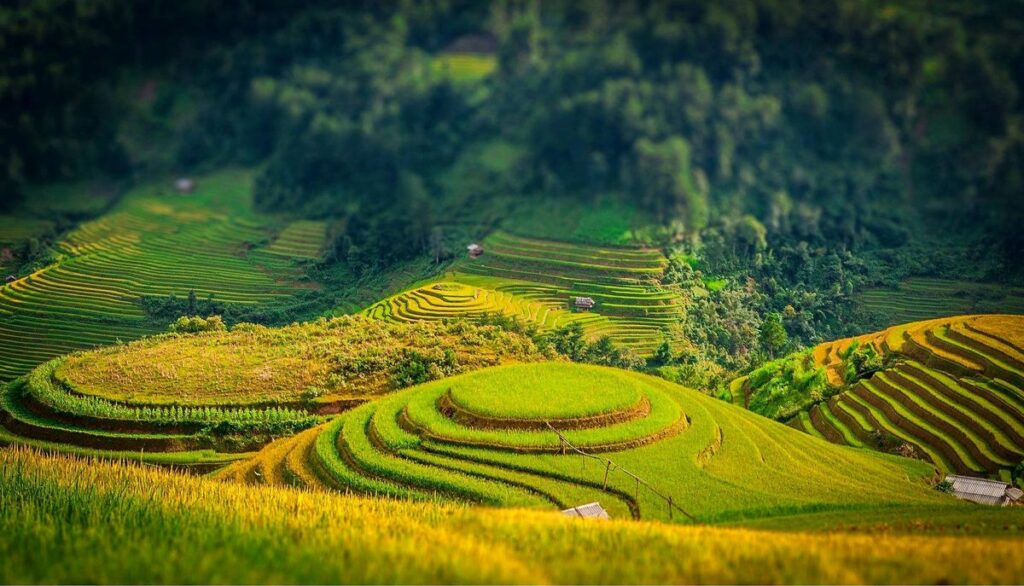
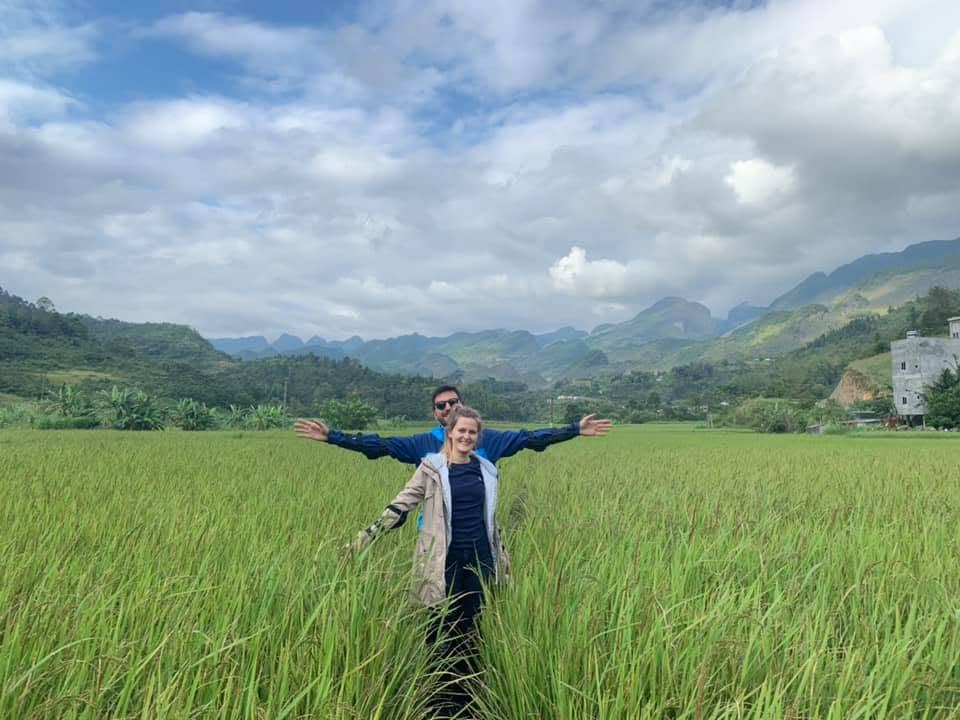
The landscape in January is different from the colorful scenery often seen in autumn travel photos. Many rice fields have already been harvested, leaving mountain slopes with a quieter and more rugged appearance.
Instead of golden terraces or large fields of buckwheat flowers, you will find limestone mountains, winding roads, traditional villages, and mist moving through the valleys.
Ha Giang Loop in January
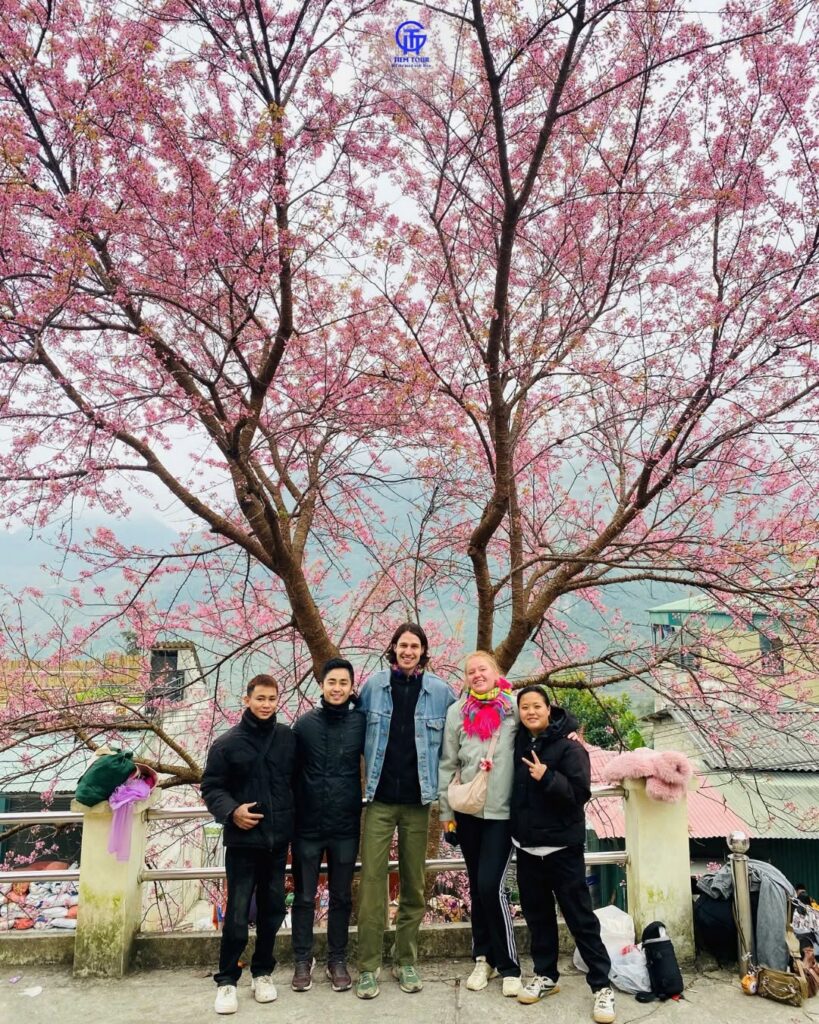
Some areas may also have early signs of spring toward the end of the month. Depending on the weather and local growing conditions, you may see mustard flowers or the first peach and plum blossoms. However, flowering periods vary each year, so it is better not to plan your entire trip around a specific flower season.
The winter atmosphere is part of January’s appeal. Travelers who enjoy peaceful mountain scenery and cooler weather may appreciate this quieter side of the Ha Giang Loop.
January can be a good time to visit if you are comfortable with cold weather and understand the challenges of traveling through the mountains during winter.
One advantage is that January falls within the drier part of the year. Compared with the heavy rainfall of summer, there are generally fewer rain-related disruptions. This can make travel planning easier, although fog, frost, and occasional cold weather still need attention.

Ha Giang Loop in January
Another advantage is the atmosphere. Outside holiday periods, some areas may feel less crowded than during the popular autumn flower and harvest seasons. You can enjoy the mountain roads, local villages, and viewpoints without expecting the same busy atmosphere found during peak travel months.
However, January is not ideal for everyone. If you dislike cold temperatures, want warm riding conditions, or hope to see golden rice terraces and peak buckwheat flowers, another month may suit you better.
For a broader comparison of seasonal conditions, read our guide to the Best Time to Visit Ha Giang Loop.
Road conditions are an important consideration when traveling in January. The rainy season has generally passed, so many routes are less affected by heavy rain and muddy surfaces than they are during summer.
Nevertheless, winter does not mean that every road is automatically safe. Fog can reduce visibility on mountain passes, while damp or frosty sections may become slippery, particularly in shaded areas.
Ma Pi Leng Pass is one of the most impressive sections of the journey, but its exposed mountain roads require careful attention. Cold wind, sharp bends, and limited visibility can make riding more difficult than it appears in photographs.
Travelers should avoid rushing to reach the next destination. Allow enough time for stops, follow the instructions of local drivers, and avoid riding through dense fog when visibility is poor.
You can learn more about the different surfaces and conditions along the route in our article about Ha Giang Loop Road Conditions.
Packing the right clothes can make a significant difference to your experience. The biggest mistake is preparing only for the temperature in Ha Giang City and forgetting how cold the mountain roads can become.
A good approach is to wear several layers rather than relying on one thick jacket.
Warm base layers: Bring long-sleeved thermal clothing or other warm layers that fit comfortably underneath your regular clothes.
Insulated jacket: A warm jacket helps protect you from low temperatures, especially when stopping at viewpoints or spending time outdoors.
Windproof outer layer: Wind feels much colder when you are riding a motorbike. A windproof jacket is particularly useful on exposed mountain passes.
Gloves: Warm gloves help protect your hands from cold wind and make it easier to maintain a comfortable grip while riding.
Long trousers and warm socks: These help keep your legs and feet warm throughout the journey.
Closed shoes: Choose comfortable shoes that provide a good grip when walking around viewpoints and village roads.
Rain protection: Even during the drier season, light rain and drizzle can occur. A waterproof jacket or rain cover is worth bringing.
You should also pack personal medication, basic toiletries, a power bank, and a small bag for items you need during the day.
Choosing how to travel is especially important during winter. Cold temperatures, fog, and winding mountain roads can make the journey more demanding for inexperienced riders.
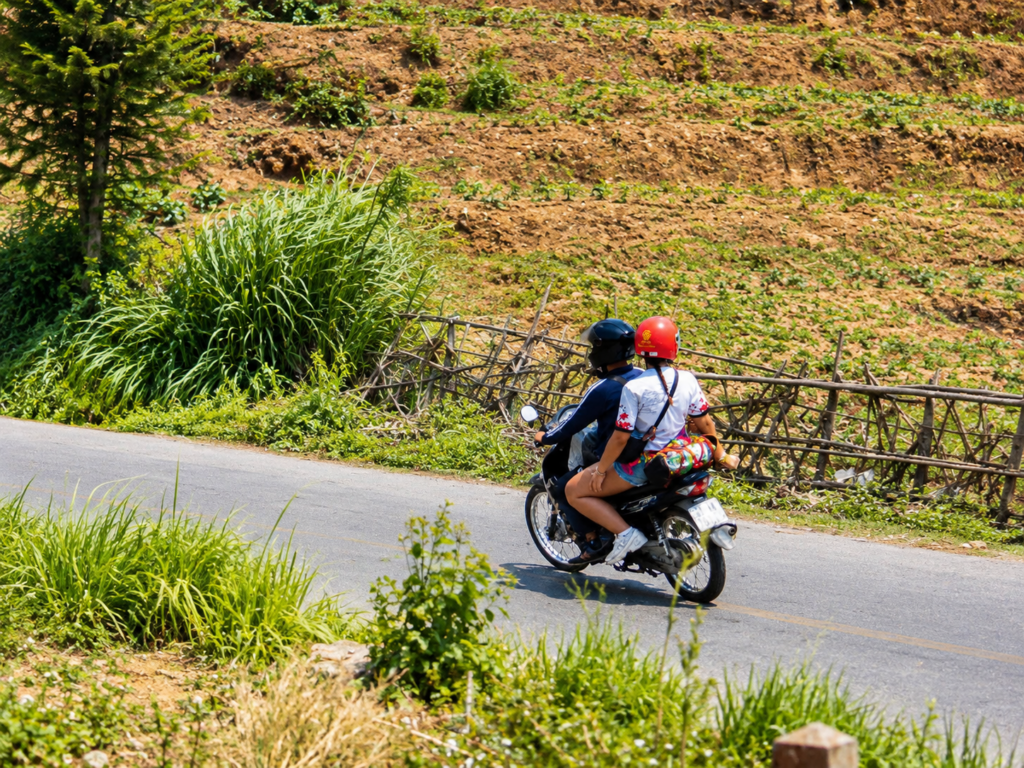
If you have sufficient motorbike experience and the correct legal documents, riding yourself may give you more independence. However, you should be confident handling mountain roads and changing weather conditions.
Ha Giang Loop in January
For travelers who are unfamiliar with motorbikes or do not feel comfortable riding in winter conditions, an Easy Rider tour is worth considering. With this option, an experienced local driver handles the motorbike while you enjoy the scenery from the passenger seat.
You can read more about the differences between these options in our guide to Self-Riding vs Easy Rider on the Ha Giang Loop.
At Tiem Tours, travelers can explore different ways to experience the Loop, including riding by themselves, sitting behind a friend, or choosing an Easy Rider option. You can check the available Ha Giang Loop tours to find an arrangement that suits your experience and comfort level.
The ideal trip length depends on how much time you have and how relaxed you want your journey to be.
A shorter trip may work for travelers with limited time, but winter conditions make it important not to rush. Fog or poor visibility may affect the time needed to travel between destinations.

Ha Giang Loop in January
A 3-day, 2-night trip is a popular option for travelers who want to experience the main highlights without spending too many days on the road. You can explore the 3 Days 2 Nights Ha Giang Loop Adventure Tour.
If you prefer a slower journey with more time for sightseeing and rest, a 4-day, 3-night itinerary may be more suitable. The 4 Days 3 Nights Ha Giang Loop Adventure Tour gives you more time to experience the mountain scenery and local communities.
For travelers who want to explore beyond the traditional Loop, longer journeys are also available, including the 5 Days 4 Nights Ha Giang Loop and Cao Bang Adventure.
Whatever duration you choose, leave some flexibility in your schedule. Winter weather can change quickly, and a comfortable pace is more important than trying to visit every stop.
A little preparation can help you enjoy the journey while avoiding some common winter travel problems.
Check the weather before departure. Look beyond the forecast for Ha Giang City. Conditions in Dong Van, Meo Vac, and the mountain passes may be very different.
Avoid riding too early in the morning. Fog and frost can make some sections more difficult to navigate. Allow visibility and road conditions to improve before heading into higher areas.
Keep your hands and feet warm. Cold fingers can affect your comfort and ability to control a motorbike. Proper gloves and warm socks are essential.
Do not rush through mountain passes. Take your time on sharp bends, maintain a safe distance, and follow the advice of experienced local drivers.
Prepare for changing temperatures. You may feel comfortable while walking in the sunshine but become cold quickly when riding or stopping in exposed areas.
Plan accommodation in advance. Check whether your homestay provides enough warm bedding and suitable heating arrangements for winter nights.
Consider the Tet holiday. Lunar New Year usually falls in late January or February. If your trip overlaps with the holiday period, transport and accommodation may become busier, while some local businesses may adjust their opening hours. Check the dates for your travel year and book ahead.
For more practical advice before departure, see our Ha Giang Loop Safety Tips.
Yes. January is one of the coldest months in Ha Giang, especially in higher areas such as Dong Van and Meo Vac. Bring warm clothing and prepare for strong wind while riding.
Snow is rare, but frost and occasionally icy conditions can occur during particularly cold periods in the high mountains. Do not plan your trip around snowfall because it is not guaranteed.
January is generally quieter than the peak autumn travel season, although visitor numbers can increase around public holidays and Tet. Booking accommodation and transport in advance is still recommended during busy periods.
Beginners can visit, but winter conditions require extra care. Travelers without mountain motorbike experience should consider joining an Easy Rider tour instead of riding independently.
Many sections are normally accessible during January, but road conditions can change because of fog, frost, or unexpected weather. Check local conditions before departure and follow advice from experienced local guides.
Three days and two nights is a practical choice for travelers with limited time, while four days and three nights allows a more relaxed pace. The best option depends on your schedule and how much time you want to spend exploring.
The Ha Giang Loop in January is a journey for travelers who enjoy cold mountain weather, quiet roads, and the unique atmosphere of northern Vietnam during winter. Although it may not offer the golden rice fields or peak buckwheat flower season, it has its own charm through misty valleys, limestone mountains, and peaceful local villages.
Ha Giang Loop in January
The key is to prepare properly. Bring warm clothing, check the weather, avoid riding in poor visibility, and choose a travel option that matches your experience.
If you are planning to visit Ha Giang in January, explore the available journeys with Tiem Tours and choose a route that gives you enough time to enjoy the mountains at a comfortable pace.
Ha Giang Loop experience
27/10/2026
Ha Giang Loop experience
23/10/2026
Ha Giang Loop experience
21/10/2026

Ha Giang Loop experience
15/10/2026

Ha Giang Loop experience
09/10/2026

Ha Giang Loop experience
09/10/2026

Ha Giang Loop experience
08/10/2026

Ha Giang Loop experience
08/10/2026

Ha Giang Loop experience
08/10/2026

Ha Giang Loop experience
07/10/2026