Ha Giang Loop experience
18/11/2026
Ma Pi Leng Pass: The Most Spectacular Mountain Road on the Ha Giang Loop
Share


Summary of content
Dong Van Ha Giang is one of the most fascinating destinations in northern Vietnam, known for its dramatic limestone mountains, traditional villages, historic streets, and rich ethnic culture. Located within the Dong Van Karst Plateau UNESCO Global Geopark, this highland area offers a unique combination of natural landscapes and local heritage.
Dong Van Ha Giang
For travelers exploring the Ha Giang Loop, Dong Van is more than just an overnight stop. It is a place to walk through an old quarter, visit traditional markets, discover historical buildings, and experience the daily life of local communities.
Whether you enjoy photography, cultural experiences, mountain scenery, or local food, Dong Van offers plenty of reasons to spend time exploring the area rather than simply passing through.
One of the main reasons to visit Dong Van is its distinctive landscape. Unlike destinations with green forests and wide rice fields, much of the surrounding plateau is covered with rugged limestone formations, rocky hills, and narrow valleys.

Dong Van Ha Giang
The landscape reflects the challenges of living and farming in a mountainous environment. Local communities have adapted to the rocky terrain through traditional houses, stone fences, and agricultural practices that have developed over generations.
Dong Van is also part of the UNESCO Global Geopark, an area recognized for its geological heritage and cultural diversity. The geopark is home to different ethnic communities, including Hmong, Lo Lo, Tay, and Dao people, each with their own customs, clothing, and traditions.
This combination of geology, history, and culture makes Dong Van an important destination on the northern Vietnam travel route.
There are several attractions worth adding to your itinerary. Some are located in Dong Van itself, while others require a short ride to nearby villages and scenic areas.
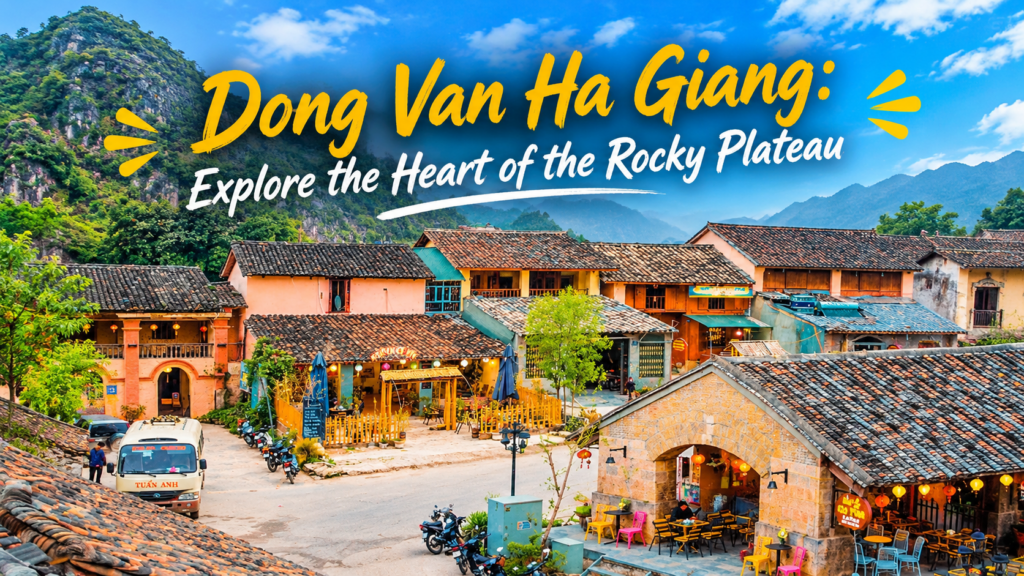
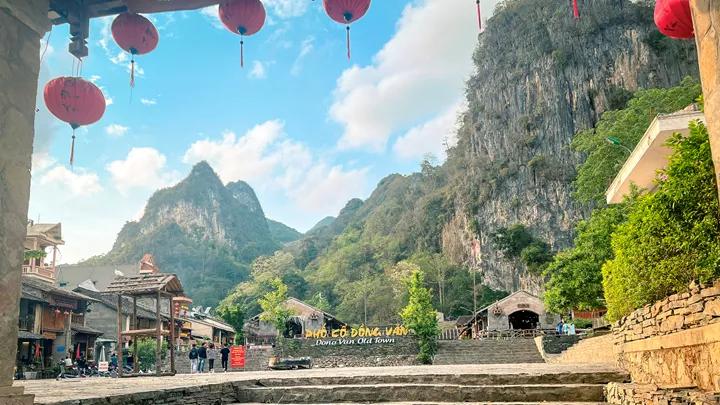
Dong Van Old Quarter is one of the most recognizable attractions in the area. Its traditional houses, tiled roofs, and small streets create an atmosphere that feels different from modern Vietnamese towns.
Dong Van Ha Giang
The old quarter is particularly enjoyable to explore on foot. You can walk past historic buildings, visit local cafés, browse small shops, and observe everyday activities around the town center.
In the evening, the streets become a pleasant place to relax after a day traveling through mountain roads. Visitors can enjoy local food, take photographs of the traditional architecture, or simply sit at a café and experience the slower pace of highland life.
Some buildings combine traditional architectural features with influences from different periods, reflecting the history of trade and cultural exchange in the region.
The Sunday market is one of the most interesting cultural experiences in Dong Van.
Every Sunday morning, people from surrounding villages gather to trade agricultural products, clothing, household items, and traditional handicrafts. The market is also a social meeting place where local residents catch up with friends and relatives.
Visitors may see people wearing colorful traditional clothing, vendors preparing local dishes, and farmers bringing products from their villages.
Food is an important part of the experience. You may find regional specialties such as mèn mén, thắng cố, sticky rice, and other traditional highland dishes.
Arriving early gives you more time to explore before the market becomes busy. Remember that this is a real local gathering rather than simply a tourist attraction, so ask permission before taking close-up photographs of people.
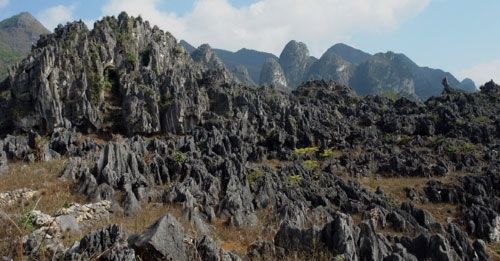
The Dong Van Karst Plateau is one of the region’s most important natural attractions.
Recognized as a UNESCO Global Geopark in 2010, the area is famous for its limestone formations, deep valleys, mountain passes, and geological features that reveal a long history of the Earth’s development.
Dong Van Ha Giang
Travelers can experience the geopark through its winding roads, rocky landscapes, traditional villages, and scenic viewpoints.
The geological environment also influences local life. Farming, housing, and transportation have developed around the challenges of the rocky terrain, creating a distinctive relationship between people and nature.
For visitors, exploring the geopark is not only about enjoying beautiful scenery but also understanding why the landscape is so important to the communities living there.
The Vuong Family Mansion, often called the Hmong King’s Palace, is a historical attraction located in Sa Phin, a short ride from Dong Van.
The mansion was built for the Vuong family, which held significant influence in the region during the early twentieth century. Its architecture combines traditional Hmong elements with Chinese and French influences.
Visitors can explore the stone walls, wooden structures, courtyards, and decorative details throughout the complex.
The mansion provides an interesting look into the region’s past, including local leadership, trade, and social life. It is especially worthwhile for travelers who want to learn more about the history of the northern highlands.
Allow enough time to explore the different sections of the building rather than treating it as a quick photography stop.
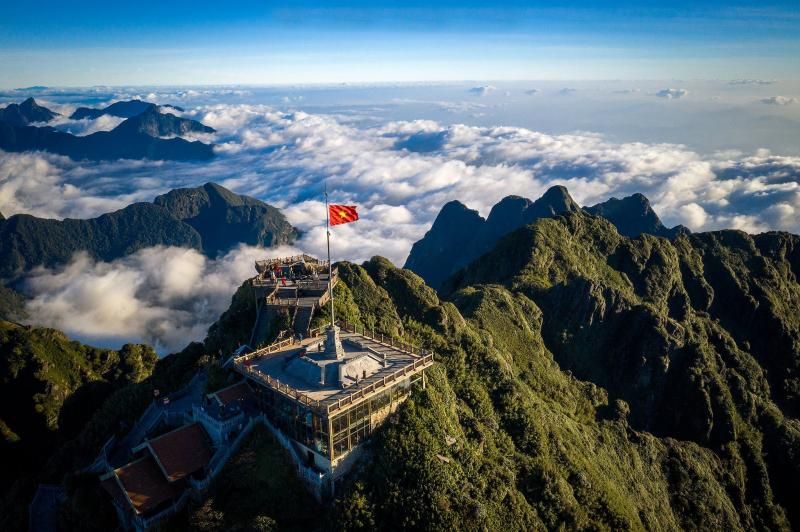
Lung Cu Flag Tower is a famous landmark in Vietnam’s northernmost region.
Located on Dragon Mountain, the tower stands above the surrounding landscape and offers wide views of the mountains and nearby villages.
Dong Van Ha Giang
Visitors can climb the steps toward the flag tower and enjoy the scenery from higher viewpoints. The journey to Lung Cu is also memorable because it passes through small settlements and rugged limestone landscapes.
Nearby Lo Lo Chai Village is another destination worth visiting. The village is known for its traditional houses and the cultural identity of the Black Lo Lo community.
Because Lung Cu is a side trip from Dong Van, it is best to include it when you have enough time in your itinerary.
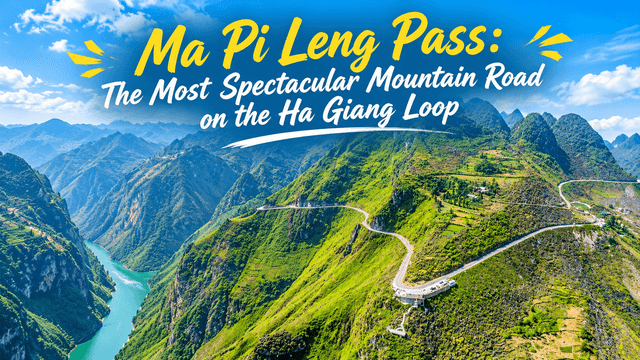
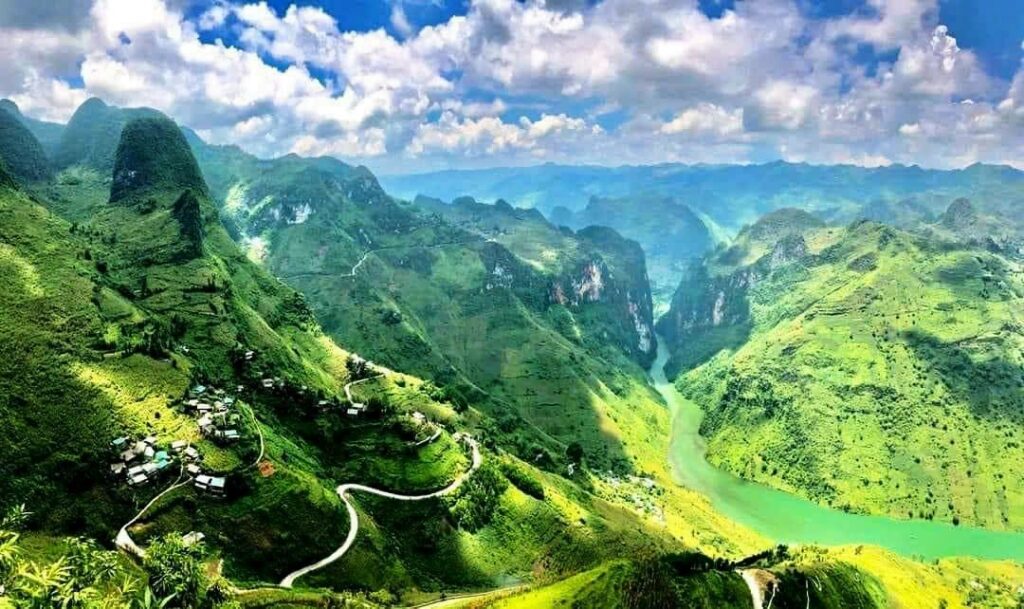
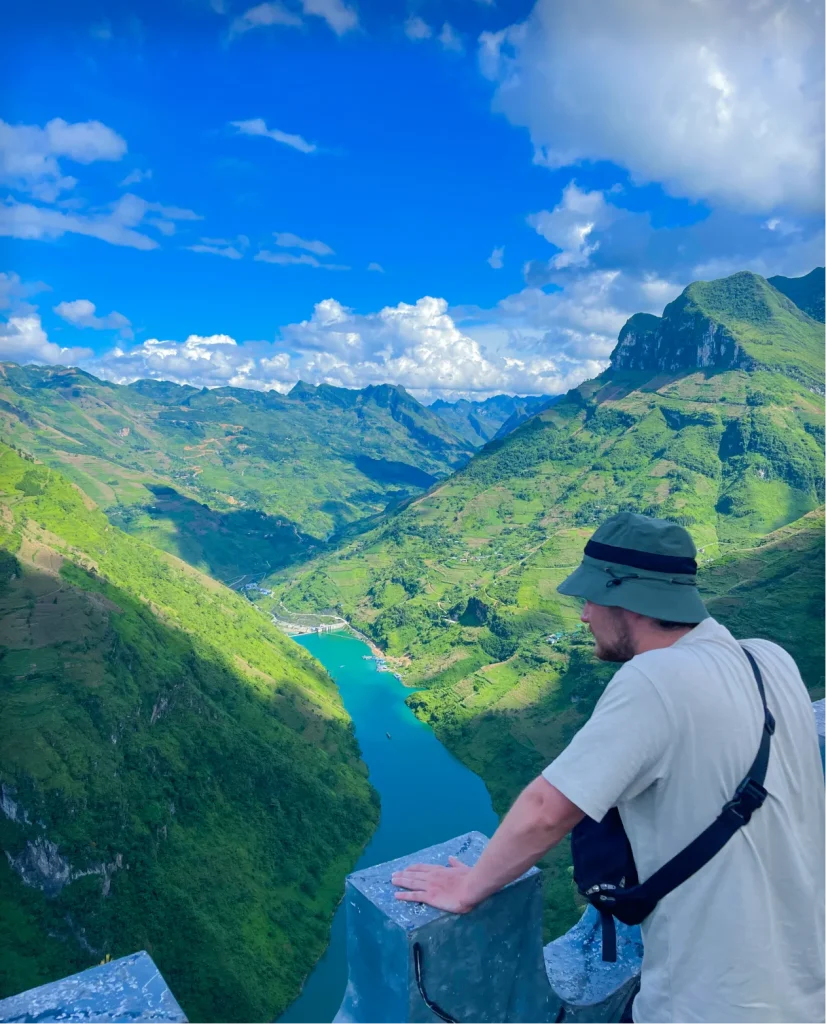
Ma Pi Leng Pass is one of the most impressive mountain roads in northern Vietnam and a major highlight of the Ha Giang Loop.
Dong Van Ha Giang
The pass connects the Dong Van and Meo Vac areas, following steep limestone mountains and overlooking deep valleys.
Along the way, travelers can stop at suitable viewpoints to admire the dramatic scenery. The winding road, towering cliffs, and distant mountain peaks create some of the most memorable landscapes in the region.
Ma Pi Leng is also a popular photography location. However, visitors should always choose safe stopping areas and avoid standing on the road for pictures.
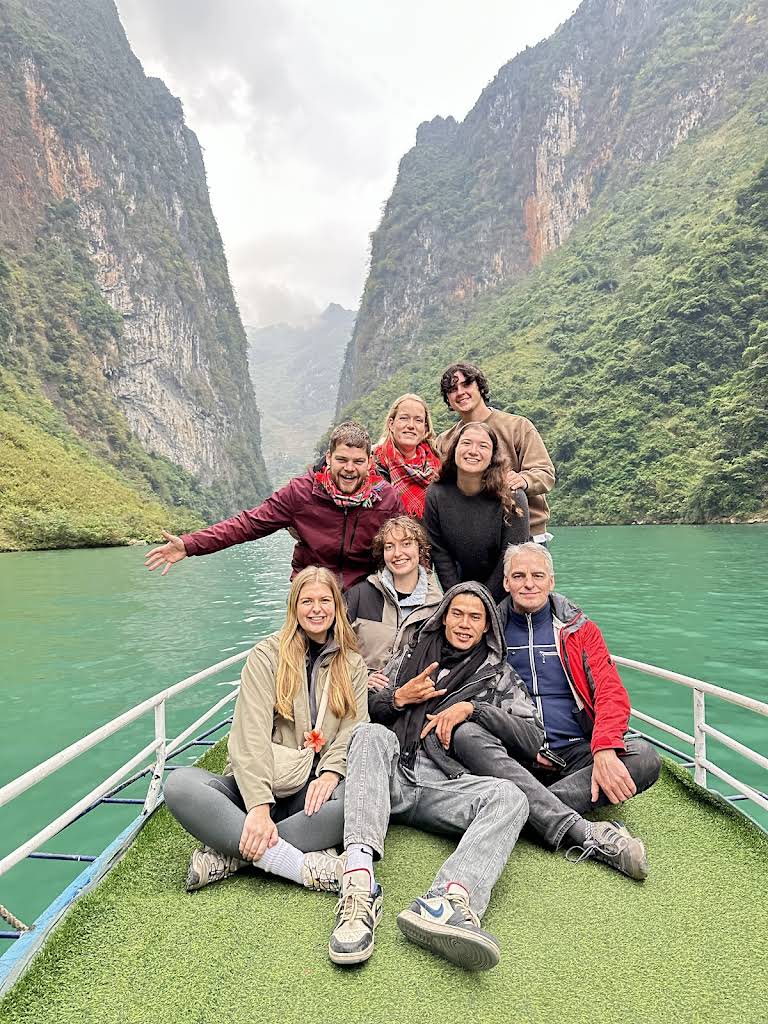
The Nho Que River is famous for its striking turquoise water and the towering limestone cliffs of Tu San Canyon.
One of the most popular activities is taking a boat trip along the river. From the water, visitors can look up at the steep canyon walls and appreciate the scale of the surrounding mountains.
Dong Van Ha Giang
This experience offers a different perspective from the viewpoints along Ma Pi Leng Pass. It is also a relaxing break from traveling on winding mountain roads.
Depending on local conditions, visitors may also find kayaking or other water-based activities available.
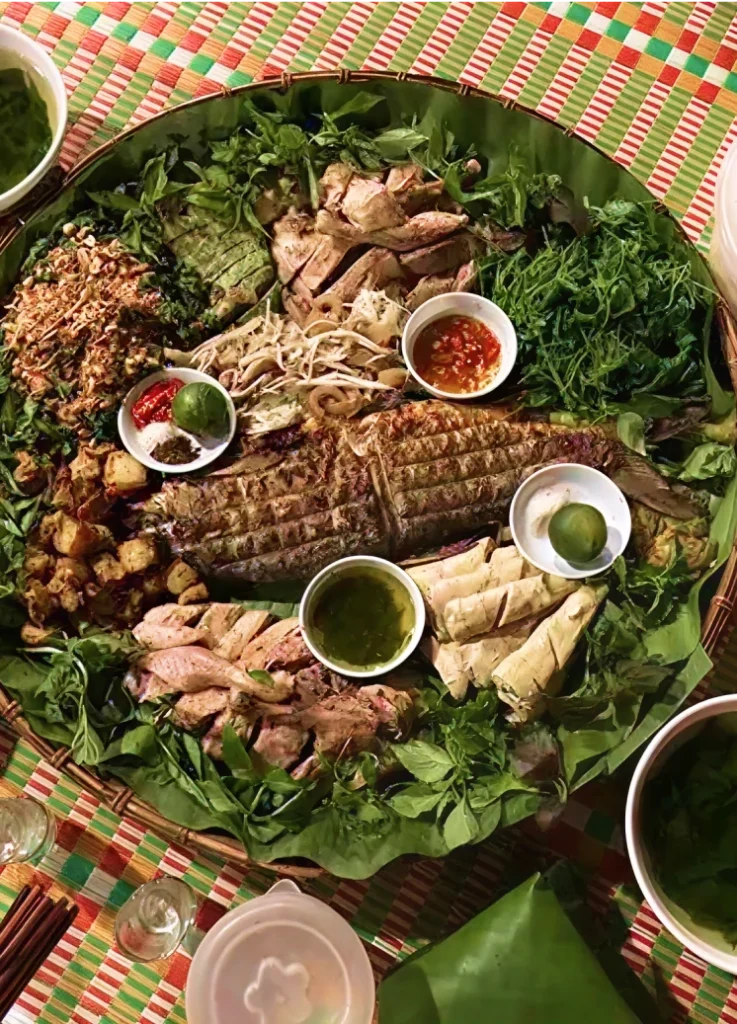
Food is an important part of the travel experience in Dong Van. Many local dishes reflect the agricultural conditions, ingredients, and cooking traditions of ethnic communities in the northern mountains.
Dong Van Ha Giang
One popular breakfast choice is bánh cuốn trứng, or egg rice rolls. The thin rice sheets are prepared with eggs and commonly served with a warm bowl of broth.
Mèn mén is another traditional dish made from ground corn. It is closely connected to the food culture of the Hmong community and is often served with other local dishes.
Visitors may also try thắng cố, a traditional highland dish commonly found at local markets, as well as buckwheat cakes during the flowering season.
For a broader look at regional dishes and culinary experiences, explore the TIEMTOURS Activity page, which introduces local food, sightseeing, and cultural experiences in Ha Giang.
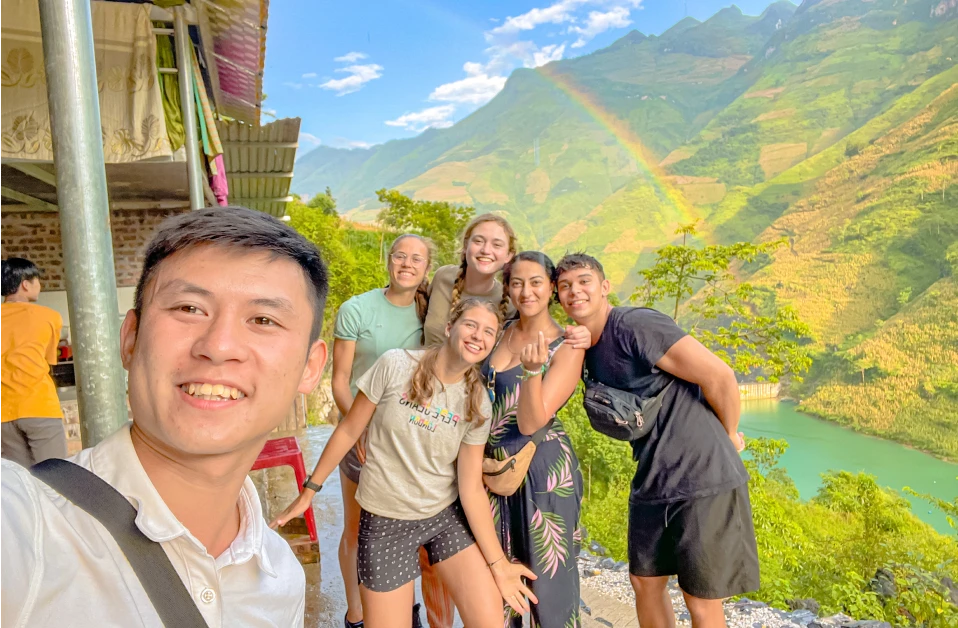
Dong Van can be visited throughout the year, but the scenery and travel conditions change with the seasons.
Dong Van Ha Giang
September to November is a popular period for visiting because the weather is generally cooler and the landscape becomes especially attractive. Buckwheat flowers usually appear from October to December, although flowering times vary between locations and years.
December to February brings colder temperatures, particularly in the early morning and evening. Visitors may experience fog and chilly mountain conditions, so warm clothing is important.
March to April is a pleasant period for travelers interested in spring scenery. Peach and plum blossoms may appear in some villages, depending on the weather and local conditions.
May to August brings greener landscapes, but this is also the wetter part of the year. Rain can affect visibility and make mountain roads more challenging.
If you want to understand the seasonal differences in more detail, check the Best Time to Visit Ha Giang Loop.
Dong Van is an important stop on the classic Ha Giang Loop, so it is relatively easy to include in a three-day or four-day journey.
Dong Van Ha Giang
A typical route passes through Quan Ba and Yen Minh before reaching Dong Van. Travelers can explore the old quarter, visit nearby attractions, and continue toward Ma Pi Leng Pass and Meo Vac.
A three-day itinerary is suitable for visitors with limited time who want to experience the main highlights. A four-day journey allows more flexibility for exploring cultural sites, visiting additional viewpoints, and enjoying local experiences without rushing.
For example, the Ha Giang Loop 4 Days 3 Nights Adventure Tour includes Dong Van Old Town, Lung Cu Flag Tower, Ma Pi Leng Pass, and a boat trip on the Nho Que River as part of its itinerary.
You can also explore the Ha Giang Loop 3 Days 2 Nights Adventure Tour if you have a shorter travel schedule.
Bring warm clothing. Temperatures can be noticeably cooler in the mountains, especially during winter mornings and evenings.
Wear comfortable shoes. Exploring old streets, traditional villages, and historical attractions often involves walking on uneven surfaces.
Plan around the Sunday market. If you want to experience the local market, consider spending Saturday night in Dong Van so you can visit early the following morning.
Allow extra time for side trips. Lung Cu and Sa Phin are not right in the old quarter, so plan your transportation and schedule accordingly.
Respect local customs. Ask before photographing residents or entering private homes. Be considerate when visiting villages and traditional spaces.
Check weather and road conditions. Fog, rain, and steep mountain roads can affect travel time. Avoid rushing between destinations, especially when visibility is poor.
Support local businesses. Eating at family-run restaurants, staying in local homestays, and buying handmade products can help support communities in the region.
Dong Van is located in the northern highlands of Vietnam, within the Dong Van Karst Plateau UNESCO Global Geopark.
Dong Van is known for its old quarter, Sunday market, limestone mountain scenery, traditional villages, and access to attractions such as Lung Cu Flag Tower and Ma Pi Leng Pass.
One full day is a reasonable starting point for exploring the old quarter and nearby attractions. Travelers who want to visit Lung Cu, Sa Phin, and other surrounding areas should allow additional time.
The Dong Van market takes place on Sunday morning. Arriving early is recommended to experience its busiest and most lively period.
Yes. Independent travelers can arrange transportation and accommodation themselves. However, those unfamiliar with mountain roads may find an organized tour or an experienced local driver more convenient.
Yes. Dong Van combines natural scenery, historical attractions, local markets, and cultural experiences, making it one of the most rewarding stops along the Loop.
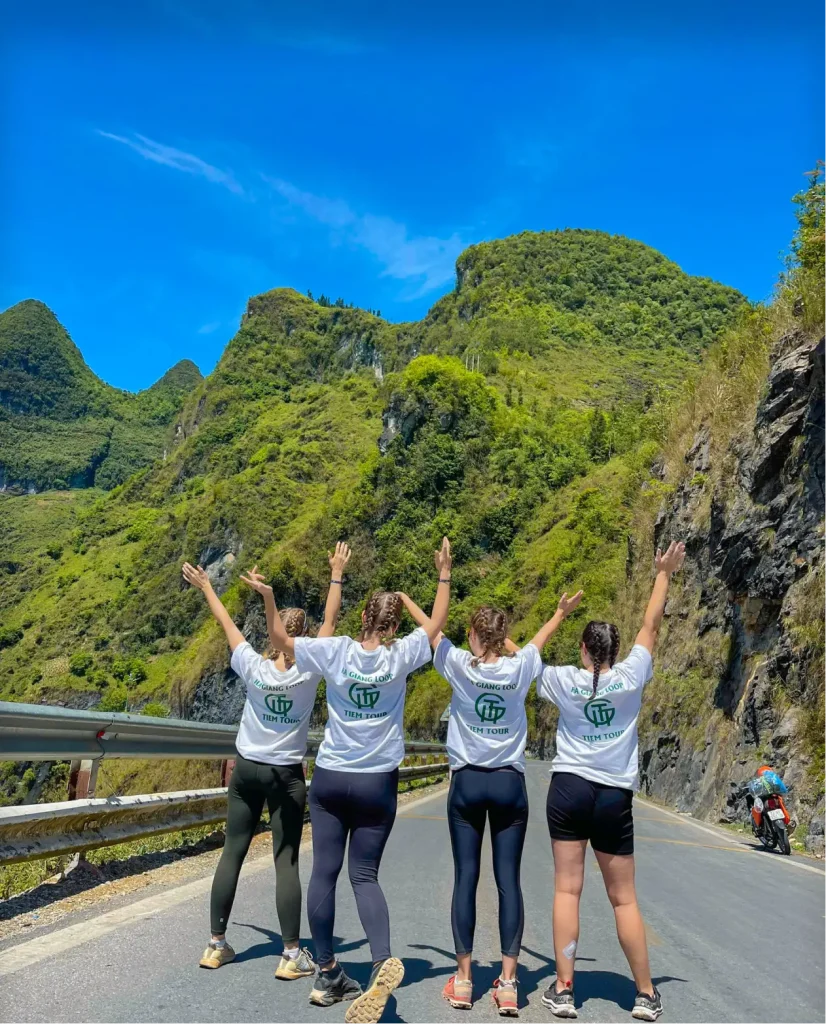
Dong Van Ha Giang is a destination where dramatic mountain landscapes meet local history and traditional culture. From the old quarter and Sunday market to the surrounding limestone plateau, every experience offers a different perspective on northern Vietnam.
Dong Van Ha Giang
Take time to explore beyond the main viewpoints, enjoy local food, and connect with the communities that make this region special. Visit TIEMTOURS to discover a Ha Giang Loop journey that includes Dong Van and other unforgettable destinations.
Ha Giang Loop experience
18/11/2026
Ha Giang Loop experience
18/11/2026
Ha Giang Loop experience
16/11/2026
Ha Giang Loop experience
16/11/2026
Ha Giang Loop experience
13/11/2026
Ha Giang Loop experience
13/11/2026
Ha Giang Loop experience
11/11/2026
Ha Giang Loop experience
11/11/2026
Ha Giang Loop experience
09/11/2026
Ha Giang Loop experience
09/11/2026