Ha Giang Loop experience
18/11/2026
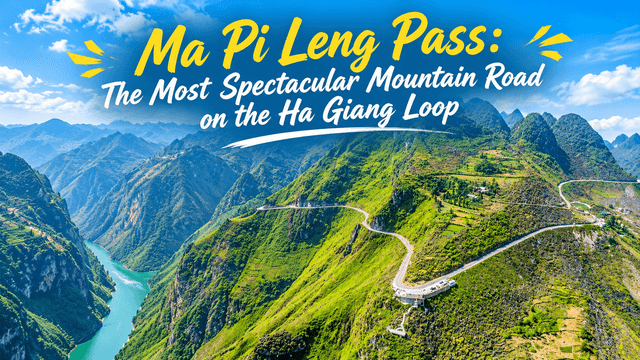
Ma Pi Leng Pass: The Most Spectacular Mountain Road on the Ha Giang Loop
Share


Summary of content
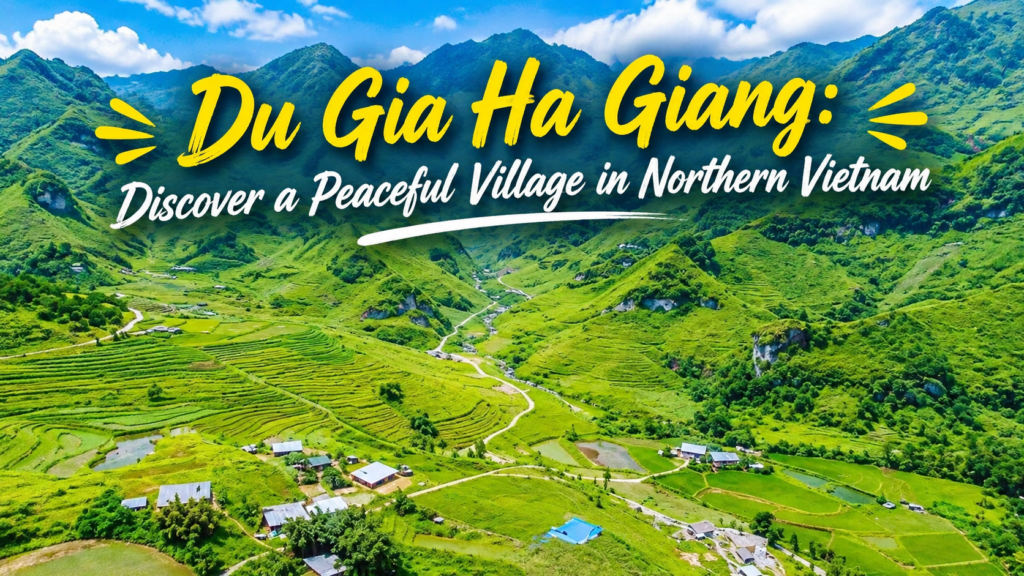
Du Gia Ha Giang is a peaceful mountain destination known for its green valleys, rice fields, traditional villages, and natural waterfalls. Located along the eastern section of the famous Ha Giang Loop, Du Gia offers a different atmosphere from the rugged limestone mountains around Dong Van and Meo Vac.
Du Gia Ha Giang
Instead of spending the entire journey visiting mountain passes and viewpoints, travelers can slow down, walk through rural villages, enjoy a meal at a local homestay, and experience the quieter side of northern Vietnam.
For many visitors, Du Gia becomes one of the most relaxing stops on the Loop. Its natural scenery and welcoming village atmosphere make it an excellent place to spend a night before continuing the journey toward Ha Giang City.
The biggest attraction of Du Gia is its peaceful natural environment. The area features green valleys, streams, rice fields, and mountains surrounding small rural settlements.
Du Gia Ha Giang
This landscape creates a noticeable contrast with the rocky scenery of the Dong Van Karst Plateau. After several days traveling through steep mountain roads, arriving in Du Gia can feel like entering a completely different part of the highlands.
The area is also home to ethnic communities, particularly Tay and Hmong people, whose traditional houses, farming activities, and local customs remain an important part of everyday life.
Rather than offering a long list of commercial attractions, Du Gia encourages visitors to enjoy simple experiences. You can walk along village roads, observe farming activities, relax near the river, or spend an evening sharing a meal with other travelers at a homestay.
If you prefer a slower travel experience with more time to enjoy the surroundings, Du Gia Ha Giang deserves a place on your itinerary.
There are several ways to explore Du Gia, from visiting its famous waterfall to discovering traditional villages and enjoying the surrounding countryside.
Du Gia Waterfall is one of the best-known natural attractions in the area. Surrounded by green vegetation and mountain scenery, it provides a refreshing stop for travelers exploring the Ha Giang Loop.
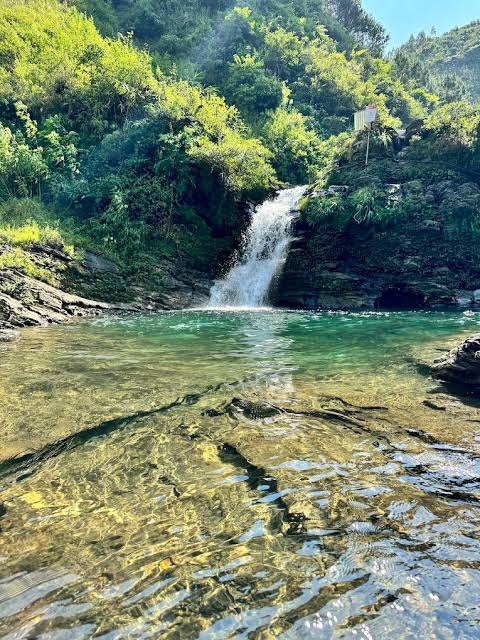
Du Gia Ha Giang
The waterfall flows into a natural pool where visitors can enjoy the cool mountain atmosphere. During warmer months, some travelers choose to swim when local conditions allow.
The amount of water can change depending on the season and recent rainfall. After heavy rain, currents may become stronger, the water may become cloudy, and rocks around the pool can become slippery.
Always check local advice before entering the water. Avoid jumping from rocks, swimming alone, or entering the pool when conditions are uncertain. If swimming is not suitable, you can still enjoy the scenery and take photographs from a safe area.
A visit to the waterfall is a good way to take a break from the road and appreciate the natural environment around the village.
One of the most enjoyable experiences in Du Gia is simply walking through the valley.
Unlike the rocky mountains around Dong Van, the landscape here is greener, with rice fields, small streams, agricultural plots, and traditional houses spread across the valley.
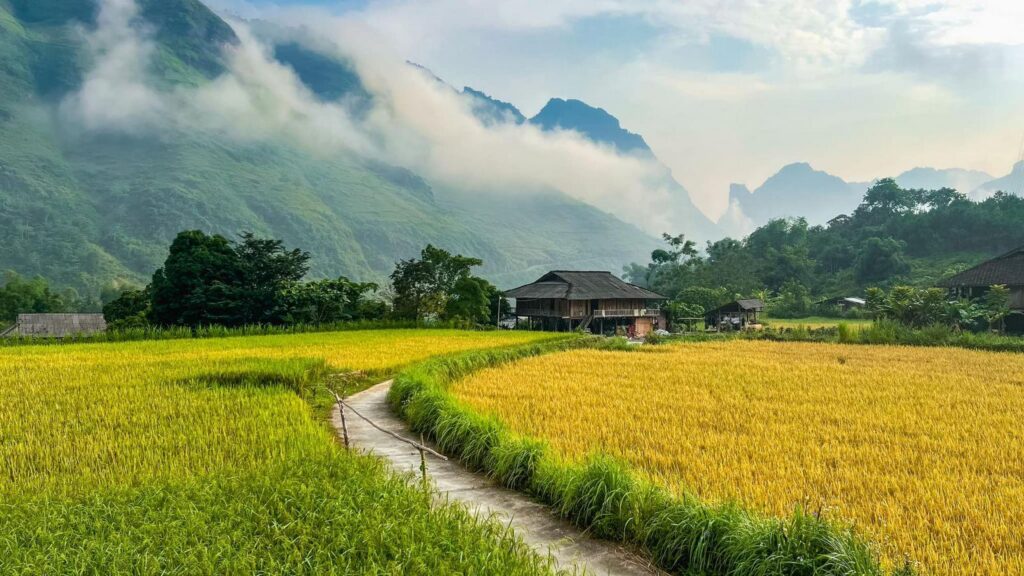
Du Gia Ha Giang
Early morning is particularly pleasant. Mist may appear above the fields, while the surrounding mountains create a peaceful backdrop for photography.
During the growing season, the fields become increasingly green. Around harvest time, usually in September and October depending on local conditions, some areas may turn golden.
Travelers do not need to follow a complicated sightseeing schedule to enjoy this part of the journey. A slow walk along established village roads can provide a closer look at everyday rural life.
Remember that rice fields are working agricultural land. Stay on public paths and avoid entering crops or private property when taking photographs.
Du Gia offers an opportunity to observe the daily activities of ethnic communities living in the northern mountains.
Traditional wooden houses, agricultural fields, small livestock areas, and family-run businesses are common sights around the settlements.
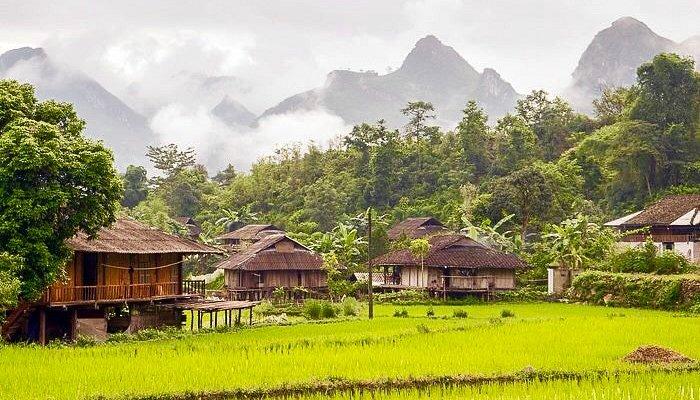
Du Gia Ha Giang
Walking through the village allows visitors to see how local residents work, prepare food, maintain their homes, and interact with their neighbors.
These everyday experiences can be just as memorable as visiting famous viewpoints. They also help travelers understand the connection between local communities and the surrounding natural environment.
When visiting, dress respectfully, ask permission before photographing people, and avoid entering private homes without an invitation.
A homestay is one of the best ways to experience Du Gia beyond a short sightseeing stop.
Many accommodation options are family-run, offering travelers a place to rest, enjoy local meals, and spend time in a relaxed village environment.
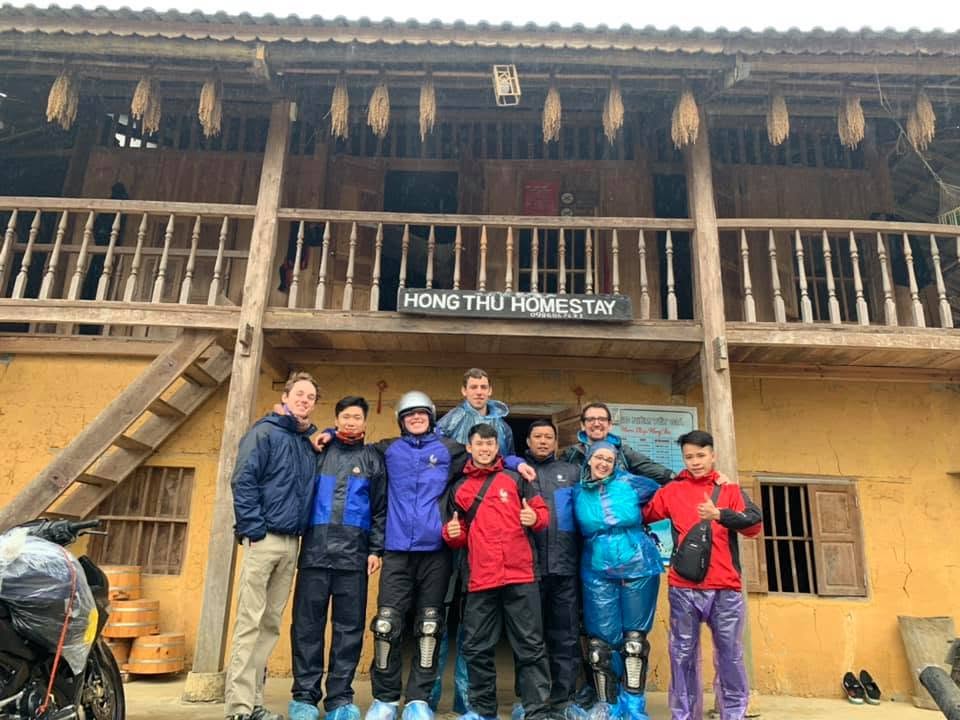
Du Gia Ha Giang
Evenings at homestays often bring travelers together around shared dining tables. You may meet people from different countries, exchange travel stories, and enjoy traditional dishes prepared by local hosts.
Some homestays are surrounded by rice fields or mountain views, making them particularly enjoyable in the morning.
Facilities vary between properties, so do not expect every homestay to provide the same level of comfort as a hotel. It is a good idea to check room types, bathroom arrangements, hot water, and available services before booking.
Local markets are an important part of life in the mountain communities around Du Gia.
Depending on the market schedule, visitors may see local residents gathering to trade vegetables, agricultural products, household items, clothing, and other goods.
The atmosphere offers a glimpse into the relationships between neighboring villages and the role of markets in everyday life.
Market schedules can vary, and published travel information does not always agree on the regular market day. If visiting a market is important to you, ask your homestay or local guide to confirm the schedule before planning your morning around it.
Arriving early is generally a good idea because trading activities often begin in the morning.
Each destination along the Ha Giang Loop has its own character.
Dong Van is known for its old quarter, historical attractions, and the dramatic limestone landscape of the karst plateau.
Meo Vac offers access to Ma Pi Leng Pass, the Nho Que River, local markets, and mountain communities.
Du Gia feels quieter and greener. Its valleys, rice fields, waterfalls, and homestays create a more relaxed atmosphere after several days of exploring the rocky highlands.
This contrast is one of the reasons why Du Gia is a valuable part of a longer Ha Giang Loop journey. It allows travelers to experience more than one type of landscape and understand the diversity of the region.
Du Gia can be visited throughout the year, but the scenery and travel conditions change with the seasons.
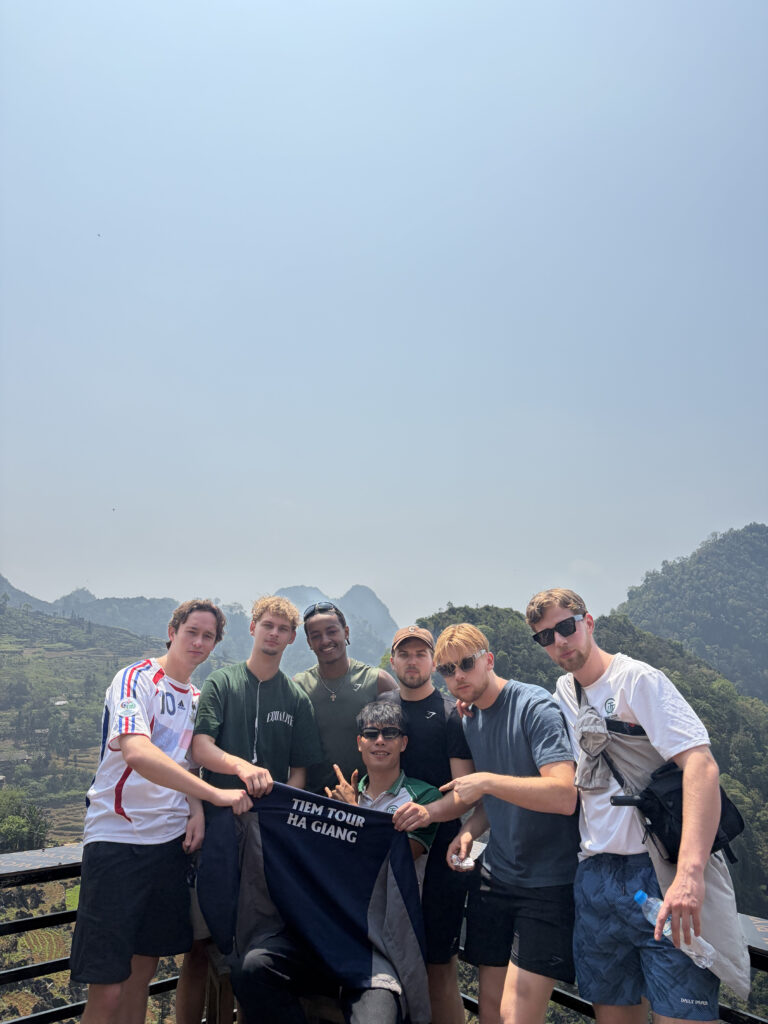
Du Gia Ha Giang
September to October is an attractive period for travelers who want to see rice fields during the harvest season. Some areas around the valley may turn golden, creating beautiful photography opportunities.
November to April generally brings cooler conditions. The landscape may be less green in some areas, but the weather can be pleasant for walking and exploring when visibility is good. Winter mornings and evenings can be cold.
May to August is the wetter period, when the surrounding vegetation becomes greener and waterfalls may have stronger flows. However, heavy rain can make mountain roads more difficult and increase risks around rivers and waterfalls.
For most travelers, the best time depends on the experience they prefer. If you want golden rice fields, consider the harvest season. If you enjoy lush green scenery and flowing water, the warmer months may be appealing, provided weather and safety conditions are suitable.
You can compare seasonal conditions in our Best Time to Visit Ha Giang Loop guide.
Du Gia is commonly included in the eastern section of the Ha Giang Loop, often after travelers pass through Meo Vac and Mau Due before returning toward Ha Giang City.
The exact route depends on the tour duration, road conditions, and overnight arrangements.
A three-day itinerary can include Du Gia as an overnight stop after exploring Dong Van, Ma Pi Leng Pass, and the Nho Que River area. However, the journey may feel quite full, leaving limited time to explore the village.
A four-day itinerary generally offers more flexibility. Travelers can spend additional time at scenic stops, enjoy the countryside, and avoid rushing through every destination.
If you are planning a longer trip, the Ha Giang Loop 4 Days 3 Nights Adventure Tour is an option to consider.
For travelers with less time, the Ha Giang Loop 3 Days 2 Nights Adventure Tour offers a shorter journey through the main highlights.
You can also use our Ha Giang Loop Map to understand how Du Gia connects with other destinations along the route.
Bring enough cash. Small homestays, local food stalls, and village businesses may not accept card payments. Keep some cash available for everyday expenses.
Check road conditions before traveling. Roads around Du Gia can include steep bends, uneven surfaces, and sections affected by rain or construction. Allow enough time for the journey.
Avoid arriving too late. Reaching the village during daylight gives you more time to check in, explore the surroundings, and enjoy your accommodation.
Pack suitable clothing. Mountain weather can change quickly. Bring a light rain jacket and warmer clothing for cooler mornings and evenings.
Be careful around waterfalls. Rocks can be slippery, and water levels may change after rainfall. Never assume a natural pool is safe for swimming or jumping.
Respect local communities. Ask before taking photographs, keep noise levels reasonable, and follow your host’s advice when visiting nearby villages.
Do not rush your stay. Du Gia is best enjoyed at a slower pace. Give yourself time to walk around, enjoy a local meal, and appreciate the surrounding landscape.
Exploring the Ha Giang Loop with a local team can make the journey more convenient, especially when traveling through mountain roads and smaller villages.
TIEMTOURS offers different tour durations and riding arrangements, allowing travelers to choose an experience that suits their schedule and preferences.
Small-group travel also creates opportunities to enjoy the journey at a comfortable pace while discovering local landscapes and cultural experiences along the route.
Before booking, check the detailed itinerary to understand which destinations, accommodation, meals, and activities are included. Stops may change depending on weather, road conditions, and local arrangements.
Visit TIEMTOURS to explore available Ha Giang adventures and find a route that gives you enough time to enjoy places such as Du Gia.
Du Gia is a mountainous destination in the former Ha Giang region of northern Vietnam. It is commonly included in the eastern section of the Ha Giang Loop.
Du Gia is best known for its green valley, rice fields, traditional villages, local homestays, and natural waterfall.
One night is suitable for most Ha Giang Loop travelers. Staying longer is a good option if you want more time for village walks, photography, or exploring the surrounding countryside.
Swimming may be possible when water conditions are suitable. However, currents, water levels, and slippery rocks can create risks. Always check local advice and avoid swimming after heavy rain or when conditions are uncertain.
September and October are generally attractive months for seeing rice fields during the harvest period, although the exact timing varies depending on local growing conditions.
Yes. Du Gia is commonly included in three-day and four-day Ha Giang Loop itineraries, usually as an overnight stop before returning toward Ha Giang City.
Yes. Visitors can enjoy Du Gia through an organized tour, an experienced local driver, or independent travel with suitable preparation. Those without experience on mountain roads should consider a professional driver rather than riding themselves.
Du Gia Ha Giang offers a peaceful contrast to the dramatic mountain passes and rocky landscapes of the northern highlands. Its green valleys, waterfalls, traditional villages, and welcoming homestays make it a memorable stop on the Ha Giang Loop.
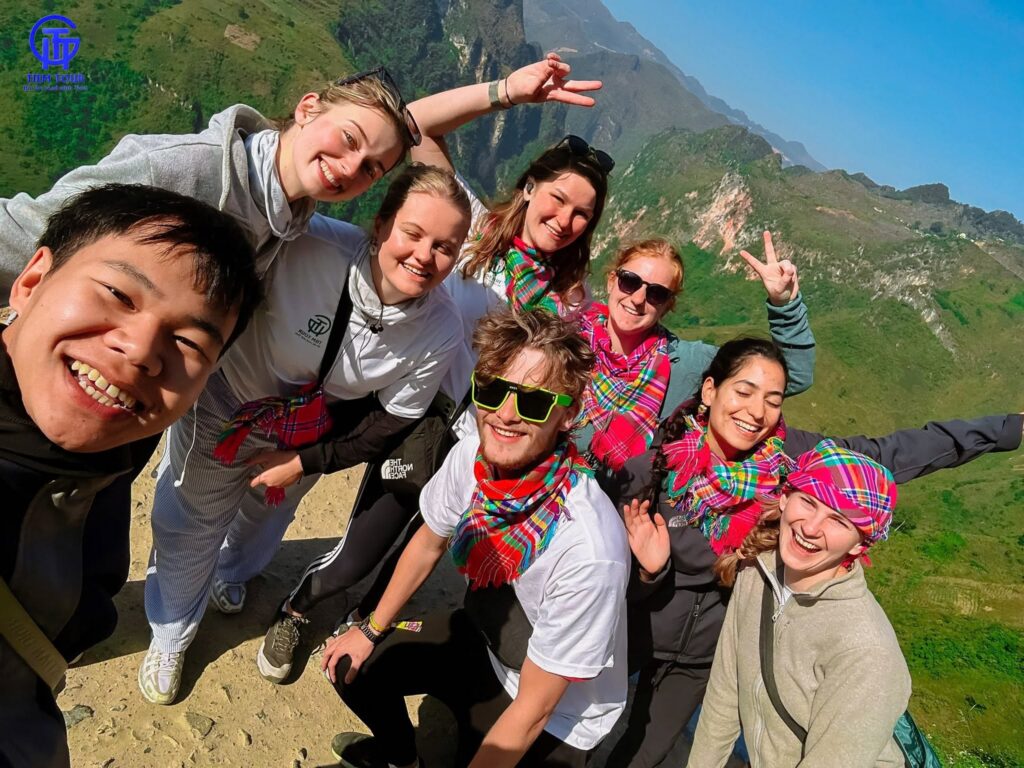
Du Gia Ha Giang
Instead of rushing through the village, take time to enjoy the countryside and experience local life. Visit TIEMTOURS to plan your journey and discover the quieter beauty of northern Vietnam.
Ha Giang Loop experience
18/11/2026
Ha Giang Loop experience
18/11/2026
Ha Giang Loop experience
16/11/2026
Ha Giang Loop experience
13/11/2026
Ha Giang Loop experience
13/11/2026
Ha Giang Loop experience
13/11/2026
Ha Giang Loop experience
11/11/2026
Ha Giang Loop experience
11/11/2026
Ha Giang Loop experience
09/11/2026
Ha Giang Loop experience
09/11/2026