Ha Giang Loop experience
18/11/2026
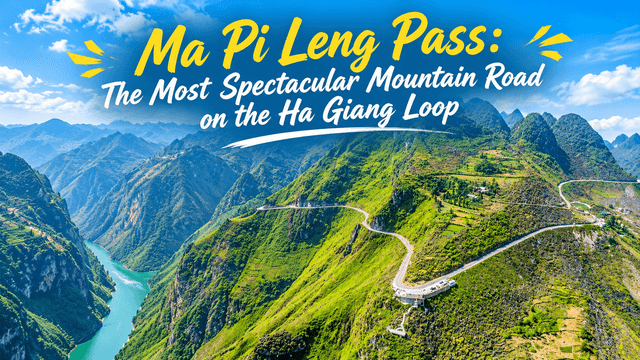
Ma Pi Leng Pass: The Most Spectacular Mountain Road on the Ha Giang Loop
Share


Summary of content
The Ha Giang Buckwheat Flower Festival is one of the most distinctive cultural and tourism events in northern Vietnam. Held during the flowering season, the festival celebrates the beauty of buckwheat flowers while introducing visitors to the traditions, food, music, and everyday life of ethnic communities on the Dong Van Karst Plateau.
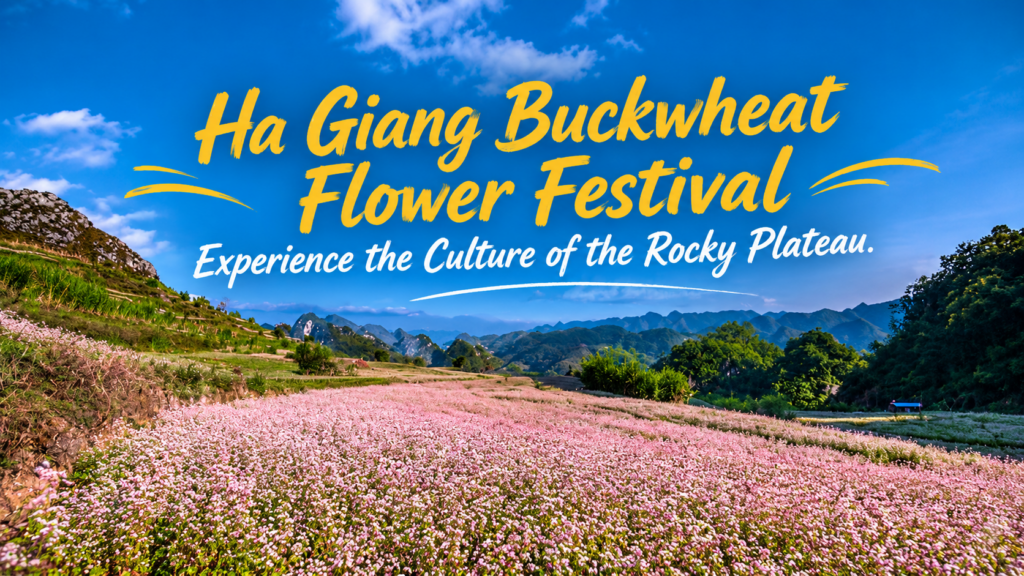
Ha Giang Buckwheat Flower Festival
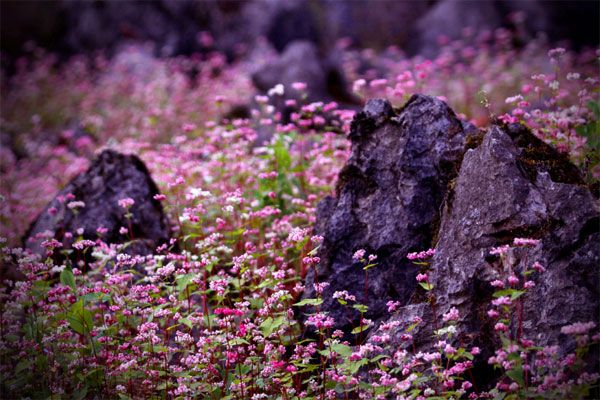
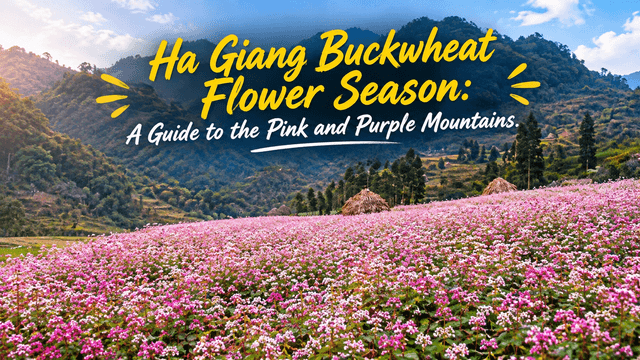
Every autumn, the mountain landscape gradually changes as buckwheat flowers appear across valleys and hillsides. Their delicate white, pink, and purple colors create a beautiful contrast with the region’s rugged limestone mountains. Around this time, visitors can enjoy cultural performances, traditional games, local food, handicrafts, and seasonal tourism activities.
For travelers exploring the Ha Giang Loop, the festival offers more than an opportunity to take photographs of flower fields. It is also a chance to understand the cultural identity of the highlands and experience the region beyond its famous mountain roads.
The Ha Giang Buckwheat Flower Festival is an annual event celebrating buckwheat flowers and the cultural heritage of communities living on the Dong Van Karst Plateau.
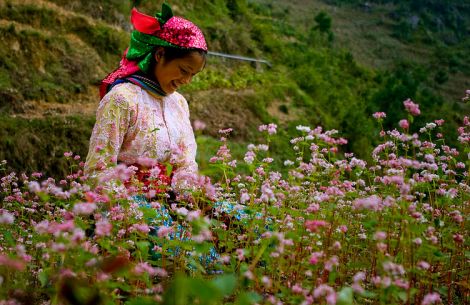
Ha Giang Buckwheat Flower Festival
The festival was first organized in 2015 to promote the region’s natural landscapes, traditional culture, and tourism potential. Since then, it has become an important seasonal event that attracts both Vietnamese and international visitors.
Buckwheat, known locally as tam giác mạch, is closely connected to agricultural life in the northern mountains. The plant can grow in rocky conditions where other crops may be difficult to cultivate. Its seeds are also used to make traditional foods, giving it both cultural and practical importance for local communities.
Today, the flower has become one of the recognizable symbols of Ha Giang. The festival brings together seasonal flower viewing, cultural performances, local products, and community-based tourism.
The event is generally associated with Dong Van and surrounding areas, although the exact program and locations may vary from year to year.
The festival is usually organized during the buckwheat flowering season, which generally runs from October to December. The main opening ceremony and major activities often take place around late October or November.
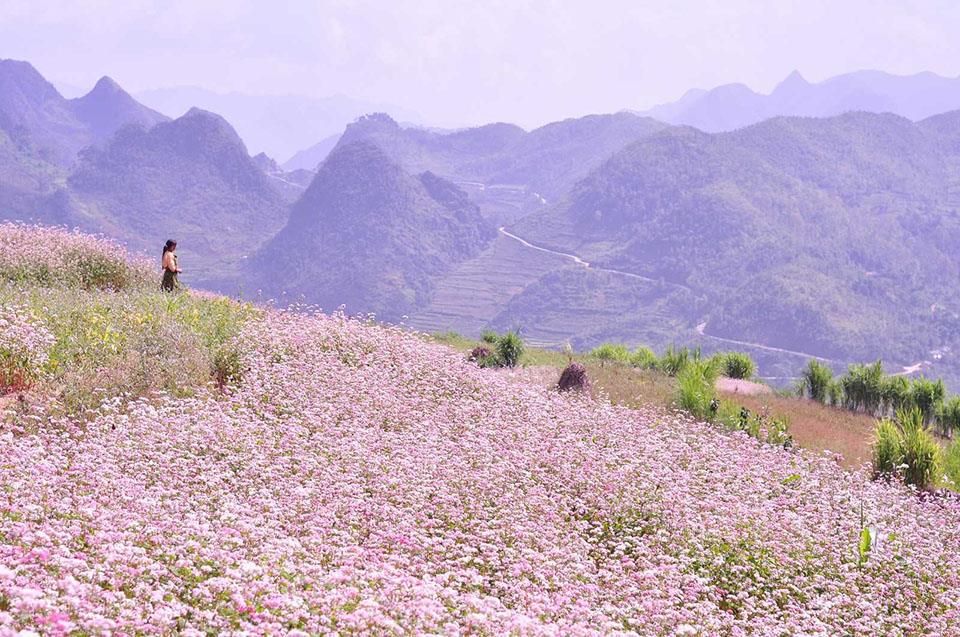
Ha Giang Buckwheat Flower Festival
However, the exact dates are not fixed every year. Local authorities may announce a different opening date, theme, and activity schedule depending on the annual tourism program.
The flowers themselves do not all bloom at the same time. Fields are planted in different periods, so visitors may find flowers in one area while other fields are still developing.
If you want to understand the difference between the event and the flowering period, read our guide to the Ha Giang Buckwheat Flower Season, which explains the best months, flower-viewing locations, and seasonal travel conditions.
Before traveling, check local announcements or ask your accommodation and tour operator about the latest festival schedule.
The Ha Giang Buckwheat Flower Festival combines cultural performances, traditional activities, food experiences, and tourism events. The program changes each year, but several types of activities are commonly associated with the celebration.
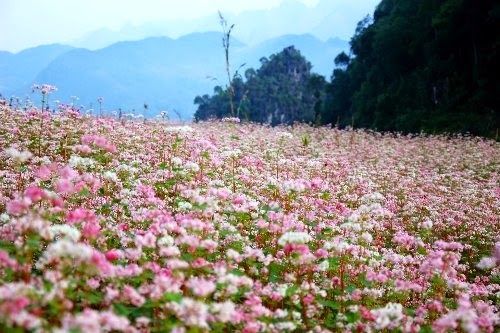
Ha Giang Buckwheat Flower Festival
Traditional music and dance are important parts of the festival atmosphere. Visitors may have opportunities to watch performances featuring local instruments, traditional costumes, and cultural expressions from ethnic communities in the region.
The Hmong people are particularly associated with the cultural identity of the Dong Van Plateau. Their traditional clothing, music, and customs are part of the experiences that make the highlands distinctive.
Depending on the annual program, performances may take place at the main festival venue or in public spaces around Dong Van.
These events give visitors an opportunity to appreciate local traditions rather than experiencing Ha Giang only through its scenery.
Traditional games are another way the festival introduces visitors to highland culture.
Depending on the program, activities may include folk games, community competitions, and demonstrations of traditional skills. Visitors can watch local participants, learn about the meaning of certain customs, and sometimes take part in selected activities.
These experiences are especially interesting for travelers who want to interact with local culture in a more engaging way.
Remember that not every activity is available every year. Check the official schedule before planning your visit around a particular performance or competition.
The festival also provides opportunities to discover handicrafts and products made by local communities.
Visitors may find displays of traditional textiles, brocade embroidery, hemp weaving, indigo dyeing, and other handmade products. These crafts reflect skills passed down through generations and remain an important part of local cultural identity.
Buying locally made products can also support small businesses and households in the highland communities.
Instead of treating these displays simply as shopping opportunities, take time to learn how the products are made and what makes each craft meaningful to the people who create it.
Food is another highlight of the festival. Buckwheat is not only admired for its flowers but is also used in traditional dishes and local products.
Depending on what is available, visitors may find buckwheat cakes, buckwheat noodles, porridge, and other regional specialties. Some local areas also produce buckwheat-based drinks.
Trying these dishes is a good way to experience the connection between agriculture and daily life in the mountains.
Beyond buckwheat products, travelers can explore other regional foods such as thang co, grilled meats, local vegetables, and traditional highland dishes.
If you are interested in discovering more about the region’s food culture, explore the local experiences available through TIEMTOURS.
Of course, buckwheat flowers remain at the center of the celebration.
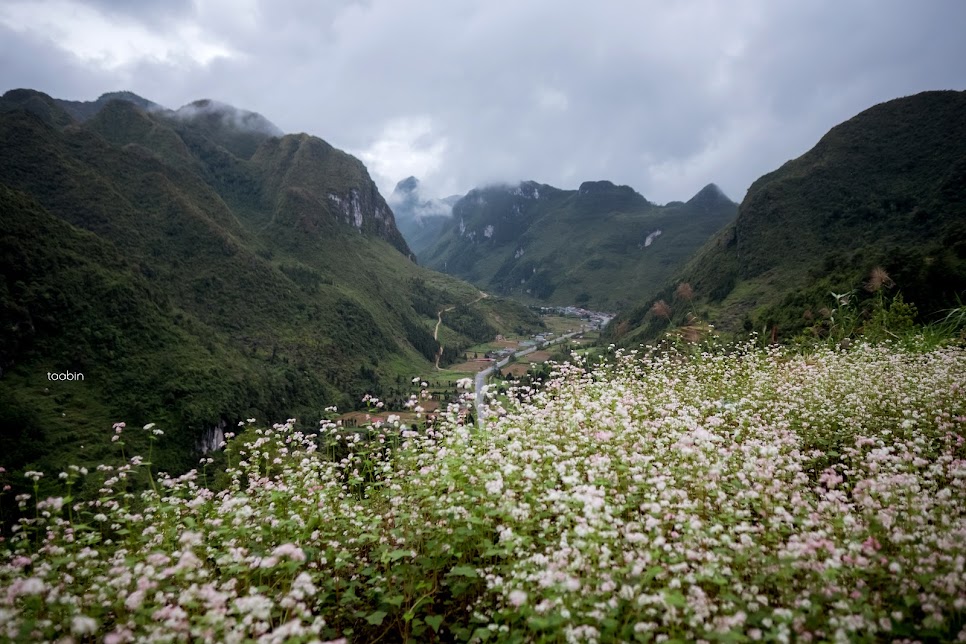
During the flowering season, visitors can explore fields around Dong Van, Sung La, Lung Cam, Sa Phin, and other areas of the plateau. The flowers create colorful scenery against the limestone mountains and traditional villages.
Some flower gardens are prepared specifically for visitors and photography. Others are agricultural fields, so travelers should respect local farmers and avoid damaging crops.
For photography, early morning and late afternoon often provide softer natural light. Including traditional houses, stone fences, and mountain views can also help capture the character of the region.
The festival is closely connected to the landscapes and communities of the Dong Van Karst Plateau. While the main events may take place in a designated venue, several nearby destinations are worth adding to your itinerary.
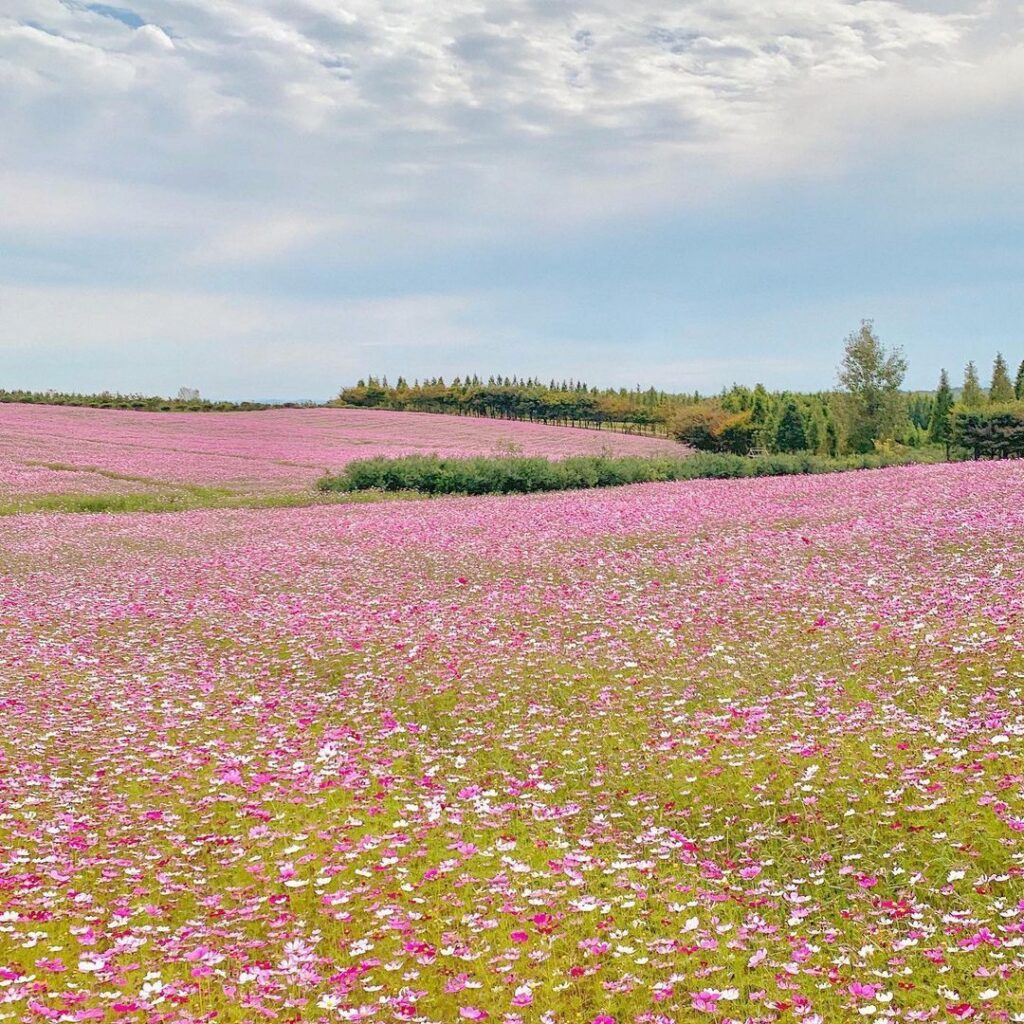
Ha Giang Buckwheat Flower Festival
Dong Van Ancient Town is one of the most convenient places to experience the festival atmosphere.
Its traditional architecture, old houses, and lively streets create a different feeling from the quiet mountain villages along the Loop. During the festival period, the area may host cultural activities, food stalls, exhibitions, or special seasonal events.
In the evening, visitors can walk around the old town, enjoy local food, and experience the atmosphere after a day of exploring the mountains.
Sung La Valley is one of the best-known places for buckwheat flower viewing. The valley is surrounded by limestone mountains and traditional houses, making it an attractive stop during the flowering season.
Nearby, Lung Cam Cultural Village offers a closer look at traditional Hmong architecture and local life. Visitors can explore the village, observe its distinctive houses, and learn more about the cultural heritage of the area.
These destinations are especially suitable for travelers who want to combine flower photography with cultural exploration.
Lung Cu Flag Tower is a famous landmark in northern Vietnam and a popular stop on the Ha Giang Loop.
The journey to the flag tower passes through dramatic mountain scenery and small highland settlements. During the flowering season, visitors may also find buckwheat fields in nearby areas, depending on local planting schedules.
A visit to Lung Cu provides a combination of scenic viewpoints, cultural experiences, and opportunities to understand the geography of the northern border region.
Ma Pi Leng Pass is one of the most spectacular mountain roads in Ha Giang. Its winding route offers dramatic views over deep valleys and limestone peaks.
Nearby, the Nho Que River flows through the famous Tu San Canyon, creating one of the region’s most memorable landscapes.
These destinations are not necessarily festival venues, but they are excellent additions to a trip during the flowering season. Visitors can combine the cultural atmosphere of Dong Van with the natural scenery of Ma Pi Leng and the river.
For a better understanding of the route and its main attractions, see our guide to the Ha Giang Loop Route.
Attending the festival can be part of a wider journey through the northern mountains. Instead of traveling only to the main event, you can plan a Ha Giang Loop itinerary that includes flower fields, traditional villages, scenic passes, and local cultural experiences.
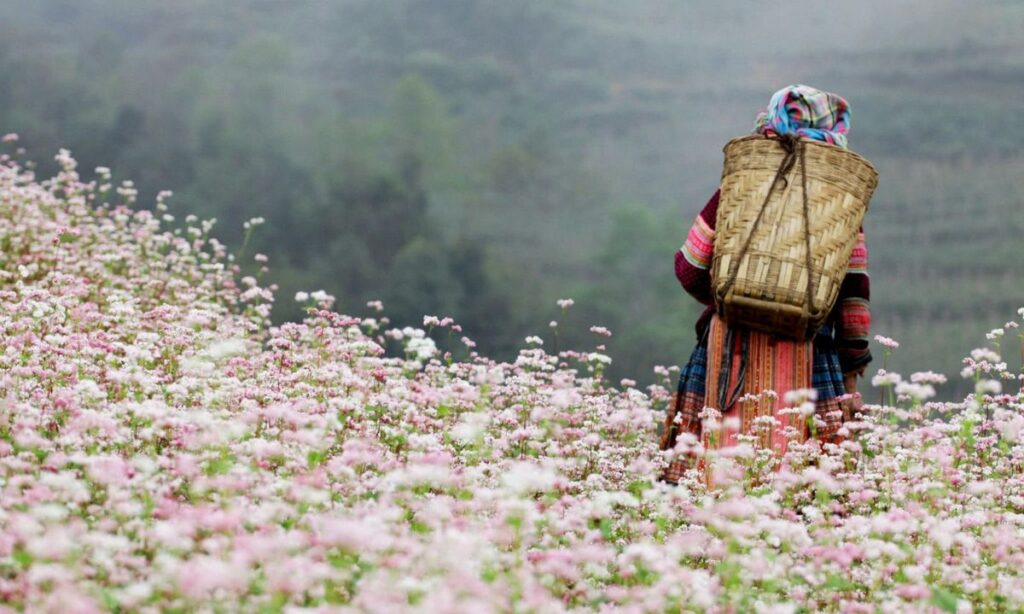
Ha Giang Buckwheat Flower Festival
A three-day or four-day itinerary is a practical option for many travelers who want to visit the main attractions around the Dong Van Plateau.
A three-day trip is suitable for travelers with limited time who want to experience the highlights of the Loop. A four-day itinerary provides more flexibility for visiting villages, stopping at viewpoints, and exploring the area without rushing.
You can compare the Ha Giang Loop 3 Days 2 Nights Adventure Tour with the Ha Giang Loop 4 Days 3 Nights Adventure Tour to find an itinerary that fits your schedule.
There are different ways to experience the Ha Giang Loop.
Self-riding gives experienced motorbike travelers more independence, while an Easy Rider option allows visitors to sit behind an experienced local driver.
Travelers can also choose to sit behind a friend who is confident and qualified to ride.
During the festival period, some popular destinations may become busier than usual. If you are unfamiliar with mountain roads, having an experienced local driver can make the journey more comfortable.
Before deciding, read our comparison of Self-Riding vs Easy Rider on the Ha Giang Loop.
The festival attracts visitors to Dong Van and surrounding areas, especially around the main opening events and weekends.
Accommodation in popular locations may become busy, so booking in advance is recommended. Allow enough time for traveling between destinations because mountain roads can be slower than expected.
Starting your daily journey early can also help you avoid some of the busiest periods at popular viewpoints.
October to December is generally a cooler period in Ha Giang. Mornings and evenings can be cold, particularly in higher areas such as Dong Van.
Bring a warm jacket, comfortable clothing, and suitable footwear. If you are traveling by motorbike, a windproof outer layer and gloves can make the journey more comfortable.
You should also check the weather and road conditions before each travel day. Fog and rain can affect visibility on mountain roads.
For more seasonal planning advice, read our Best Time to Visit Ha Giang Loop guide.
A little preparation can help you enjoy the festival without unnecessary stress.
Ha Giang Buckwheat Flower Festival
Check the annual schedule before traveling. The opening ceremony, performance times, and additional activities may change from one year to another. Do not rely entirely on old festival announcements.
Book accommodation early. Dong Van and nearby destinations can become busy during major festival events, particularly on weekends.
Bring enough cash. Small food stalls, local markets, and some community-based services may not accept card payments.
Respect local customs. Ask before photographing residents, especially children, and follow local instructions when visiting villages or cultural spaces.
Protect the flower fields. Stay on designated paths and avoid stepping on flowers or crops. Some fields are part of local agricultural production.
Keep your itinerary flexible. Weather, road conditions, and event schedules may affect your plans. Leaving extra time between stops can make the trip more enjoyable.
Explore beyond the main event. The festival is only one part of the experience. Traditional villages, local markets, mountain passes, and regional food are also worth your time.
The festival is generally organized between October and November, during the buckwheat flowering season. Exact dates and activity schedules vary each year.
The festival is associated with the Dong Van Karst Plateau, with Dong Van serving as an important event location. Additional activities and flower-viewing experiences may take place in surrounding areas.
Admission arrangements may depend on the event and activity. Some public festival activities may be free, while certain flower gardens or individual attractions may charge separate entrance fees. Check locally before visiting.
Depending on the annual program, visitors may enjoy traditional music, cultural performances, folk games, handicraft displays, local food, exhibitions, and seasonal flower-viewing activities.
Yes. The festival can be combined with a three-day or four-day Ha Giang Loop itinerary. This allows you to experience the cultural event while visiting scenic destinations such as Sung La, Lung Cu, Ma Pi Leng Pass, and the Nho Que River.
The Ha Giang Buckwheat Flower Festival is a meaningful way to experience the culture and natural beauty of northern Vietnam. Beyond the seasonal flowers, the event brings attention to the traditions, food, handicrafts, and everyday lives of communities on the Dong Van Karst Plateau.
Ha Giang Buckwheat Flower Festival
Whether you come for the cultural performances, local food, or colorful flower fields, the festival offers a different perspective on the Ha Giang Loop. Plan your dates carefully, leave time to explore the surrounding villages, and take the opportunity to experience the region at a slower pace.
If you are planning to visit Ha Giang during the festival season, explore the available journeys at TIEMTOURS and choose a Ha Giang Loop adventure that suits your travel schedule.
Ha Giang Loop experience
18/11/2026
Ha Giang Loop experience
18/11/2026
Ha Giang Loop experience
16/11/2026
Ha Giang Loop experience
16/11/2026
Ha Giang Loop experience
13/11/2026
Ha Giang Loop experience
13/11/2026
Ha Giang Loop experience
13/11/2026
Ha Giang Loop experience
11/11/2026
Ha Giang Loop experience
09/11/2026
Ha Giang Loop experience
09/11/2026