Ha Giang Loop experience
18/11/2026
Ma Pi Leng Pass: The Most Spectacular Mountain Road on the Ha Giang Loop
Share


Summary of content
Ha Giang Loop in Spring offers a different perspective on northern Vietnam, when mountain landscapes begin to change after winter and local communities enter a new season of daily activities. From green valleys and blooming trees to traditional villages and winding mountain roads, spring brings a fresh atmosphere to one of Vietnam’s most memorable road trips.
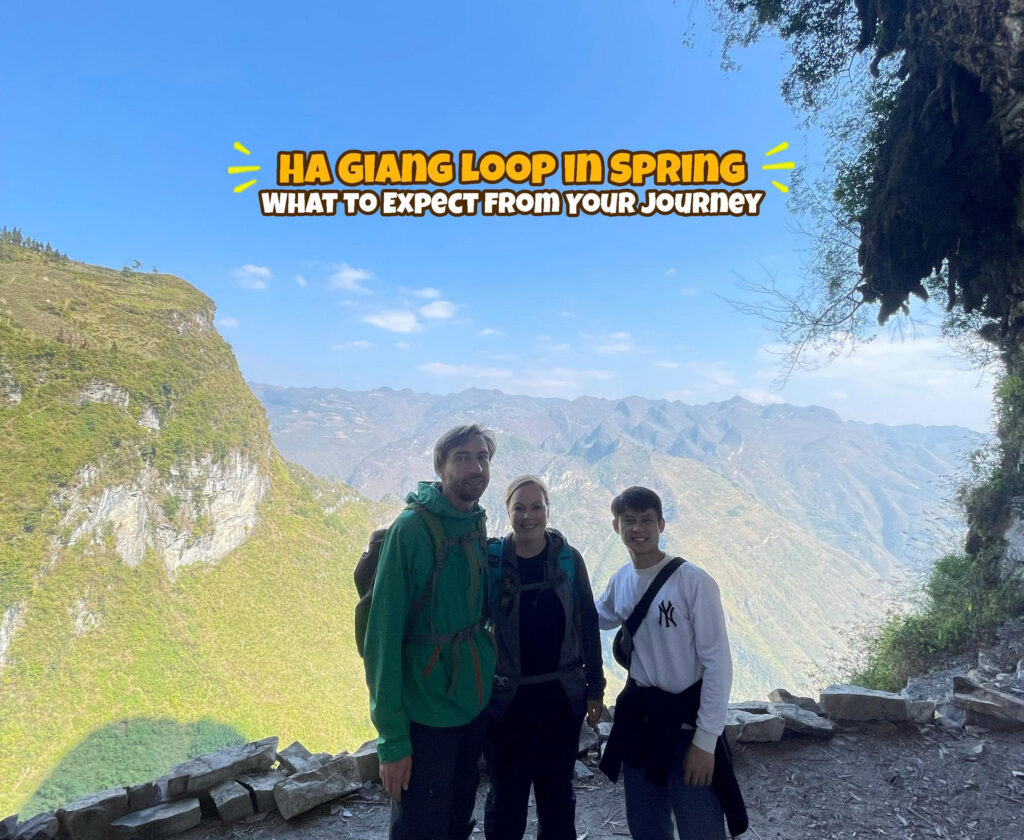
Ha Giang Loop In Spring
For travelers who want to experience more than just the famous viewpoints, spring can be a rewarding time to explore Ha Giang. The journey combines natural scenery, local culture, mountain passes, and opportunities to learn about the everyday lives of ethnic communities across the region.
Spring in Ha Giang generally covers March, April, and May. During this period, the landscape gradually changes from the colder winter environment into a greener and more active season.
Ha Giang Loop in Spring
The weather can vary depending on altitude and location. Some mountain areas remain cool, particularly in the early morning and evening, while lower valleys may feel warmer during the day. Travelers should expect changing conditions rather than a consistently warm climate.
One of the most noticeable differences is the landscape. Trees begin producing fresh leaves, hillsides become greener, and some areas still display seasonal flowers. Agricultural activities also become more visible as local families prepare their fields for the growing season.
This combination of changing scenery and everyday mountain life makes spring an interesting time to experience the Ha Giang Loop.
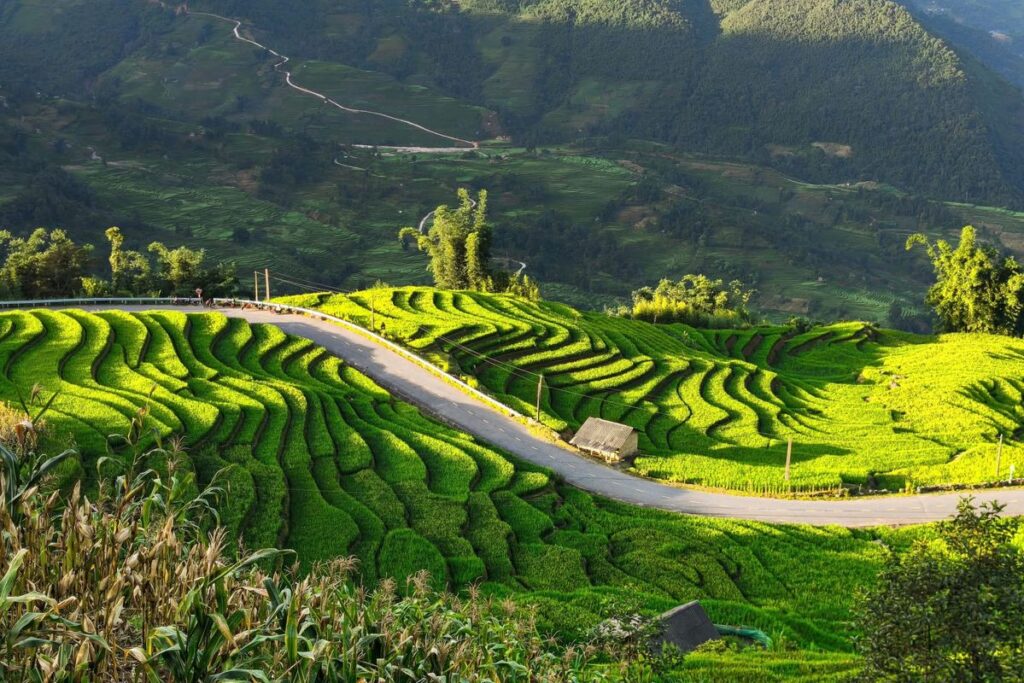
After winter, parts of Ha Giang gradually develop a fresher appearance. Green vegetation returns to hillsides, trees grow new leaves, and valleys become more colorful.
Ha Giang Loop in Spring
The scenery changes throughout the journey. One moment, you may be riding along a mountain road surrounded by rocky slopes; a little later, the road may open toward a green valley with small villages scattered across the landscape.
The Dong Van Karst Plateau offers a particularly different experience from the greener valleys. Its limestone mountains, steep slopes, and distinctive rock formations remain impressive throughout the year, creating a strong contrast with the vegetation of spring.
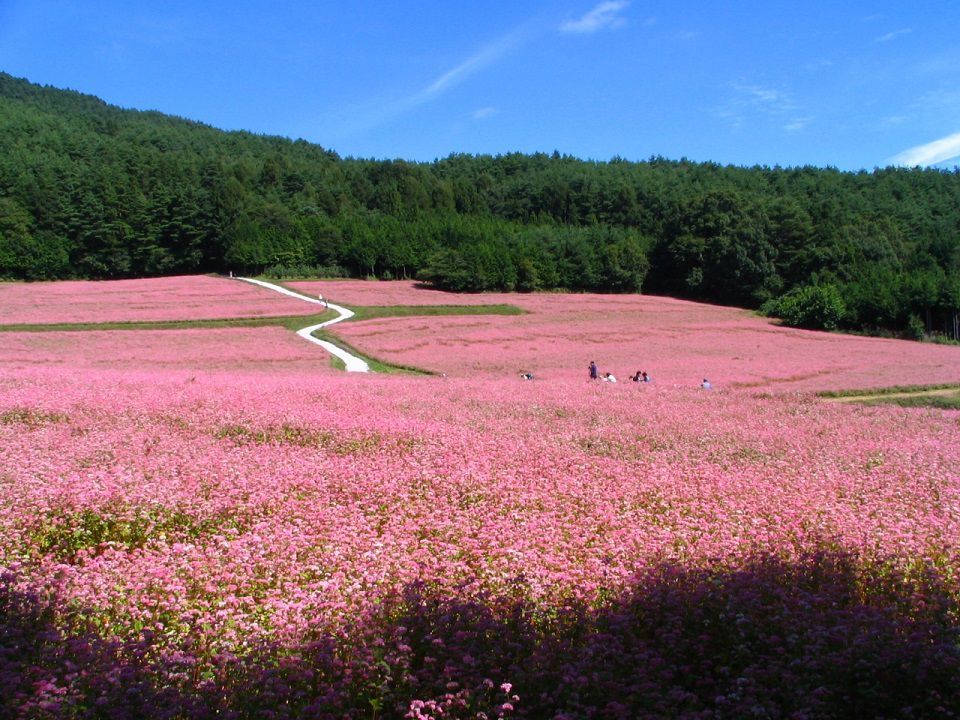
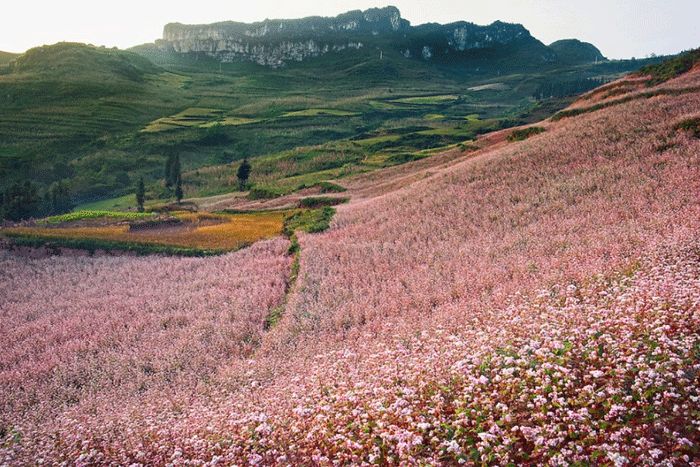
Spring is also associated with seasonal flowers in northern Vietnam. Depending on the location and weather, travelers may see peach blossoms, plum blossoms, or other flowers around villages and hillsides.
Ha Giang Loop in Spring
However, flowering periods do not follow an exact schedule every year. Some blossoms may appear earlier or later depending on temperature and local conditions. It is better to enjoy them as part of the seasonal scenery rather than plan an entire trip around a guaranteed flowering date.
Beyond the flowers, traditional villages offer another reason to explore the region. Houses built from stone, traditional wooden structures, small courtyards, and mountain farms reveal how local communities adapt to the surrounding landscape.
Spring is not only about scenery. It is also a season when visitors can observe more of the daily routines of local communities.
Depending on the route and timing, you may see farmers working in the fields, families preparing agricultural land, or villagers traveling between nearby markets. These ordinary moments can make the journey feel more personal and meaningful.
Local markets are especially worth visiting when your itinerary allows enough time. They are places where people exchange goods, meet friends, buy food, and maintain connections between villages.
If you want to understand more about the region, take time to observe these activities rather than treating every stop as a quick photo opportunity.
The Dong Van Karst Plateau is one of the most distinctive landscapes along the Ha Giang Loop. Its limestone formations, mountain villages, and winding roads create a dramatic environment that is different from the greener valleys elsewhere in the region.
Spring is a good opportunity to appreciate the contrast between the rocky landscape and the vegetation returning to the surrounding hills.
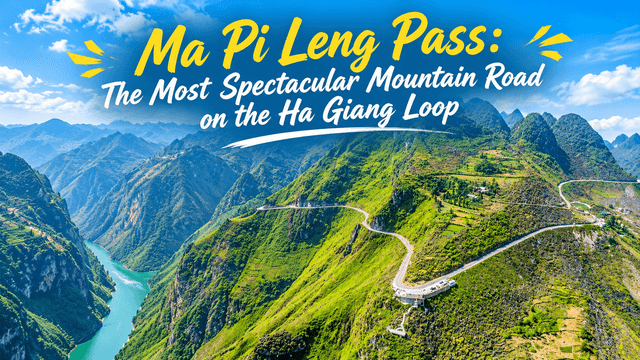
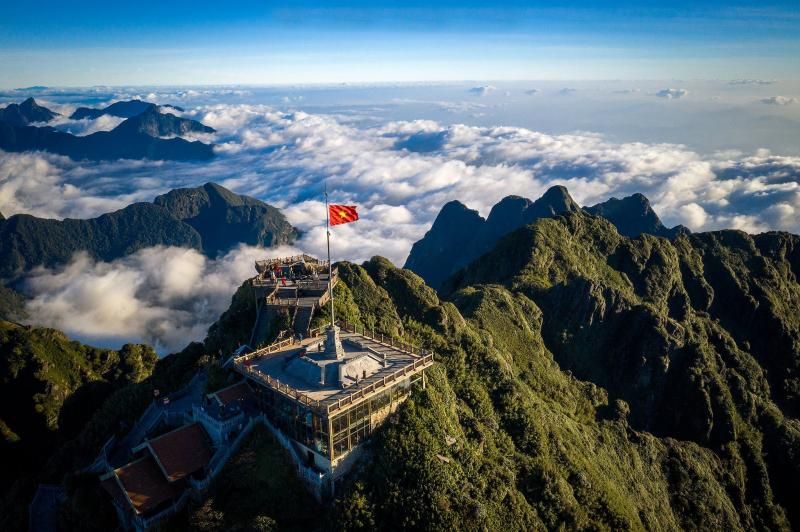
Ma Pi Leng Pass is one of the most memorable sections of the journey. The road follows steep mountain slopes and provides impressive views over deep valleys and the surrounding limestone mountains.
Spring conditions can make the scenery feel particularly fresh, although clouds and mist may sometimes reduce visibility. Travelers should take their time along this section and avoid stopping in unsafe places for photographs.
The Nho Que River runs through the dramatic Tu San Canyon, creating one of the most recognizable landscapes in Ha Giang.
A boat trip on the river offers a different perspective from the mountain roads above. Instead of looking down into the valley, visitors can experience the towering canyon walls from the water.
If the weather and operating conditions are suitable, this can be a memorable addition to a spring itinerary.
Ha Giang is home to several ethnic communities, each with distinctive cultural traditions and ways of life. Visiting local villages can help travelers understand more about the region beyond its natural attractions.
When exploring residential areas, remember that these are people’s homes, not simply tourist attractions. Ask before photographing residents, respect private spaces, and avoid disturbing daily activities.
Spring weather in Ha Giang can be pleasant for outdoor exploration, but conditions are not always predictable.
Temperatures vary according to elevation, and mountain weather can change quickly. A sunny morning may be followed by clouds, mist, or light rain later in the day.
Ha Giang Loop in Spring
Travelers should prepare for several possible conditions:
Cool mornings and evenings: Mountain temperatures can feel noticeably colder than those in Hanoi or other lowland cities. A warm layer is useful, especially when starting the ride early.
Mild daytime conditions: Daytime weather can be comfortable for sightseeing and exploring villages, although sunny sections may feel warmer.
Occasional rain: Rain can affect visibility and make mountain roads slippery. Checking the forecast before departure is important.
Changing visibility: Fog and low clouds may appear in higher areas, particularly around mountain passes. These conditions can affect both the views and riding safety.
For more detailed seasonal information, read our guide to Ha Giang Loop weather safety.
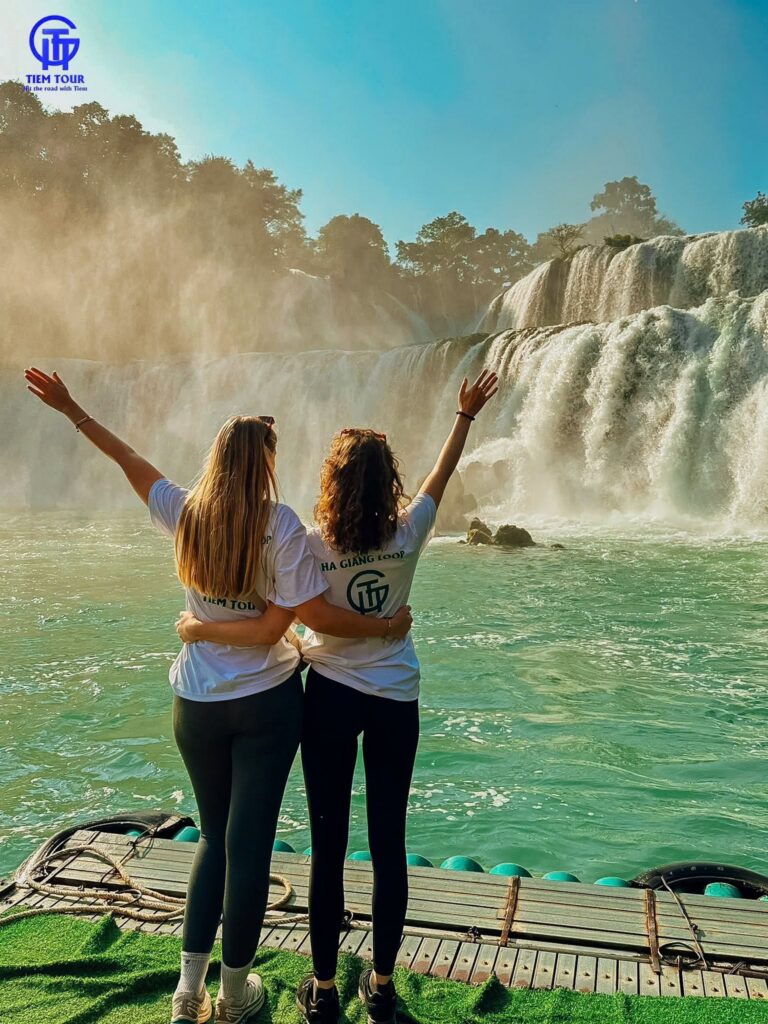
Spring can be a good time to visit, especially for travelers who enjoy changing landscapes, outdoor activities, and cultural experiences.
Ha Giang Loop in Spring
However, whether it is the right season depends on what you want from the trip.
If you prefer cooler conditions and the atmosphere of mountain villages, spring may suit your travel style. If you are mainly interested in golden rice terraces or the most colorful autumn scenery, another season may be more suitable.
It is also important to remember that Ha Giang is a mountainous destination. Weather, road conditions, and visibility can change regardless of the season.
Instead of choosing a travel date based only on photographs, consider your available time, riding experience, preferred activities, and comfort with changing weather.
The number of days you need depends on how much of the region you want to explore.
A shorter journey can cover the main highlights, while a longer trip gives you more time for villages, viewpoints, and less rushed stops.
For travelers with limited time, a 3 Days 2 Nights Ha Giang Loop tour is a practical way to experience the main route.
If you prefer a slower journey with more opportunities to enjoy the scenery, a 4 Days 3 Nights Ha Giang Loop tour gives you additional time on the road.
For travelers interested in exploring beyond Ha Giang, longer routes can combine the Loop with Cao Bang and other destinations in Northeast Vietnam.
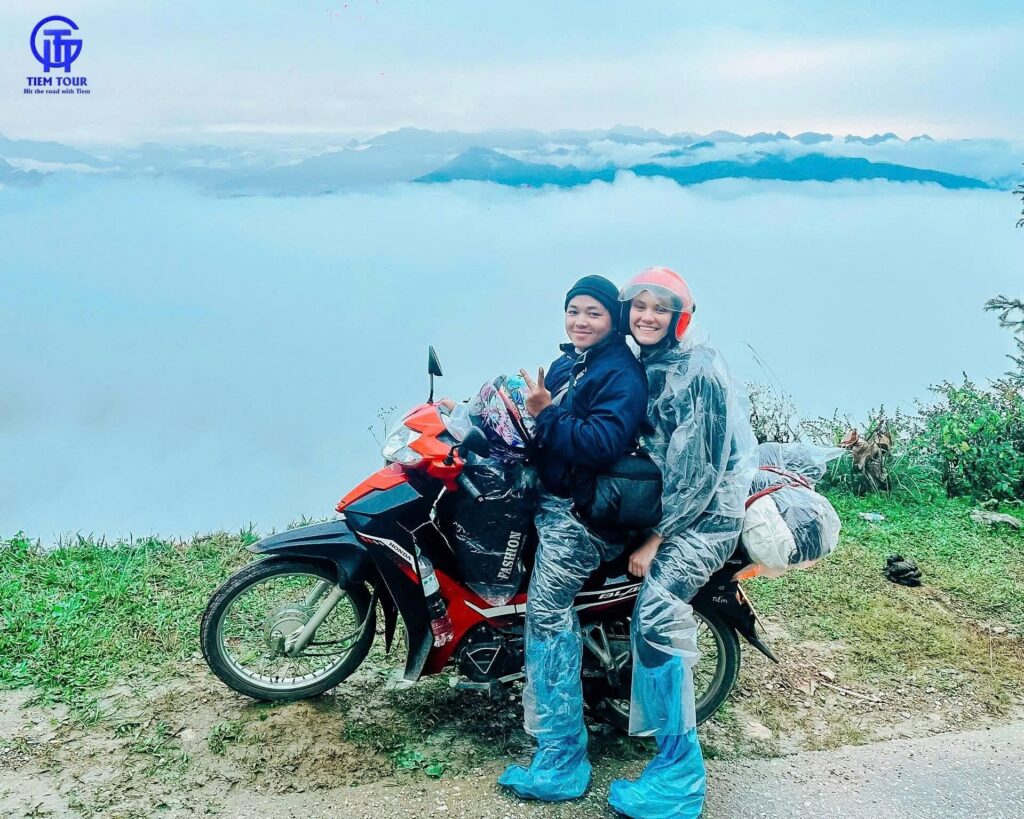
Your riding option can influence how you experience the Ha Giang Loop in spring.
If you have a valid license, suitable riding experience, and feel confident handling a motorbike on mountain roads, riding by yourself may give you more independence. You can enjoy the journey at your own pace while following the planned route and group arrangements.
Ha Giang Loop in Spring
However, mountain roads require attention and careful riding. Wet surfaces, sharp turns, steep sections, and changing visibility can make the journey challenging, particularly for inexperienced riders.
An Easy Rider option allows you to sit behind an experienced local driver. This can be a suitable choice if you want to focus on the scenery, take photographs, and enjoy the journey without handling the motorbike yourself.
You can learn more about the differences in our guide to Self-Riding vs Easy Rider on the Ha Giang Loop.
Packing for spring means preparing for both mild daytime weather and cooler mountain conditions.
A practical packing list includes:
Light jacket: Useful for early mornings, evenings, and higher mountain areas.
Comfortable clothing: Choose clothes that allow you to move easily during long periods on the road.
Waterproof jacket: Helpful when unexpected rain appears.
Comfortable shoes: Suitable for walking around villages, viewpoints, and uneven paths.
Sunscreen and sunglasses: Useful during sunny periods, especially at exposed viewpoints.
Small personal bag: Keep essential items accessible without carrying unnecessary luggage.
Personal medication: Bring any basic medication or personal supplies you may need during the journey.
Avoid overpacking. Most travelers will spend a significant amount of time moving between destinations, so keeping luggage manageable makes the trip more comfortable.
A little preparation can make your spring journey much easier.
Check the weather before departure. Look at forecasts for the mountain areas along your route rather than relying only on the weather in Hanoi or Ha Giang City.
Allow enough time for each stop. The Loop is not just about reaching the next destination. Give yourself time to enjoy viewpoints, villages, and local experiences.
Avoid rushing through mountain passes. Even when the weather looks clear, sharp turns and steep roads require careful attention.
Bring enough cash. Some small shops and local businesses may not accept card payments, particularly in remote areas.
Respect local customs. Ask permission before taking photographs of people or entering private spaces.
Choose a suitable riding option. Be honest about your riding ability and do not feel pressured to ride independently if you are not confident.
For more information about preparing for the journey, see our Ha Giang Loop Complete Guide.
Yes. Spring offers changing mountain landscapes, seasonal flowers, and opportunities to experience local village life. However, weather conditions can vary, so travelers should prepare for both cool temperatures and occasional rain.
Spring generally covers March, April, and May. The exact weather and landscape can differ from one month to another and may change depending on the year.
Rain is possible, particularly as the season progresses toward summer. Conditions vary by location and year, so checking the forecast before departure is recommended.
Yes. Some areas may have seasonal flowers, including peach and plum blossoms, depending on the timing and local conditions. Flowering periods are not fixed, so sightings cannot be guaranteed.
Beginners can experience the Loop, but riding independently requires proper skills, legal documentation, and confidence on mountain roads. Travelers without sufficient experience may prefer an Easy Rider option.
Three to four days is a practical choice for many travelers. A longer itinerary is better if you want to explore additional destinations and enjoy a less rushed journey.
Ha Giang Loop in Spring is a journey through a landscape that is gradually coming back to life. Fresh greenery, seasonal flowers, traditional villages, and mountain roads create an experience that goes beyond simply visiting famous viewpoints.
Ha Giang Loop in Spring
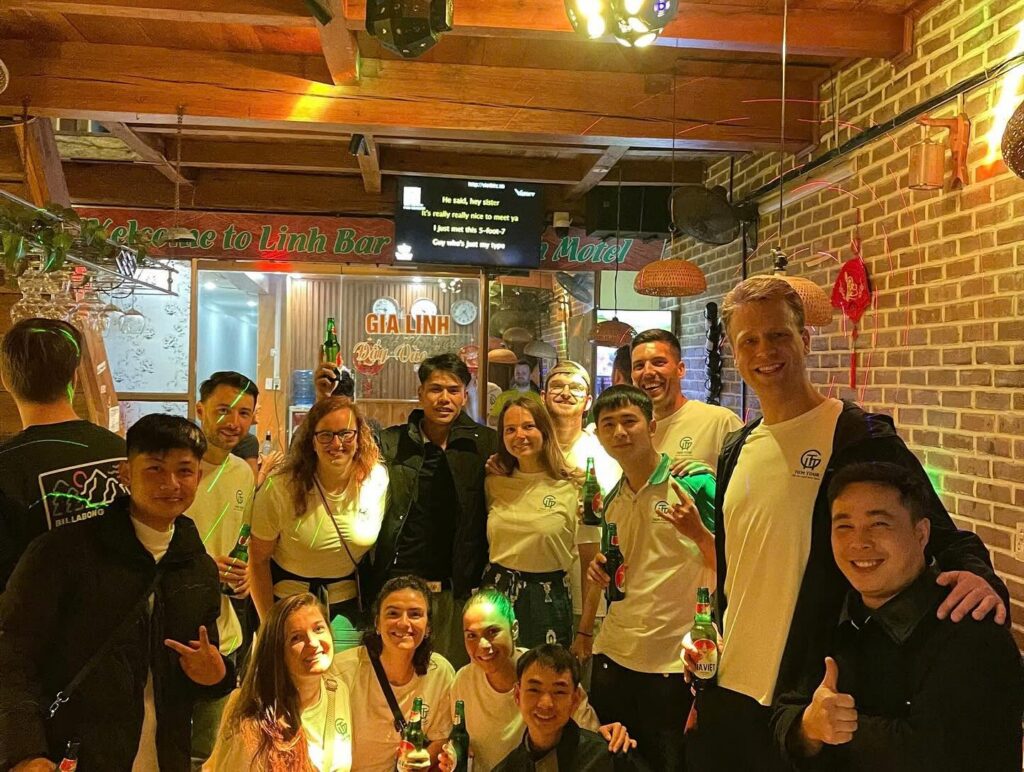
Whether you choose to ride independently or travel with a local Easy Rider, the most rewarding part of the journey is often the time spent discovering the region at a comfortable pace.
With the right preparation and a suitable itinerary, spring can be a memorable season to explore Ha Giang and experience the natural and cultural character of Northeast Vietnam.
Ha Giang Loop experience
18/11/2026
Ha Giang Loop experience
18/11/2026
Ha Giang Loop experience
16/11/2026
Ha Giang Loop experience
16/11/2026
Ha Giang Loop experience
13/11/2026
Ha Giang Loop experience
13/11/2026
Ha Giang Loop experience
13/11/2026
Ha Giang Loop experience
11/11/2026
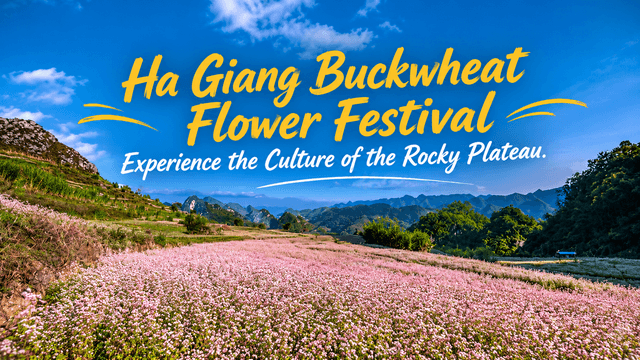
Ha Giang Loop experience
11/11/2026
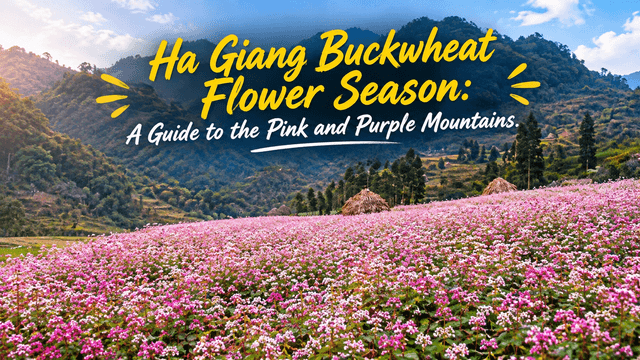
Ha Giang Loop experience
09/11/2026