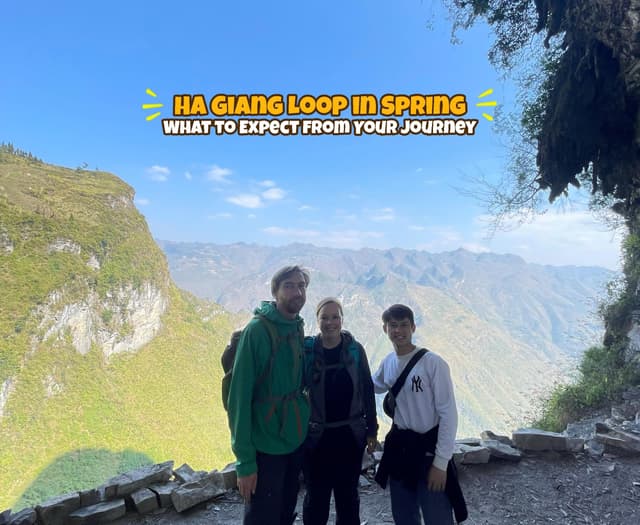
Ha Giang Loop experience
18/11/2026
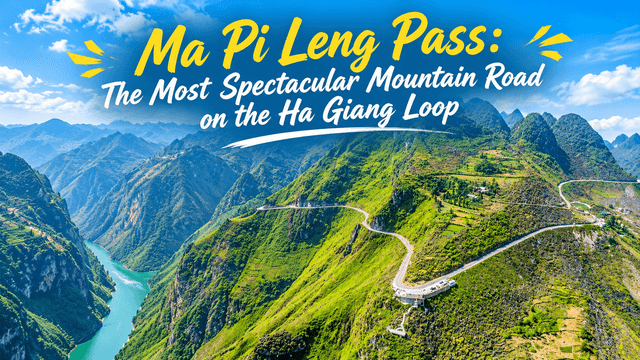
Ma Pi Leng Pass: The Most Spectacular Mountain Road on the Ha Giang Loop
Share


Summary of content
Quan Ba Ha Giang is one of the first places that makes the Ha Giang Loop feel like a real mountain adventure. Located north of Ha Giang City, this area welcomes travelers with winding roads, limestone mountains, green valleys and small villages tucked between the hills. For many visitors, it is the first place where the landscape begins to change dramatically.

Quan Ba Ha Giang
The most famous sights are Quan Ba Heaven Gate and the Twin Mountains, but there is more to discover if you have enough time. Traditional weaving, local villages and quiet countryside roads offer a closer look at everyday life in the northern mountains.
Whether you are planning a short stop or a longer journey, this guide will help you understand what to see and how to include Quan Ba in your Ha Giang Loop itinerary.
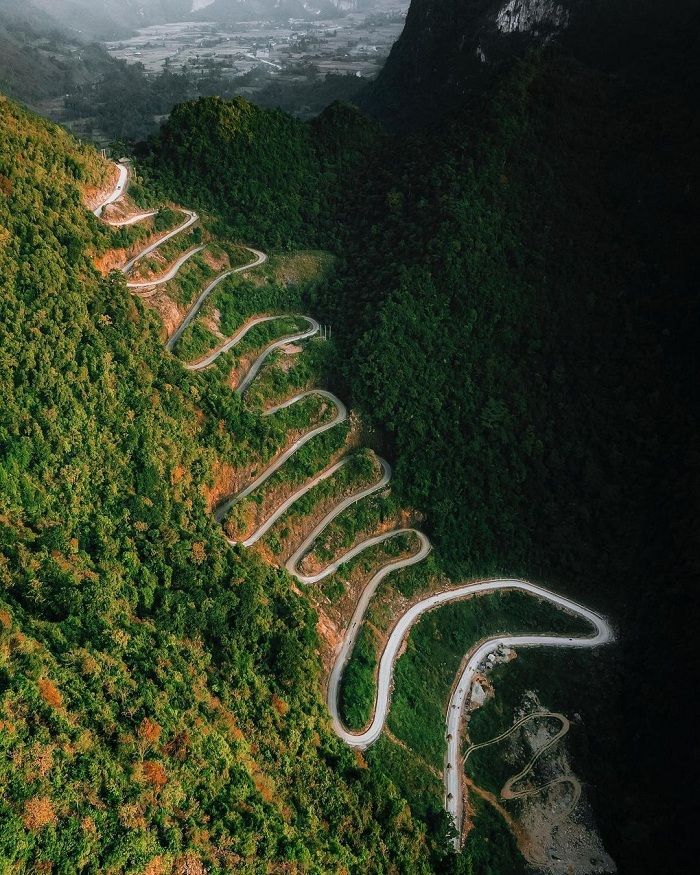
Quan Ba is located along National Highway 4C, approximately 45 km from Ha Giang City. It is usually the first major scenic area travelers reach when heading north on the Ha Giang Loop.
Quan Ba Ha Giang
The road climbs through mountain passes before opening up to the wide Tam Son Valley. From here, the scenery becomes increasingly defined by limestone formations, steep slopes and highland villages.
Quan Ba is also an important gateway to the Dong Van Karst Plateau. After exploring the area, most travelers continue towards Yen Minh, then Dong Van and Meo Vac.
If you are still planning your route, our guide to the Ha Giang Loop Route explains how these destinations connect along the journey.
Quan Ba Heaven Gate, known locally as Cong Troi Quan Ba, is one of the most recognizable viewpoints on the Ha Giang Loop. Situated high above the valley, it offers a wide view of the mountains and the landscape below.
From the viewpoint, you can see Tam Son Valley, scattered houses, fields and the famous Twin Mountains in the distance. On clear days, the view stretches across layers of limestone peaks. When clouds move through the valley, the scenery can look completely different within a few minutes.
Take some time to enjoy the view rather than stopping only for a quick photograph. The changing light and mountain atmosphere are part of what makes this place memorable.
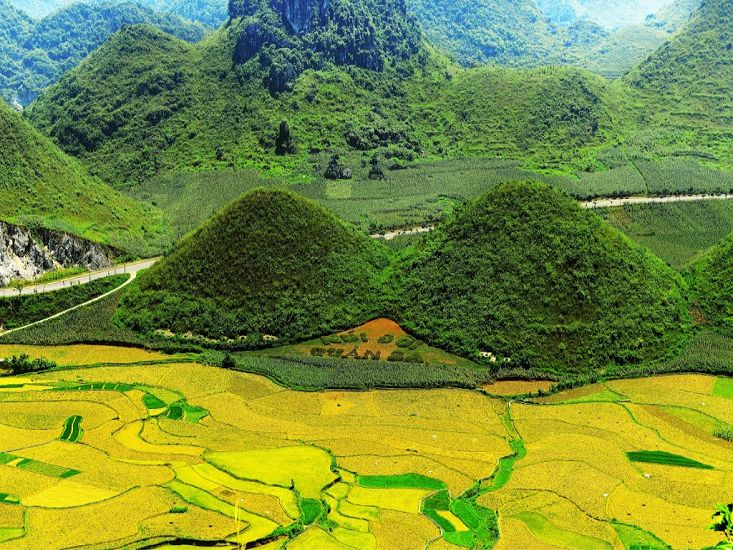
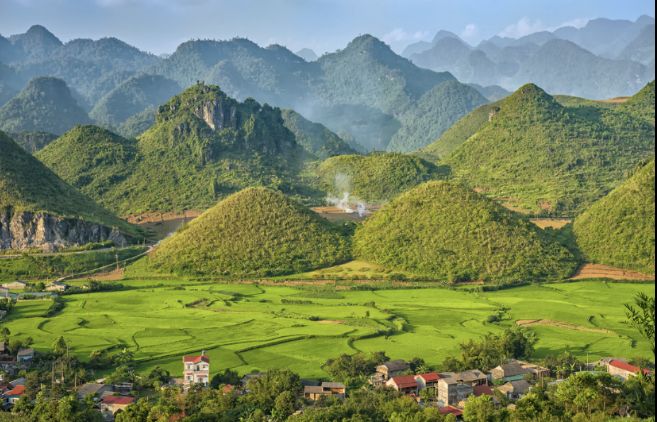
The Quan Ba Twin Mountains, also called Fairy Mountains or Nui Doi, are two rounded hills rising from the valley floor. Their unusual shape makes them one of the most photographed natural landmarks in the area.
Quan Ba Ha Giang
A local legend connects the mountains with a fairy who left her breasts behind for her child before returning to heaven. The story has become part of the cultural identity of the landscape.
You can see the Twin Mountains from the Heaven Gate viewpoint, but the view from the valley gives you a closer perspective. The surrounding rice fields also change with the seasons, creating different colors throughout the year.
Tam Son Valley lies beneath the Heaven Gate and is known for its peaceful countryside scenery. Small settlements, agricultural fields and limestone mountains create a landscape that feels very different from the busier towns along the route.
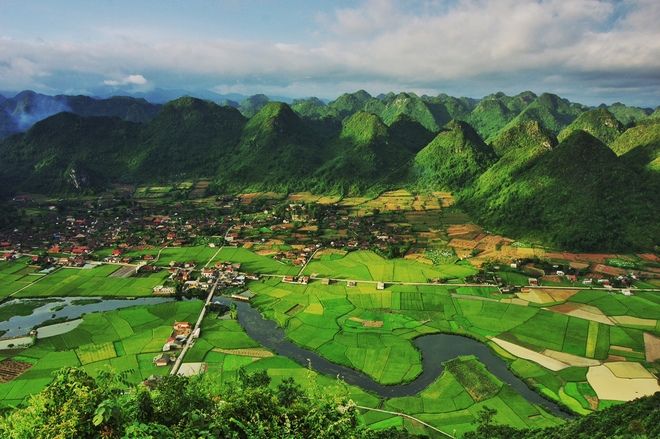
Tam Son Valley
Depending on the season, the fields may appear bright green or turn golden as the rice approaches harvest. It is a good place to slow down and appreciate the everyday scenery of the highlands.
Rather than rushing from one viewpoint to another, consider taking a short break in the area and observing local life.
For travelers interested in local culture, Lung Tam is a worthwhile stop near Quan Ba. The village is known for traditional hemp weaving practiced by Hmong women.
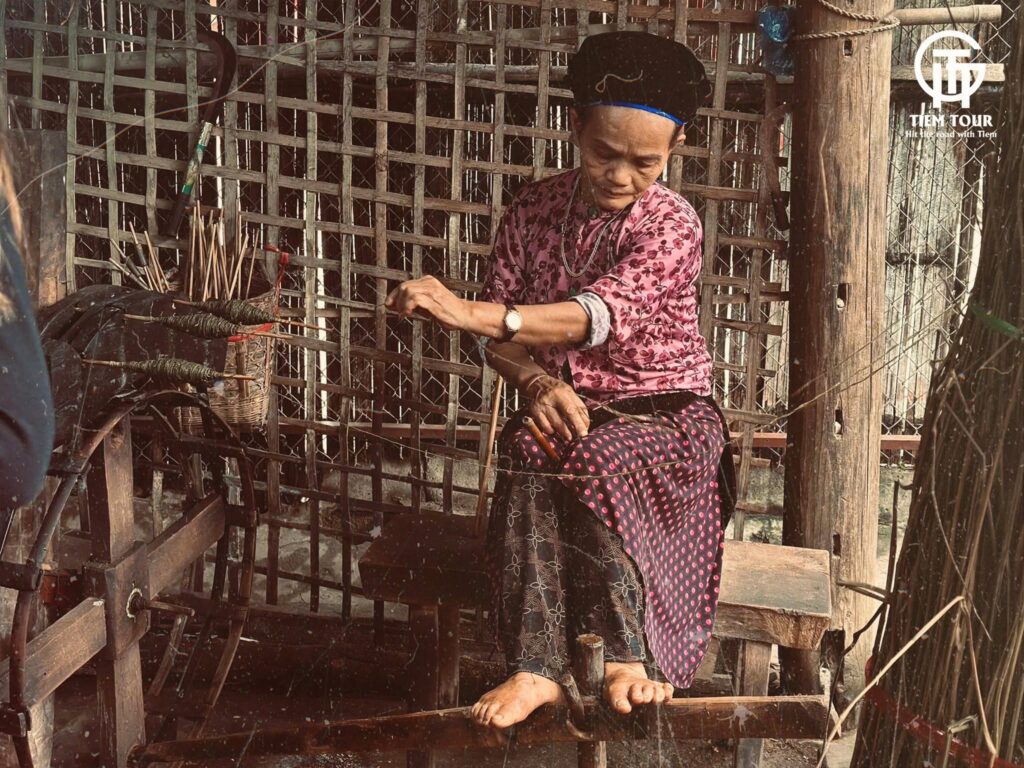
Tam Son Valley
The process involves several stages, from preparing hemp fibers and spinning thread to weaving fabric and creating finished products. It takes considerable time and skill to produce traditional handmade textiles.
A visit offers an opportunity to learn about a craft that has been passed down through generations. If you want to take photographs of local people or their work, remember to ask for permission first.
Lung Khuy Cave is another attraction in the Quan Ba area. Inside, visitors can explore a limestone cave with naturally formed stalactites and stalagmites.
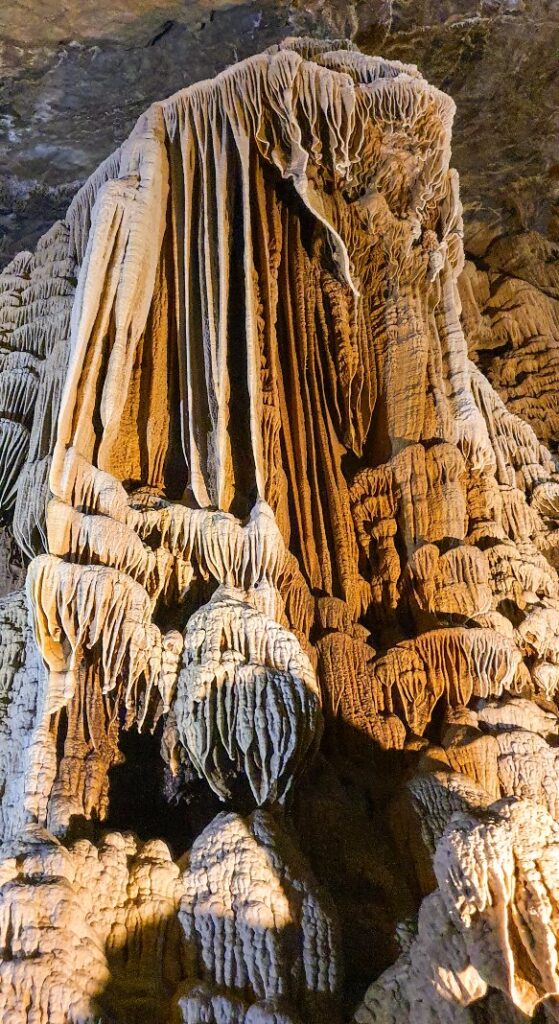
Quan Ba Ha Giang
The cave provides a different experience from the open mountain viewpoints. It is a good option if you have extra time and want to explore more of the region’s natural landscape.
Conditions and access arrangements may change, so check locally before making it part of your itinerary.
The appeal of Quan Ba is not limited to one famous viewpoint. It is the combination of mountain scenery, local culture and the transition from the lower valleys into the rocky highlands.
Quan Ba Ha Giang
The area is also a good introduction to the diversity of the Ha Giang Loop. You can see how people adapt their homes, farming activities and daily routines to the mountainous environment.
For many travelers, Quan Ba is the first opportunity to experience the quieter side of northern Vietnam. The journey is not only about reaching famous destinations; it is also about noticing the small villages, roadside views and everyday moments along the way.
Quan Ba can be visited throughout the year, but the scenery changes with the seasons.
Spring (March to April): The weather is generally cooler, and some areas may have blooming flowers. It is a pleasant time for riding and exploring the countryside.
Summer (May to August): The valleys become greener as the growing season progresses. However, rain and fog can affect visibility and road conditions, so travelers should check the forecast before setting off.
Autumn (September to October): This period is popular for its cooler weather and seasonal rice-field scenery. The landscape around Tam Son can become especially attractive as the fields turn golden.
Winter (November to February): Temperatures can drop, and fog may cover the mountain passes and valleys. The atmosphere can be beautiful, but visibility is sometimes limited.
If you want to compare the seasons before choosing your travel dates, read our guide to the Best Time to Visit Ha Giang Loop.
Most travelers visit Quan Ba on the first day of their Ha Giang Loop journey after leaving Ha Giang City.
A typical route continues through the Heaven Gate and Tam Son Valley before heading towards Yen Minh. Travelers can stop at the main viewpoints, take photographs and enjoy a short break before continuing along the mountain road.

Quan Ba Ha Giang
If you have more time, you can add Lung Tam village or Lung Khuy Cave to your route. However, avoid trying to visit too many places in one day. Mountain roads require attention, and travel times can be longer than expected.
For a more relaxed experience, consider a multi-day trip rather than rushing through the loop. TIEMTOURS offers different journey lengths, including a 3-day Ha Giang Loop tour and a 4-day Ha Giang Loop tour.
You can also read our guide to Yen Minh Ha Giang to learn about the next destination after Quan Ba.
A little preparation can make your visit more comfortable, especially if you are traveling by motorbike.
Check the weather: Fog and rain can reduce visibility at mountain viewpoints.
Wear suitable clothing: Temperatures can be cooler at higher elevations, even when the weather is warm in Ha Giang City.
Take photographs safely: Use designated stopping areas and avoid standing in the road or on unsafe roadside edges.
Allow enough time: A short stop at Heaven Gate is easy to plan, but visiting nearby attractions requires additional time.
Respect local communities: Ask before photographing people, homes or traditional activities.
Avoid rushing: The mountain roads have sharp bends and changing conditions. Take breaks when needed.
If you plan to ride a motorbike yourself, make sure you understand the local requirements and are comfortable with mountain-road conditions. You can also compare riding independently with joining a tour in our guide to Self-Riding vs Easy Rider on the Ha Giang Loop.
HOW FAR IS QUAN BA FROM HA GIANG CITY?
Quan Ba is approximately 45 km from Ha Giang City. The journey usually takes around 1.5 hours by motorbike without long stops, depending on road and weather conditions.
WHAT IS QUAN BA MOST FAMOUS FOR?
Quan Ba is best known for Heaven Gate, the Twin Mountains and the panoramic views over Tam Son Valley.
HOW MUCH TIME SHOULD I SPEND IN QUAN BA?
Around one to two hours is enough for the main viewpoints. If you want to visit Lung Tam village or Lung Khuy Cave, allow additional time.
CAN I VISIT QUAN BA WITHOUT JOINING A TOUR?
Yes. You can travel independently by motorbike or car, provided you meet the relevant driving requirements and plan your route carefully. Joining a tour is another option if you prefer local support and do not want to manage the mountain roads yourself.
IS QUAN BA WORTH VISITING ON THE HA GIANG LOOP?
Yes. It is one of the first major scenic stops on the route and offers a memorable introduction to the landscapes of the Dong Van Karst Plateau.
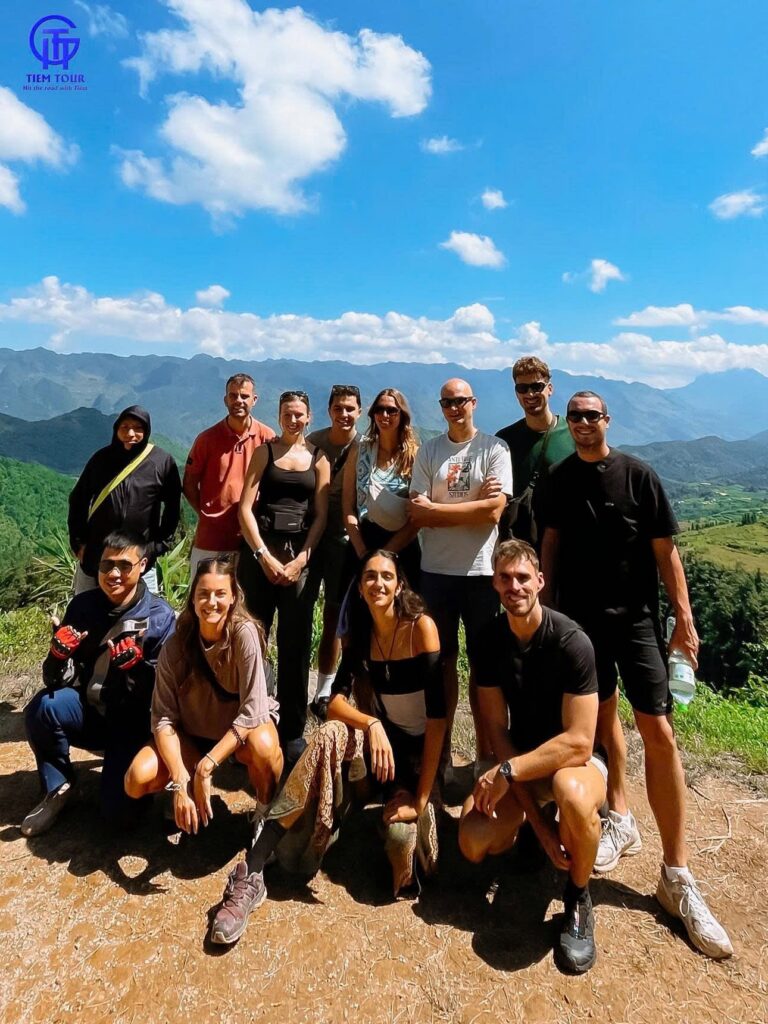
Quan Ba Ha Giang is more than just a viewpoint on the way to Dong Van. From the sweeping scenery at Heaven Gate to the distinctive Twin Mountains and traditional weaving in Lung Tam, the area offers a mix of natural beauty and local culture.
Quan Ba Ha Giang
For travelers exploring the Ha Giang Loop, Quan Ba is a great place to slow down, take in the mountain views and begin discovering the character of the northern highlands.
If you are planning your journey, explore the available routes and experiences at TIEMTOURS and find a trip that gives you enough time to enjoy the road, not just reach the next destination.
Ha Giang Loop experience
18/11/2026
Ha Giang Loop experience
16/11/2026
Ha Giang Loop experience
16/11/2026
Ha Giang Loop experience
13/11/2026

Ha Giang Loop experience
13/11/2026

Ha Giang Loop experience
13/11/2026

Ha Giang Loop experience
11/11/2026

Ha Giang Loop experience
11/11/2026
Ha Giang Loop experience
09/11/2026
Ha Giang Loop experience
09/11/2026