Ha Giang Loop experience
18/11/2026
Ma Pi Leng Pass: The Most Spectacular Mountain Road on the Ha Giang Loop

Share


Summary of content
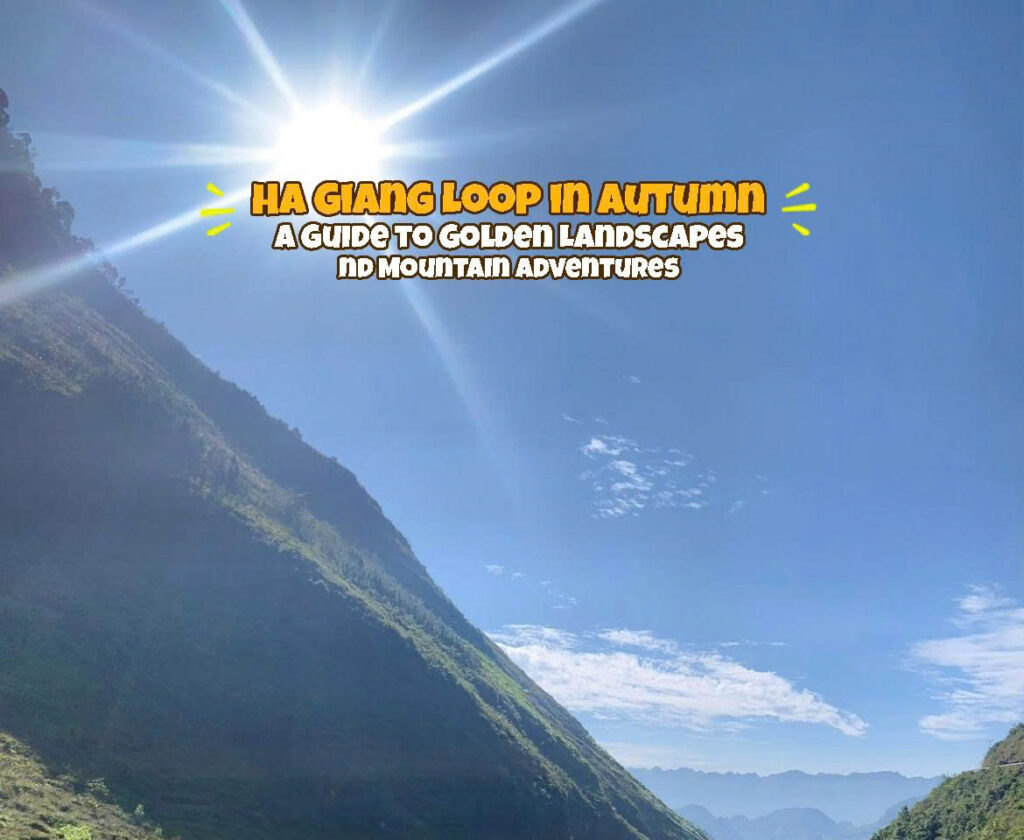
Ha Giang Loop in Autumn is one of the most rewarding ways to explore northern Vietnam, especially for travelers who want to experience golden rice terraces, seasonal flowers, and dramatic mountain scenery. As the weather gradually becomes cooler, the mountains and valleys take on a different atmosphere, creating excellent opportunities for photography, outdoor exploration, and cultural experiences.
Ha Giang Loop in Autumn
Autumn is also a season of contrasts across Ha Giang. The limestone mountains of Dong Van create a rugged landscape, while the terraced fields of Hoang Su Phi become golden during the harvest season. Along the journey, travelers can discover traditional villages, visit local markets, enjoy regional food, and learn more about the everyday lives of ethnic communities.
If you are planning a trip to northern Vietnam, autumn is a great opportunity to experience the natural and cultural character of this mountainous region.
Autumn in Ha Giang generally covers September, October, and November. However, the scenery and weather can change throughout these months, so the experience may be different depending on your travel dates.
Ha Giang Loop in Autumn
September is particularly interesting for travelers who want to see the rice terraces in Hoang Su Phi. Depending on the altitude and local farming schedule, some fields begin turning golden as the rice approaches harvest.
October is commonly associated with the golden rice season in parts of the region. It is also a popular period for travelers hoping to see buckwheat flowers around the Dong Van Karst Plateau.
By November, temperatures generally become cooler as the region moves toward winter. Some areas may still have seasonal flowers, although the landscape can look different from earlier autumn months.
These seasonal changes do not happen on exactly the same dates every year. Weather, altitude, and local agricultural schedules all influence what travelers will see.
For a broader overview of seasonal conditions, you can also explore our guide to the best time to visit the Ha Giang Loop.
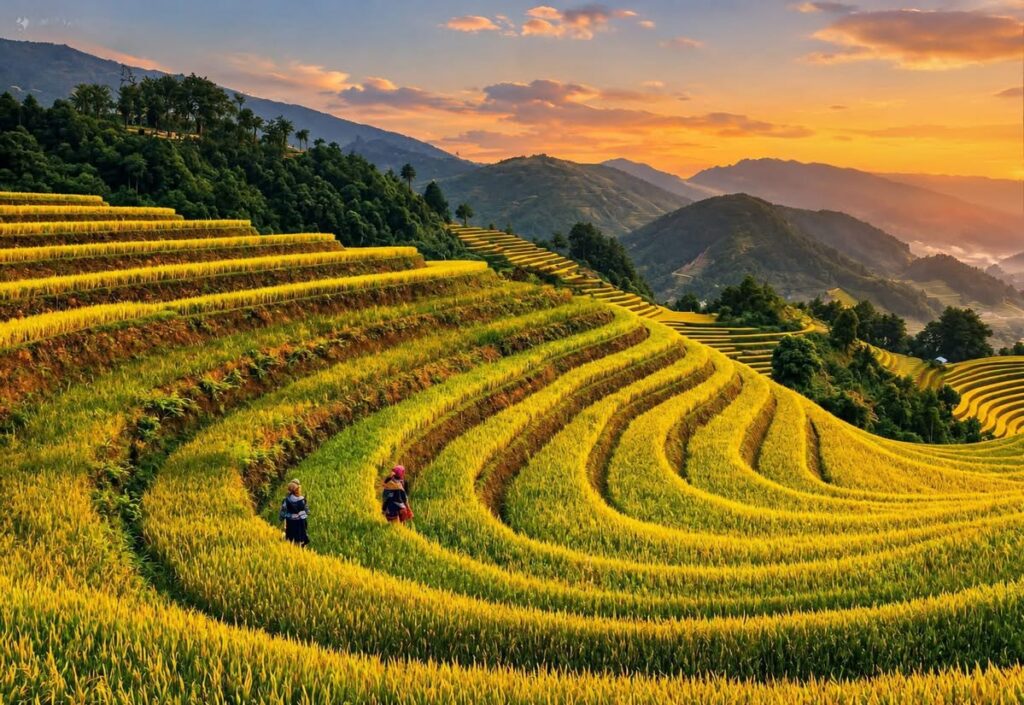
One of the most recognizable autumn scenes in Ha Giang is the golden rice terraces of Hoang Su Phi.
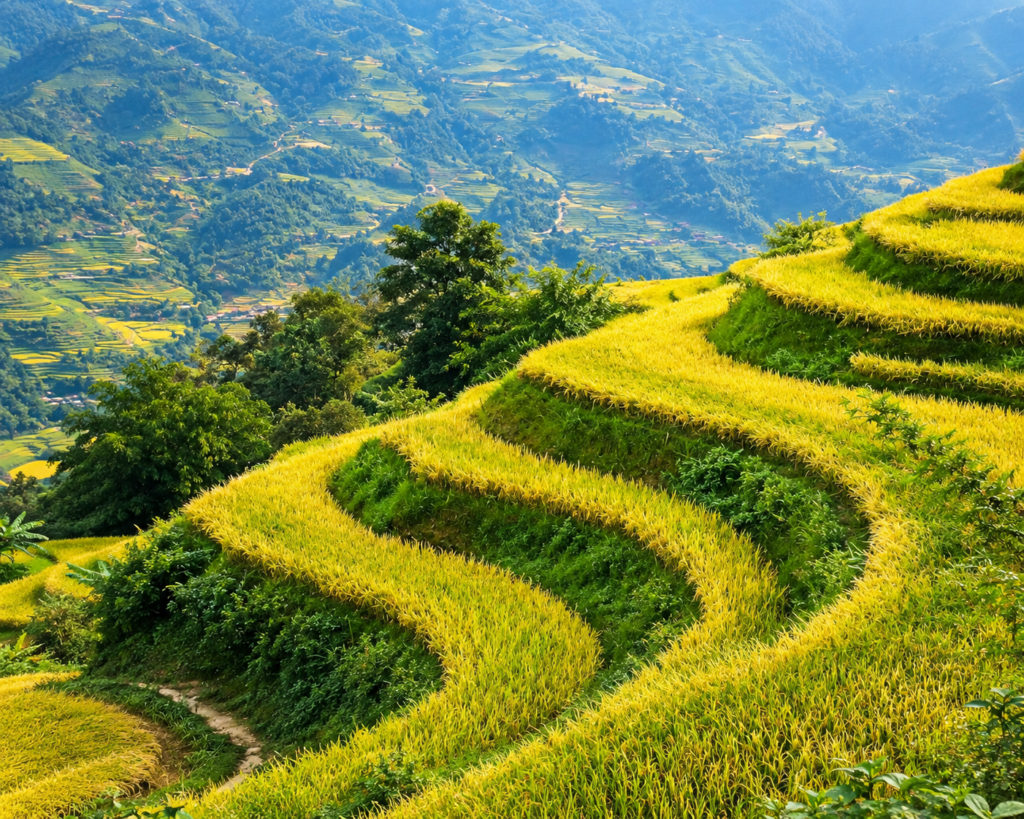
The area is famous for its layered rice fields, carefully built along steep mountain slopes. During the harvest season, sections of these terraces gradually change from green to yellow, creating impressive patterns across the landscape.
Ha Giang Loop in Autumn
The best way to appreciate the scenery is often from viewpoints overlooking the valleys. From above, the rice fields appear as layers of curved lines following the shape of the mountains.
Beyond their visual appeal, the terraces also reflect generations of agricultural knowledge. Local communities have developed farming methods that allow them to cultivate rice on difficult mountain terrain.
It is important to note that Hoang Su Phi is not directly on the classic Ha Giang Loop route. Travelers who want to see both the rice terraces and the main Loop attractions should plan additional travel time instead of assuming these destinations are part of one standard route.
Autumn is also associated with buckwheat flowers, locally known as hoa tam giác mạch.
These small flowers are an important part of the seasonal landscape in the highlands. Around areas of the Dong Van Karst Plateau, visitors may find fields and patches of flowers in shades ranging from pale pink to purple.
The flower season attracts photographers and travelers who want to experience a different side of Ha Giang. It also provides an opportunity to explore the surrounding villages and enjoy the atmosphere of the highland communities.
However, flowering dates vary from year to year. If seeing buckwheat flowers is one of your main reasons for visiting, check local updates before finalizing your travel dates.
Autumn often brings more comfortable temperatures for exploring the mountains compared with the hotter summer months.
The cooler atmosphere makes it easier to spend time outdoors, stop at viewpoints, and explore villages along the route. On clear days, travelers can enjoy wide views across limestone mountains and deep valleys.
The changing light throughout the day can also create beautiful photographic opportunities. Early mornings may bring mist across the valleys, while sunny afternoons reveal more details of the surrounding landscape.
Hoang Su Phi is one of the most important destinations to consider if your main reason for visiting Ha Giang in autumn is the rice harvest season.
Its terraced fields stretch across mountain slopes and reflect the agricultural traditions of local communities. When the rice turns golden before harvesting, the entire landscape can become especially attractive to visitors.
The area is also home to ethnic minority villages, where travelers can learn more about traditional farming practices and local lifestyles.
Because Hoang Su Phi is separate from the classic Ha Giang Loop route, you should allow extra time if you want to include it in your journey. If your priority is exploring the main mountain route, our Ha Giang Loop route guide provides a useful overview of the destinations commonly visited along the Loop.
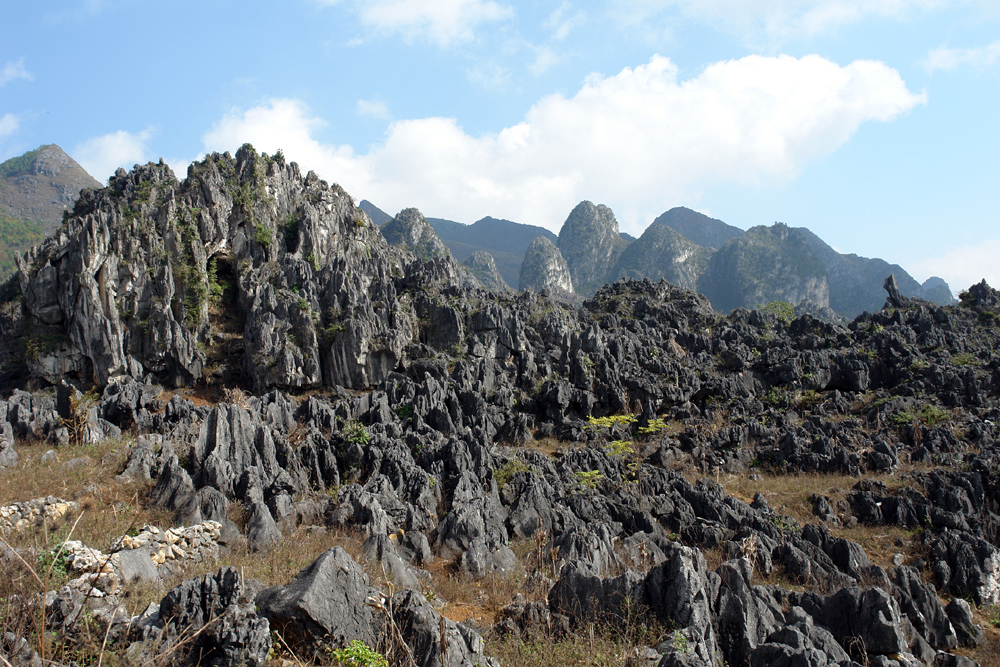
The Dong Van Karst Plateau is one of the most distinctive landscapes in northern Vietnam.
Its limestone formations, steep slopes, traditional houses, and winding roads create a dramatic environment. During autumn, the cooler weather makes it a comfortable place to explore, while seasonal flowers may add more color to certain areas.
Ha Giang Loop in Autumn
Travelers can also visit small villages and learn about how local communities have adapted to living in this rocky mountain region.
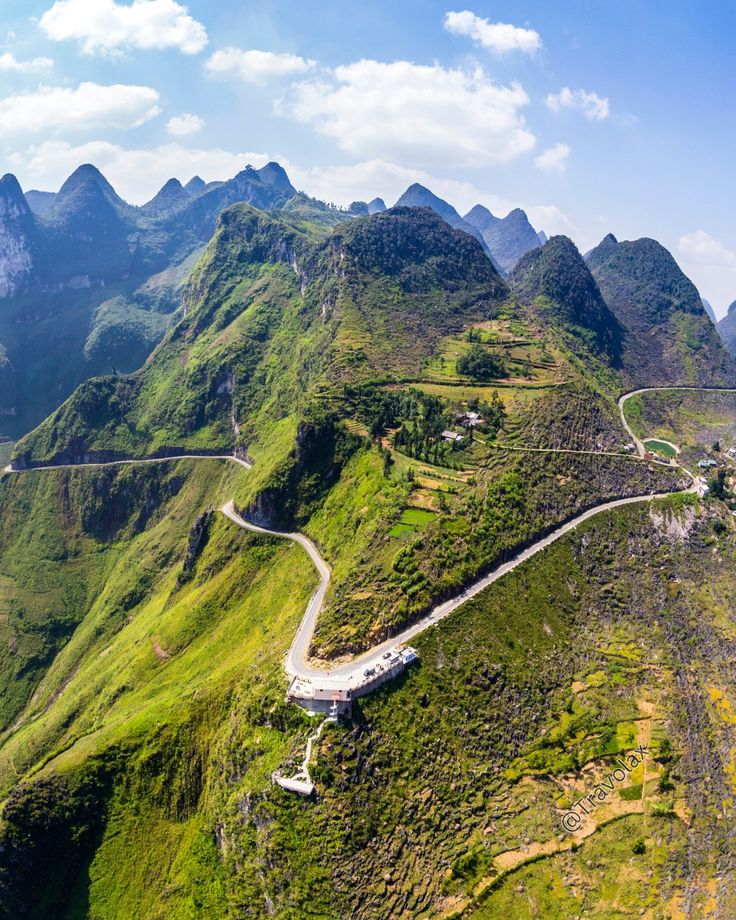
Ma Pi Leng Pass is one of the most memorable sections of the Ha Giang Loop. The road follows steep mountain slopes and offers panoramic views over the Nho Que River and surrounding limestone peaks.
Ha Giang Loop in Autumn
Autumn can be a rewarding time to enjoy the scenery, especially when visibility is clear. The cooler conditions also make it more comfortable to spend time at suitable viewpoints.
However, the road includes sharp turns and steep sections. Always pay attention to traffic and avoid stopping in unsafe locations just to take photographs.
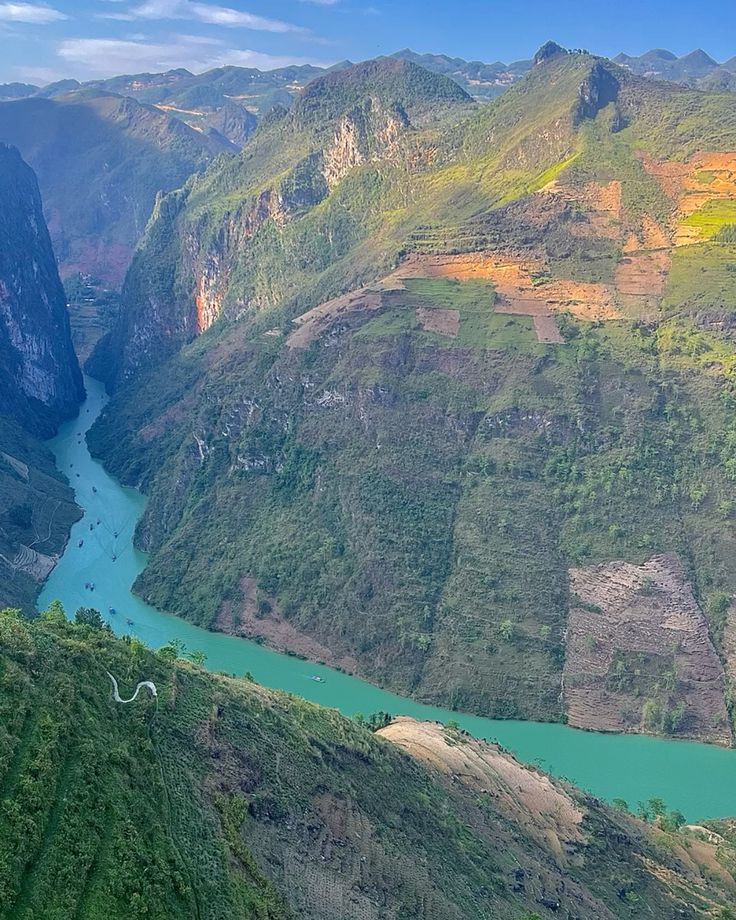
The Nho Que River flows through Tu San Canyon, creating one of the most recognizable landscapes in Ha Giang.
A boat trip offers a different perspective from the mountain roads above. Instead of looking down into the valley, visitors can experience the towering canyon walls from the water.
Ha Giang Loop in Autumn
This is a worthwhile activity to include if weather conditions and boat services allow. It also provides a relaxing break from spending long hours on the motorbike.
Autumn is not only about scenery. It is also an opportunity to discover the cultural side of Ha Giang.
Local markets bring together people from surrounding villages to buy and sell food, clothing, agricultural products, and household goods. These markets offer a glimpse into everyday life in the highlands.
Traditional villages are equally interesting. Visitors can observe local architecture, farming activities, and handicrafts while learning about the different ethnic communities in the region.
Remember that these villages are people’s homes. Ask before photographing residents, respect private spaces, and avoid disturbing daily activities.
Autumn weather in Ha Giang is generally cooler than during the summer season, but conditions can vary between locations and throughout the day.
Mountain areas are often colder than lower valleys. Early mornings may feel chilly, while daytime temperatures can be comfortable when the sun is out.
Travelers should prepare for several possible conditions:
Cool mornings and evenings: Bring a light jacket or warm layer, especially if you will be riding early in the morning.
Comfortable daytime temperatures: Autumn can be suitable for outdoor sightseeing, walking around villages, and exploring viewpoints.
Occasional rain: Rain is still possible, particularly earlier in the season. Wet roads can make mountain riding more challenging.
Changing visibility: Clouds and mist may appear around mountain passes. Check conditions before setting out and avoid riding too quickly when visibility is limited.
For more advice on dealing with rain, fog, and changing mountain conditions, read our guide to Ha Giang Loop weather safety.
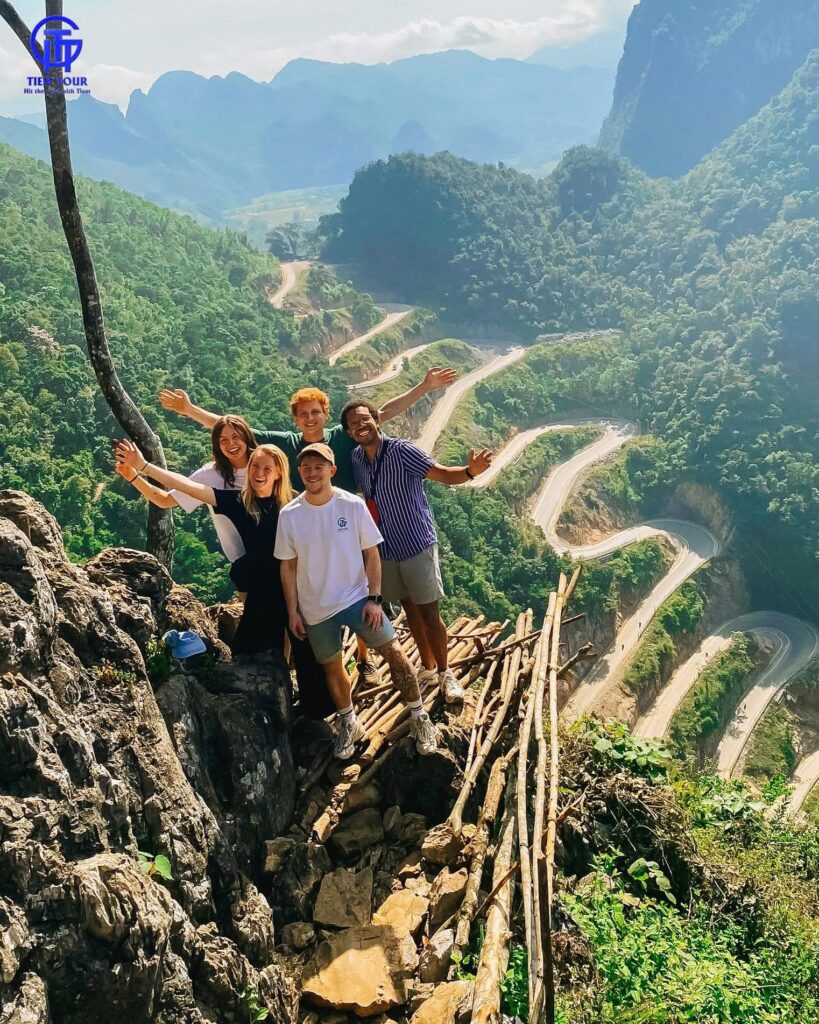
Autumn is often considered one of the most attractive seasons for visiting Ha Giang, particularly for travelers interested in photography and seasonal landscapes.
The combination of golden rice terraces, buckwheat flowers, and cooler mountain conditions makes this period appealing. It also offers opportunities to experience local culture during the agricultural harvest season.
Ha Giang Loop in Autumn
However, the best season depends on what you want to see.
If your priority is golden rice terraces, you should research the harvest timing in Hoang Su Phi. If you want to see buckwheat flowers, check the flowering period around the Dong Van area. These are different locations, and their seasonal highlights do not necessarily happen at the same time.
Autumn can also attract more visitors, particularly around popular flower-viewing locations. If you prefer a quieter experience, consider traveling outside the busiest periods and choosing a suitable itinerary with enough time for each stop.
The right trip length depends on whether you want to explore only the classic Ha Giang Loop or include additional destinations such as Hoang Su Phi.

Ha Giang Loop in Autumn
For travelers who want to experience the main highlights of the Loop, three to four days is a practical starting point.
If you have limited time, the Ha Giang Loop 3 Days 2 Nights Adventure Tour is an option for exploring the main mountain scenery and popular stops.
For a slower journey with more time to enjoy the landscape, the Ha Giang Loop 4 Days 3 Nights Adventure Tour provides an additional day for exploring the region.
Travelers who want to discover more of Northeast Vietnam can consider a longer route. The 5 Days 4 Nights Ha Giang Loop and Cao Bang adventure combines destinations across two provinces, while the 6 Days 5 Nights Ha Giang, Cao Bang, and Ba Be Lake journey allows more time to explore the wider region.
If Hoang Su Phi is a priority, remember that it requires separate route planning and additional travel time.
Your riding option can strongly influence how you experience the Ha Giang Loop.
Riding by yourself gives you more independence and allows you to handle your own motorbike. However, the Loop includes steep roads, sharp turns, and sections where weather can affect visibility and road surfaces.

Ha Giang Loop in Autumn
You should only choose this option if you have the appropriate riding experience and legal documentation.
An Easy Rider tour allows you to sit behind an experienced local driver. Instead of focusing on controlling the motorbike, you can enjoy the mountain scenery, take photographs at suitable stops, and learn more about the region from your driver.
There are different ways to experience the journey, so it is worth understanding the differences before booking. Our article on self-riding vs Easy Rider on the Ha Giang Loop explains the advantages and considerations of each option.
Packing for autumn means preparing for cool mornings, comfortable afternoons, and the possibility of rain.
A warm jacket is useful for early morning rides and cooler mountain areas. You should also bring lightweight clothing for daytime exploration and a waterproof jacket in case of unexpected rain.
Comfortable shoes are important if you plan to walk around viewpoints, villages, or rice terraces. Some paths may be uneven, particularly in agricultural areas.
Other useful items include sunscreen, sunglasses, a small personal bag, and any medication you may need during the journey.
If photography is important to you, bring enough storage space for your camera or phone. Autumn landscapes offer plenty of opportunities to capture the golden fields, mountain roads, and traditional villages.
Avoid carrying too much luggage. Keeping your belongings manageable makes moving between destinations more comfortable.
Check seasonal conditions before booking. Rice harvest and buckwheat flower periods can change each year. Confirm local conditions if a particular landscape is important to your trip.
Plan Hoang Su Phi separately. Do not assume the rice terraces are located along every section of the classic Ha Giang Loop. Allow additional time if you want to visit this area.
Book early during popular periods. Seasonal scenery can attract more visitors, so reserving accommodation or a tour in advance can help you avoid limited availability.
Check road conditions before departure. Rain and fog can affect mountain roads. For a better understanding of what to expect, read our guide to Ha Giang Loop road conditions.
Respect local communities. Ask before taking photographs and follow local guidance when visiting villages or agricultural areas.
Choose a suitable riding option. Mountain roads require attention and experience. If you are not confident riding independently, consider traveling with an experienced local driver.
For more information about preparing for the journey, you can also read our complete guide to the Ha Giang Loop.
Yes. Autumn is a popular season because of the cooler weather, golden rice terraces in Hoang Su Phi, and seasonal buckwheat flowers around parts of the Dong Van area.
September and October are commonly associated with the golden rice season in Hoang Su Phi. However, the exact harvest period varies depending on location, altitude, and local farming schedules.
Yes. Buckwheat flowers are a seasonal highlight around the Dong Van Karst Plateau. Their flowering period can vary each year, so check local updates before traveling.
No. Hoang Su Phi is a separate area and is not directly on the standard Ha Giang Loop route. You should plan additional travel time if you want to visit both destinations.
Mornings and evenings can be cool, especially in higher mountain areas. Daytime conditions are often more comfortable, but travelers should bring warm clothing and prepare for changing weather.
Three to four days is a practical choice for exploring the main Loop. If you also want to visit Hoang Su Phi or other destinations in Northeast Vietnam, consider a longer itinerary.
Popular locations can become busier during the rice harvest and buckwheat flower seasons. Booking accommodation and tours in advance is recommended during these periods.
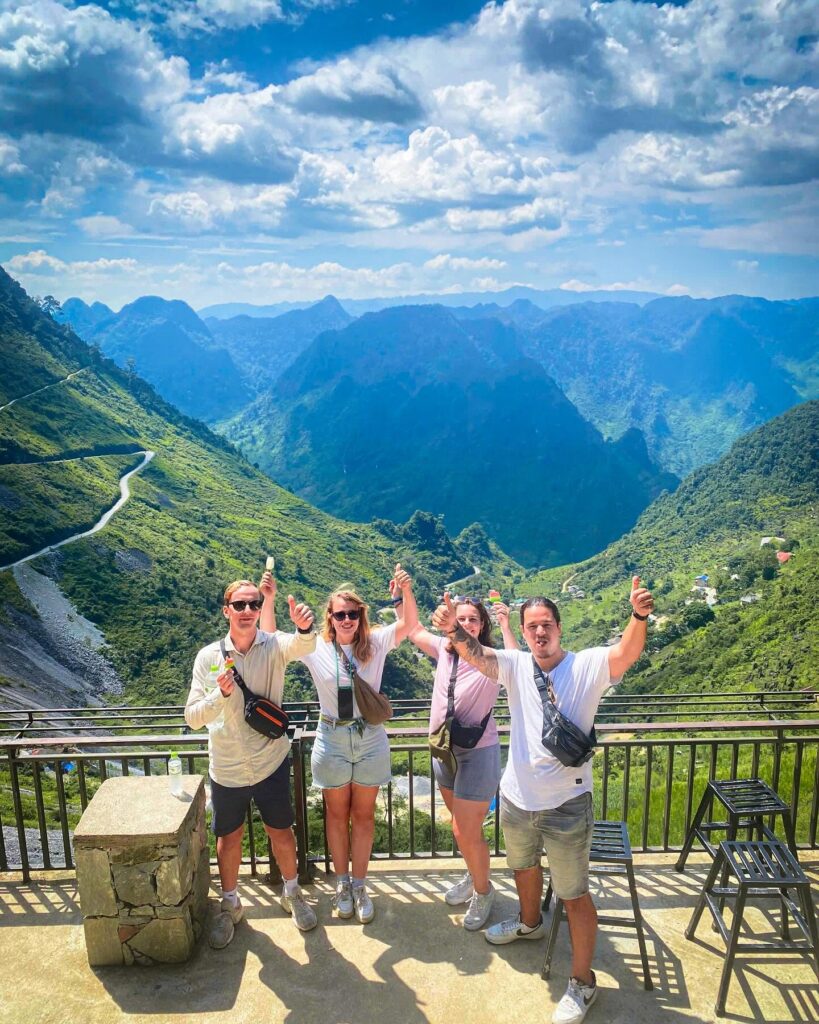
Ha Giang Loop in Autumn offers a memorable combination of mountain scenery, seasonal landscapes, and local culture. From the golden rice terraces of Hoang Su Phi to the limestone mountains of Dong Van and the dramatic views along Ma Pi Leng Pass, the region provides plenty of reasons to explore.
Ha Giang Loop in Autumn
The key to enjoying an autumn journey is understanding that different seasonal highlights appear in different places and at different times. With a suitable itinerary, enough travel time, and careful preparation, you can experience the best of Ha Giang without rushing through the journey.
Ha Giang Loop experience
18/11/2026
Ha Giang Loop experience
18/11/2026

Ha Giang Loop experience
16/11/2026
Ha Giang Loop experience
16/11/2026
Ha Giang Loop experience
13/11/2026

Ha Giang Loop experience
13/11/2026

Ha Giang Loop experience
13/11/2026

Ha Giang Loop experience
11/11/2026

Ha Giang Loop experience
11/11/2026
Ha Giang Loop experience
09/11/2026