Ha Giang Loop experience
18/11/2026
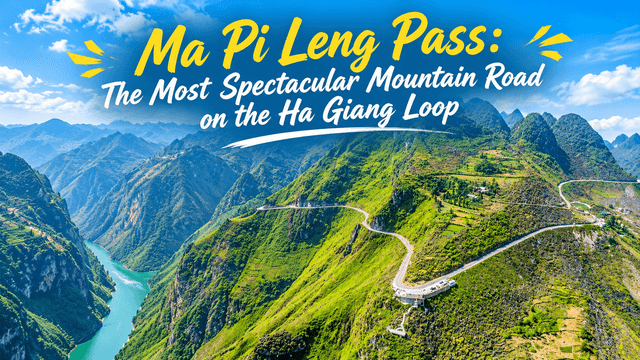
Ma Pi Leng Pass: The Most Spectacular Mountain Road on the Ha Giang Loop
Share


Summary of content
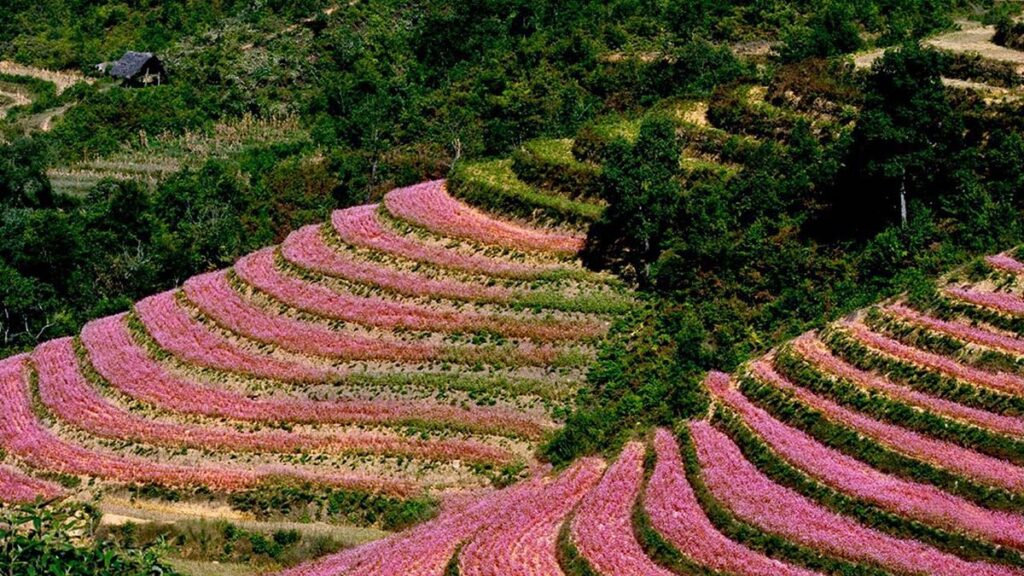
The Ha Giang Buckwheat Flower Season is one of the most beautiful times to explore northern Vietnam. Every year, small buckwheat flowers spread across the valleys and hillsides of the Dong Van Karst Plateau, adding soft shades of pink, white, and purple to the region’s rugged limestone landscape.
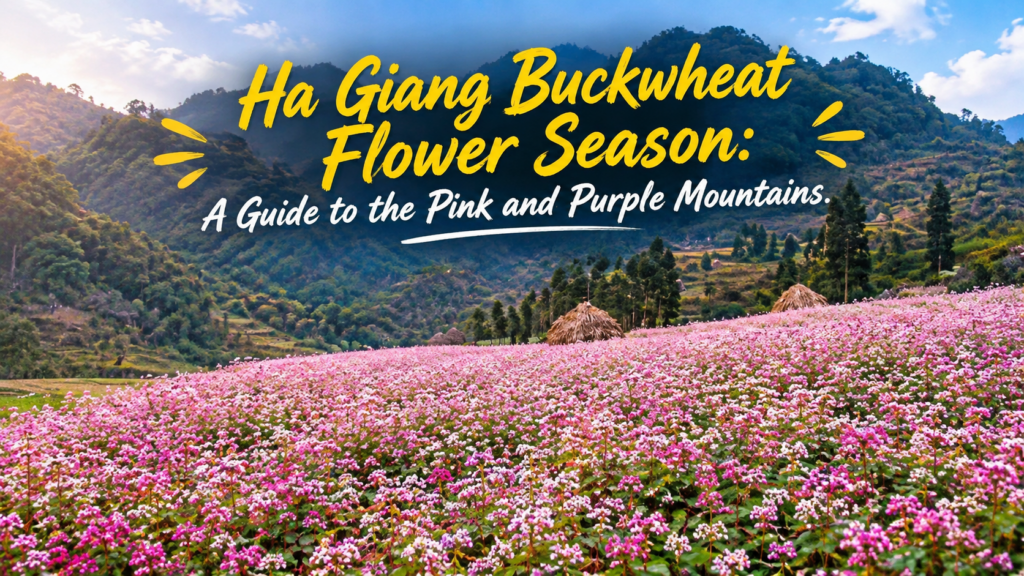
Ha Giang Buckwheat Flower Season
For many travelers, these flowers are more than just a seasonal attraction. They are part of the local highland scenery, closely connected to the agricultural life and traditions of communities in Ha Giang. During this period, visitors can enjoy flower fields, explore traditional villages, meet local people, and experience the winding mountain roads of the Ha Giang Loop.
If you are planning a trip to see the flowers, knowing when they bloom and where to find them will help you make the most of your journey.
Buckwheat flowers generally bloom from October to December, making late autumn and early winter the most popular time to visit Ha Giang for this seasonal highlight.
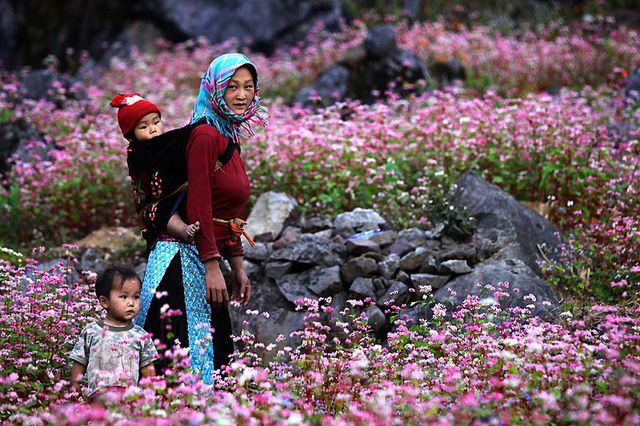
Ha Giang Buckwheat Flower Season
However, the exact flowering period can change every year. Temperature, rainfall, altitude, and local planting schedules all influence when the flowers begin to appear and reach their fullest bloom.
October is often when the first flower fields begin attracting visitors. Some areas may have pale pink or white flowers, while others are still developing.
November is commonly considered one of the most attractive months to see buckwheat flowers. During this time, many fields around the Dong Van area may display a mixture of pink and purple shades.
By December, some flower fields may still be blooming, although others may begin to fade or be harvested. The scenery depends on the location and local growing conditions.
It is best to check recent local updates before choosing your travel dates. Photographs from previous years can give you an idea of what to expect, but they cannot guarantee that the same fields will be in bloom when you arrive.
Buckwheat, locally known as tam giác mạch, is a familiar crop in the northern mountainous region of Vietnam. It grows in areas where the soil and climate can be challenging for other agricultural plants.
The flowers are small and delicate, but their appearance creates a striking contrast with Ha Giang’s limestone mountains, stone fences, and traditional houses.
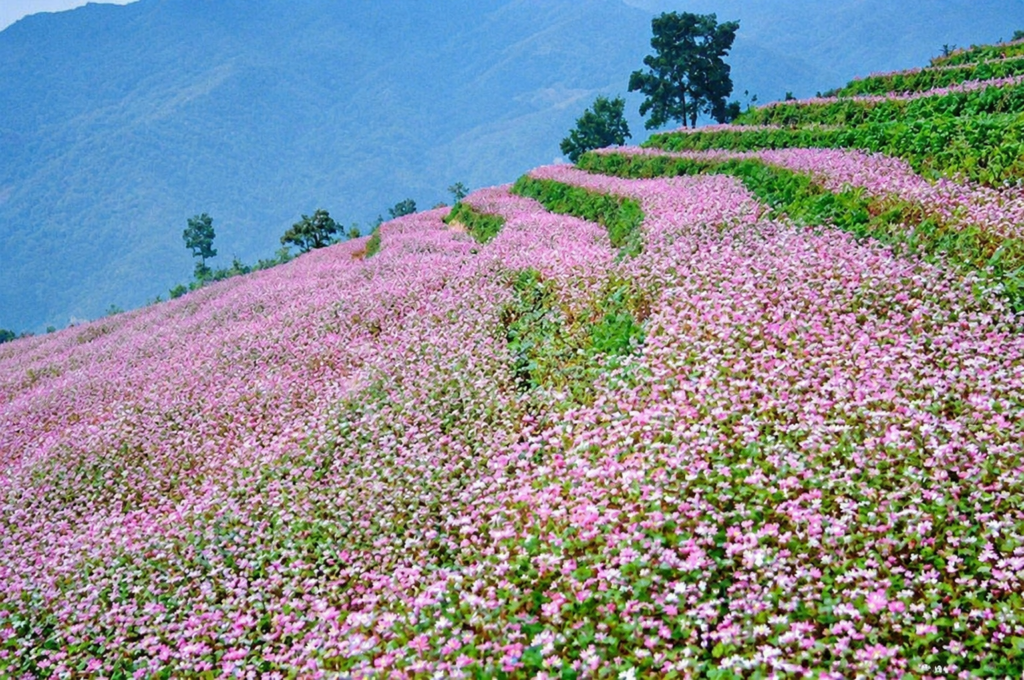
Ha Giang Buckwheat Flower Season
One interesting feature is how their colors change throughout the flowering period. Young flowers often appear white or pale pink. As they mature, their colors can become deeper, ranging from pink to purple before gradually fading.
This transformation gives the highland landscape a different atmosphere throughout the season.
Buckwheat is also connected to local food and agricultural traditions. In some villages, visitors may find buckwheat cakes and other local products made from the plant. Trying these foods is a simple way to experience more than just the scenery.
For travelers interested in local culture and cuisine, the Tiem Tours activity offer more insight into the region’s traditional dishes and highland lifestyle.
The Dong Van Karst Plateau is one of the main areas associated with buckwheat flowers. Several villages and scenic locations along the Ha Giang Loop offer opportunities to see seasonal flower fields.
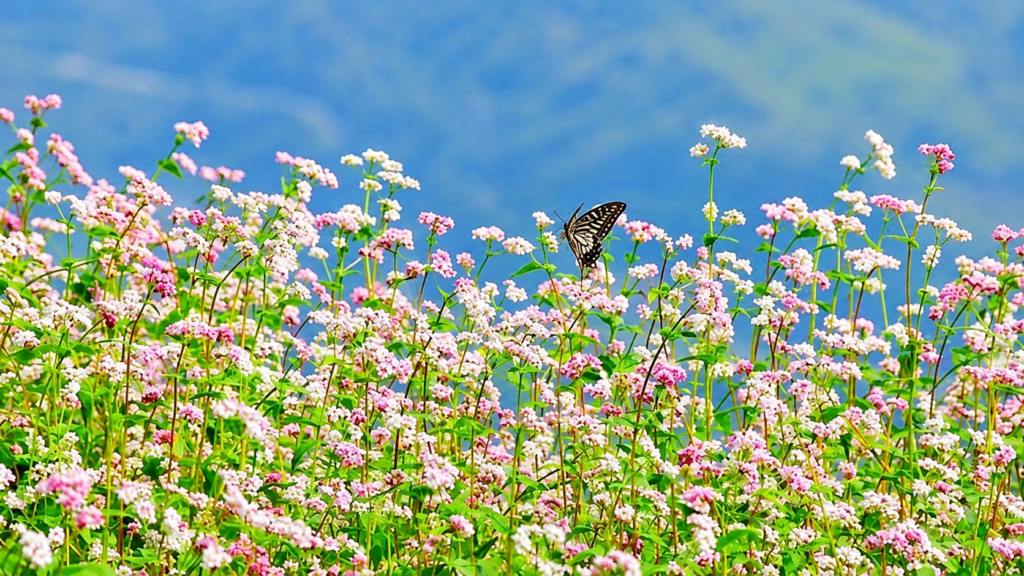
Ha Giang Buckwheat Flower Season
Sung La Valley is one of the most well-known places to visit during the flower season. The valley is surrounded by limestone mountains and traditional Hmong houses, creating a beautiful setting for exploring the local landscape.
During the flowering period, visitors may find buckwheat fields scattered around the valley and nearby villages. The combination of flowers, stone walls, and mountain scenery makes Sung La particularly attractive for photography.
The valley is also a good place to slow down and observe local life. Rather than simply stopping for pictures, take time to walk around and appreciate the traditional architecture and peaceful atmosphere.
Located in the Sung La area, Lung Cam Cultural Village is known for its traditional Hmong houses and cultural heritage.
The village became widely recognized after appearing in the Vietnamese film Pao’s Story. Its old houses, stone fences, and small courtyards provide a glimpse into the traditional lifestyle of the local community.
During the buckwheat flower season, the surrounding fields may become more colorful, creating a beautiful contrast with the village’s historic architecture.
Visitors should remember that some houses and courtyards are private homes. Always respect local residents and ask permission before taking photographs of people or entering private areas.
Tham Ma Pass is famous for its winding mountain road and dramatic viewpoints. It is a memorable stop along the journey between Yen Minh and the Dong Van area.
Although the pass is better known for its mountain scenery than for large flower fields, seasonal buckwheat flowers may appear in nearby areas depending on local planting conditions.
The viewpoint offers a different perspective of Ha Giang’s landscape, with layers of mountains stretching into the distance.
Take your time when stopping here. The road is narrow and winding, so choose safe parking areas and avoid standing in the middle of the road for photographs.
Lung Cu is home to the famous Lung Cu Flag Tower, often associated with Vietnam’s northernmost point.
The surrounding landscape includes rocky mountains, small villages, and agricultural fields. During the flowering season, some areas around Lung Cu may offer opportunities to see buckwheat flowers.
The journey to Lung Cu is also worthwhile for its wide mountain views and cultural experiences. You can combine a visit to the flag tower with nearby villages as part of a longer Ha Giang Loop itinerary.
Pho Cao and Sa Phin are two other areas worth exploring when traveling through the Dong Van region.
Pho Cao is known for its traditional houses, stone fences, and quiet village atmosphere. Sa Phin is home to the historic Hmong King’s Palace, an important cultural attraction in the area.
Depending on the season and local planting schedule, visitors may find buckwheat flowers around nearby fields and villages.
These locations are particularly interesting for travelers who want to combine flower viewing with cultural exploration instead of visiting only the most popular photography spots.
The beauty of the buckwheat flower season comes from the contrast between delicate flowers and the rugged mountain environment.
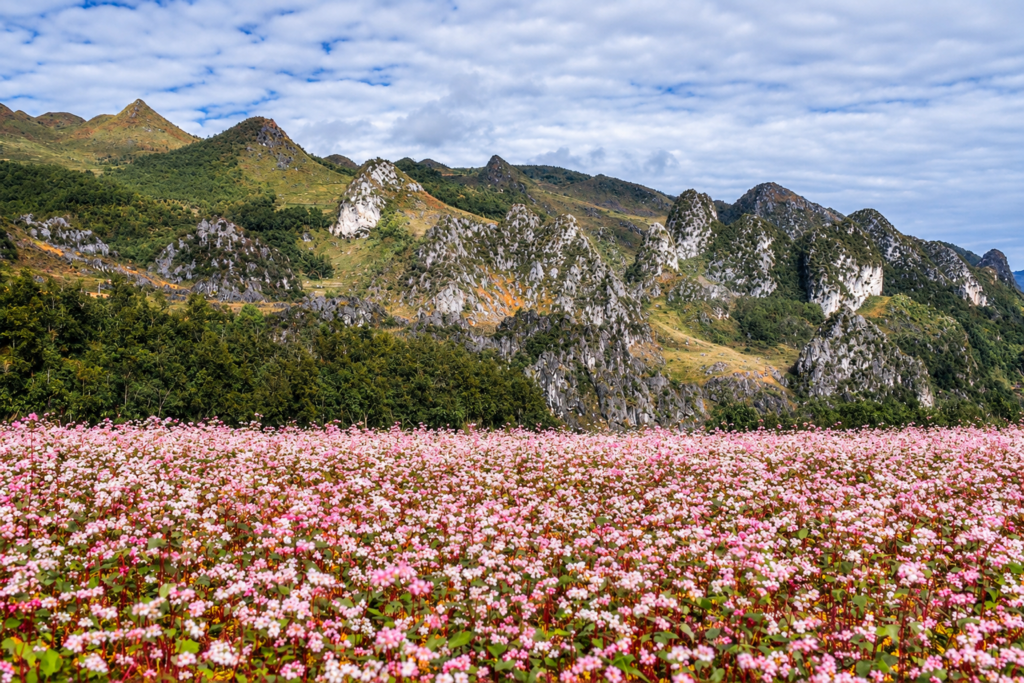
Ha Giang Buckwheat Flower Season
Unlike destinations with large, continuous flower gardens, Ha Giang offers a more natural landscape. Flower fields appear between rocky hills, beside small villages, and across agricultural land.
The scenery can change significantly as you travel through the region. One moment, you may see a small field of pale flowers beside a stone house. A little further along the road, the landscape may open into a wide valley surrounded by limestone peaks.
Morning light can create a soft atmosphere across the valleys, while sunny afternoons often reveal more detail in the mountains and flower fields.
The season is also a good opportunity to experience the local highland lifestyle. Markets, village roads, traditional houses, and agricultural activities all contribute to the character of the journey.
Rather than treating the flowers as the only reason to visit, consider them one part of a wider experience of northern Vietnam.
Ha Giang offers many opportunities for photography, especially when the flowers are in bloom. However, capturing the scenery well often requires more than simply finding a flower field.
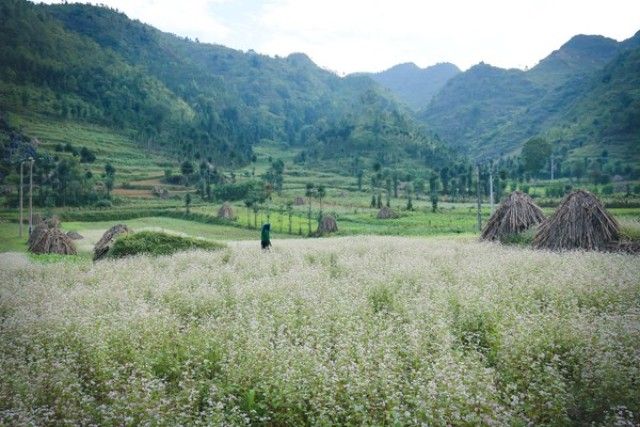
Ha Giang Buckwheat Flower Season
Visit in the morning or late afternoon. Soft natural light can make the flowers and surrounding mountains look more balanced. Early mornings may also bring mist across the valleys.
Include the landscape in your photos. Instead of taking only close-up pictures of flowers, try to include limestone mountains, stone houses, or village paths to show the unique character of Ha Giang.
Respect the flower fields. Do not step on flowers or damage crops just to get a better photograph. Some fields belong to local farmers, and visitors should follow any signs or instructions.
Ask before photographing local people. A friendly conversation and a request for permission can make the experience more respectful and comfortable for everyone.
Bring a phone or camera with enough storage. You will likely encounter many scenic viewpoints and villages along the route, not just flower fields.
The buckwheat flower season is a popular period for visiting Ha Giang, so it is worth planning your transportation, accommodation, and itinerary in advance.
Three to four days is a practical amount of time for many travelers who want to explore the main attractions of the Ha Giang Loop.
A shorter journey may be suitable if you have limited time, while a longer itinerary gives you more opportunities to explore villages, viewpoints, and cultural destinations without rushing.
You can compare the available itineraries through the Ha Giang Loop 3 Days 2 Nights Adventure Tour and the Ha Giang Loop 4 Days 3 Nights Adventure Tour.
If you want to explore more of Northeast Vietnam beyond the classic Loop, you can also consider the longer Ha Giang Loop, Cao Bang, and Ba Be Lake 6 Days 5 Nights Adventure Tour.
Travelers can experience the Ha Giang Loop in different ways depending on their riding experience and personal preferences.
If you have sufficient motorbike experience and meet the applicable licensing requirements, riding by yourself can offer more independence.
If you are not confident on mountain roads, an Easy Rider arrangement allows you to sit behind an experienced local driver and enjoy the scenery without having to control the motorbike.
Another option is to travel as a passenger behind a friend who is confident and qualified to ride.
Before choosing, read our guide to Self-Riding vs Easy Rider on the Ha Giang Loop to understand the differences between these travel styles.
October to December can bring cooler temperatures, particularly in the early morning, evening, and higher mountain areas.
Bring a warm jacket, comfortable clothing, long trousers, and closed shoes. A windproof outer layer is useful when traveling on a motorbike.
You should also prepare for changing weather conditions. Fog or light rain may affect visibility and make mountain roads more challenging.
For more information about seasonal conditions, read our Best Time to Visit Ha Giang Loop guide.
Do not assume that every destination will have flowers throughout the entire season.
Ask local guides, homestay owners, or tour operators about current flowering conditions before departure. They may be able to recommend the best places to visit based on what is blooming at that time.
Keeping your itinerary flexible will also help you enjoy the journey even if some flower fields are no longer in bloom.
The Ha Giang Loop is not only about mountain roads and scenic viewpoints.
Take time to visit local markets, explore traditional villages, and try regional dishes. These experiences help you understand the culture and daily life of communities living on the Dong Van Karst Plateau.
You can also read our Ha Giang Loop Complete Guide for more information about the route, travel preparation, and important stops.
October and November are generally popular months for seeing buckwheat flowers. Some fields may continue blooming into December, but the exact timing changes every year.
Sung La Valley, Lung Cam Cultural Village, Pho Cao, Sa Phin, and areas around Lung Cu are worth checking during the flowering season. Flower availability depends on local planting schedules and weather.
Buckwheat flowers can change color as they mature. They often begin as white or pale pink before becoming deeper pink or purple.
Yes. November is commonly a good time to look for buckwheat flowers and enjoy cooler mountain weather. However, you should check current flower conditions before traveling.
Yes. Several flower-viewing locations are in the Dong Van area along popular Ha Giang Loop itineraries. Your exact stops will depend on your route and trip duration.
Three to four days is a reasonable choice for exploring the main Ha Giang Loop attractions and visiting flower-viewing locations. A longer trip gives you more flexibility to explore additional villages and destinations.
Beginners can visit Ha Giang during this period, but riding independently still requires proper experience and the necessary legal documents. Travelers who are not confident on mountain roads may prefer an Easy Rider option.
The Ha Giang Buckwheat Flower Season offers a special opportunity to see northern Vietnam in a different way. The soft colors of the flowers create a beautiful contrast with the limestone mountains, traditional villages, and winding roads of the Dong Van Karst Plateau.
Ha Giang Buckwheat Flower Season
October and November are often popular months to plan a visit, but the best experience depends on local flowering conditions and your preferred travel style. Take time to explore beyond the flower fields, meet local communities, and enjoy the scenery along the journey.
If you are planning to discover Ha Giang during this beautiful season, visit TIEMTOURS to explore available tours and find a journey that suits your schedule.
Ha Giang Loop experience
18/11/2026
Ha Giang Loop experience
18/11/2026
Ha Giang Loop experience
16/11/2026
Ha Giang Loop experience
16/11/2026
Ha Giang Loop experience
13/11/2026
Ha Giang Loop experience
13/11/2026
Ha Giang Loop experience
13/11/2026
Ha Giang Loop experience
11/11/2026
Ha Giang Loop experience
09/11/2026
Ha Giang Loop experience
09/11/2026