Ha Giang Loop experience
18/11/2026
Ma Pi Leng Pass: The Most Spectacular Mountain Road on the Ha Giang Loop

Share


Summary of content
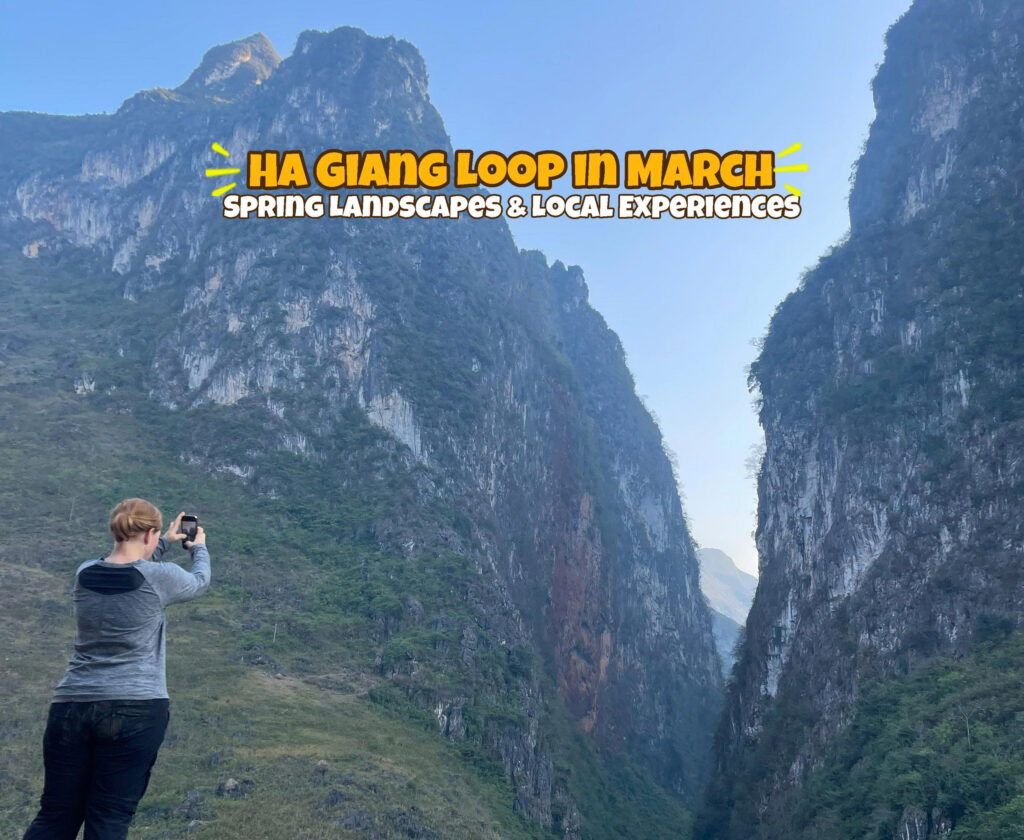
Ha Giang Loop in March reveals a different side of northern Vietnam as the mountains move further into spring. The coldest days of winter begin to fade, village surroundings become greener, and local communities return to their seasonal farming activities. Rather than focusing only on famous viewpoints, March offers an opportunity to experience the everyday life and changing landscapes of the northern highlands.
Ha Giang Loop In March
For travelers, this is a good time to look beyond the usual photographs of mountain passes. You can explore small villages, observe how local families work on their fields, discover traditional houses, and spend more time enjoying the scenery along the route.
Here are the experiences that make visiting Ha Giang in March worth considering.
March is an interesting period to observe agricultural life in Ha Giang. After the colder winter months, local families gradually prepare their fields for another growing season.
Ha Giang Loop in March
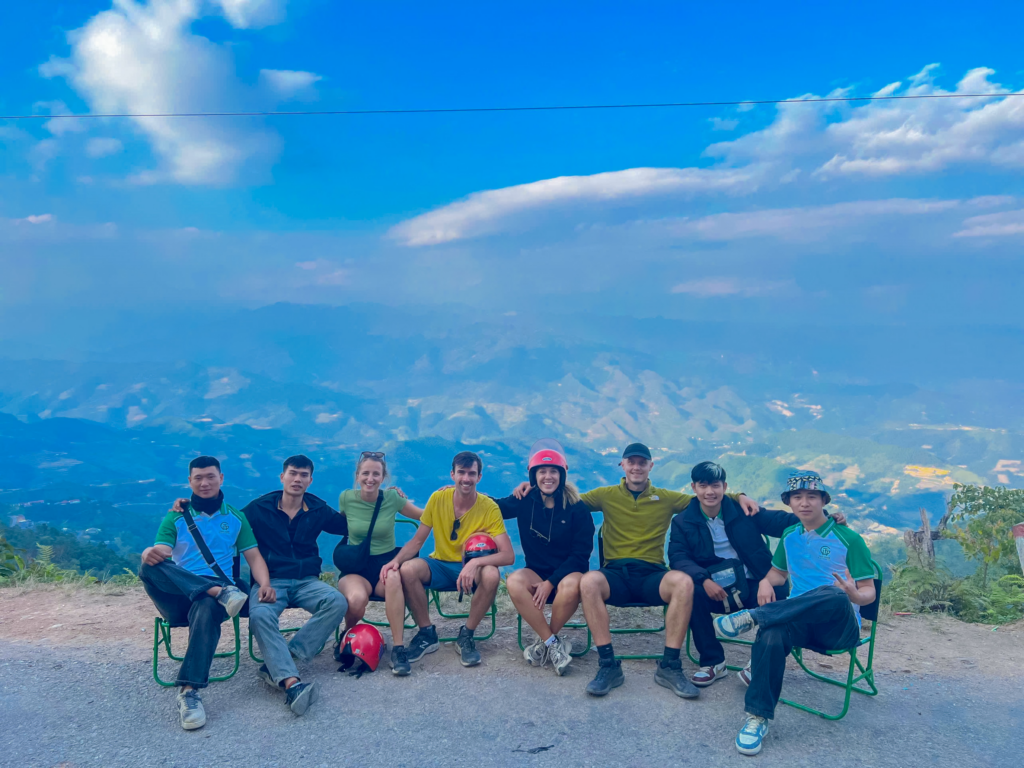
Across the mountain valleys, you may see farmers working on small plots of land, preparing soil, planting crops, or taking care of their fields. These activities are part of everyday life in the region and offer a different perspective from the usual tourist attractions.
Agriculture in Ha Giang is closely connected to the landscape. Many communities live among steep hills and rocky mountains, where available farmland is limited. Families make use of valleys, hillsides, and small terraces to grow crops and support their livelihoods.
The timing of farming activities varies between locations and depends on local weather. However, March can be a good opportunity to see the region gradually returning to its agricultural rhythm.
For visitors interested in local culture, these everyday scenes can be just as memorable as the famous mountain viewpoints.
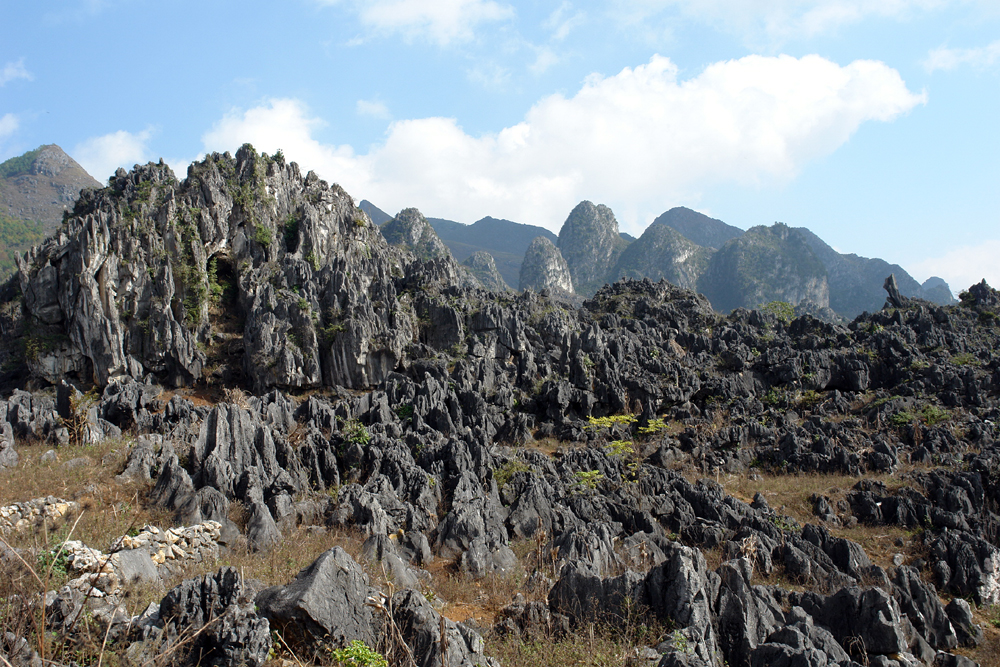
The Dong Van Karst Plateau is one of the most distinctive landscapes in northern Vietnam. Its limestone mountains, narrow valleys, and rocky hills create a dramatic setting that looks different throughout the year.
In March, the scenery begins to change after winter. Some areas become greener, small plants appear around villages, and agricultural fields start preparing for a new season.
Ha Giang Loop in March
The landscape is not necessarily covered in flowers or lush vegetation everywhere. Instead, the appeal comes from the contrast between the grey limestone formations, green patches of farmland, traditional houses, and open mountain views.
Travelers can take time to appreciate these details while moving between destinations. A short stop beside a village or a quiet road through the mountains may offer a more personal experience than visiting only the busiest attractions.
If you want to understand how the different destinations connect along the journey, explore our guide to the Ha Giang Loop Route.
March is a good time to spend more time exploring the villages along the Ha Giang Loop. Beyond the mountain scenery, the region is home to different ethnic communities, each with its own traditions, architecture, clothing, and way of life.
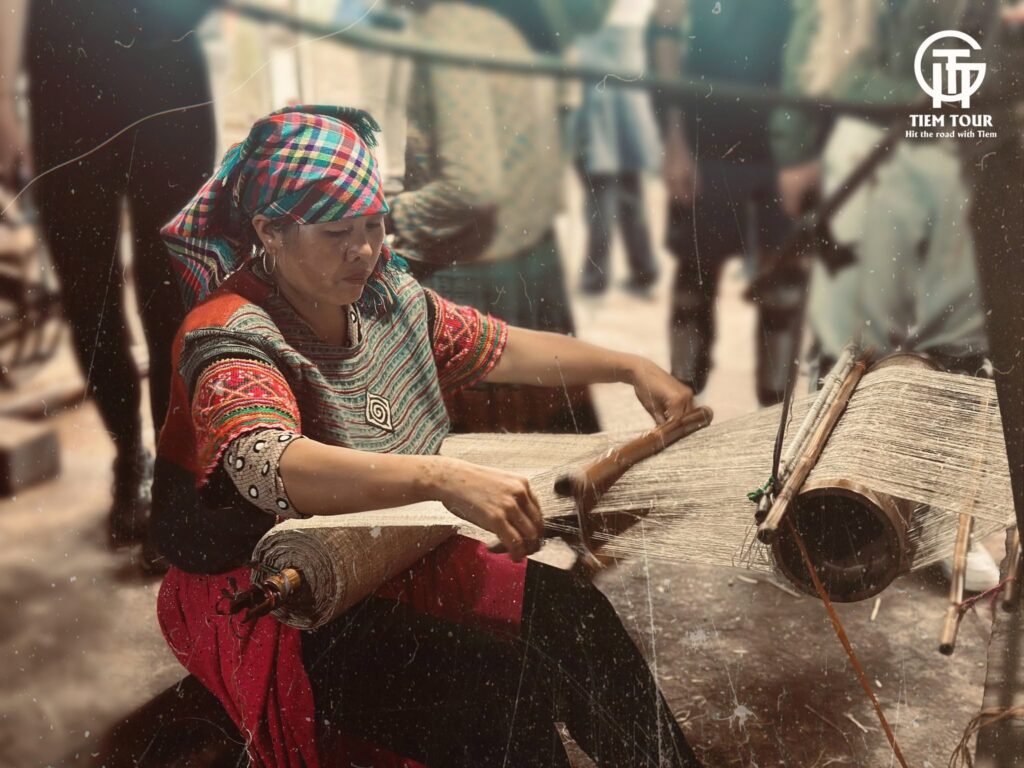
Ha Giang Loop in March
One of the most recognizable features of the Dong Van area is the traditional stone house. These houses are built using locally available materials and reflect how people have adapted to the rocky environment.
Sung La is a particularly interesting place to explore. The village is known for its traditional houses and the quiet atmosphere of its surrounding valley. Walking through the village gives visitors a chance to observe details that may be missed when traveling quickly by motorbike.
Pho Bang is another destination worth considering. Its old houses, narrow streets, and relatively peaceful setting provide a different experience from the more frequently visited viewpoints.
When visiting local communities, remember that these are people’s homes rather than open-air tourist attractions. Ask before photographing residents, respect private spaces, and follow local guidance.
Local markets are an important part of life in the Ha Giang region. They are not simply places where visitors buy souvenirs. For many residents, markets are where people trade agricultural products, purchase daily necessities, meet friends, and catch up with other members of their communities.
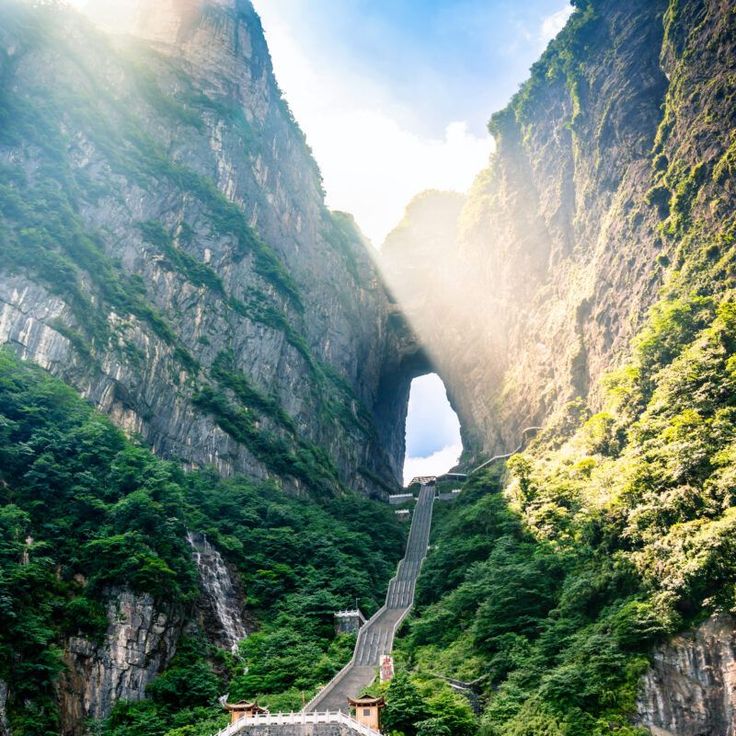
Ha Giang Loop in March
Depending on the location and market schedule, you may find vegetables, local food, traditional clothing, household items, and livestock.
March can be an interesting time to visit because the region is moving into spring, while local communities continue their usual activities after the Lunar New Year period.
Some markets are held on specific days rather than operating every day. Therefore, you should check the schedule before planning a visit.
When exploring a market, take time to observe the atmosphere instead of treating it as a quick photo stop. Trying local food or purchasing a small handmade item can also be a meaningful way to support the community.
The Ha Giang Loop is known for its dramatic mountain roads, but some viewpoints deserve more time than a short stop for photographs.
March offers opportunities to enjoy these locations in the changing spring landscape.
Quan Ba Heaven Gate: This viewpoint provides a wide view of the surrounding mountains and the famous Twin Mountains. It is a natural place to pause and appreciate the scale of the landscape.
Tham Ma Pass: Known for its winding road, Tham Ma Pass is one of the recognizable sections of the Loop. The curves of the road create interesting viewpoints for photography.
Lung Cu Flag Tower: Located near Vietnam’s northernmost point, Lung Cu offers a combination of cultural significance and panoramic mountain views. The surrounding villages are also worth exploring.
Ma Pi Leng Pass: This is one of the most memorable mountain passes in the region. Its steep limestone cliffs overlook the Nho Que River canyon, creating some of the most impressive scenery along the journey.
Rather than rushing between all these destinations, consider spending more time at a few places that interest you most.
The Nho Que River is one of the most recognizable natural features of the Ha Giang Loop. Its green-blue water flows through a deep canyon surrounded by towering limestone cliffs.
A boat trip along the river offers a different perspective from the road above Ma Pi Leng Pass. Instead of looking down into the canyon from a viewpoint, you can travel through the valley and admire the scale of the surrounding rock formations.
Tu San Canyon is particularly impressive because of its towering cliffs and narrow river passage.
March can be a pleasant period for this experience, although river conditions and boat schedules depend on local operations and weather.
If you want to include a boat trip in your itinerary, check availability before departure and allow enough time to reach the pier.
Food is another way to understand the culture of the northern mountains. The Ha Giang region has several local dishes that reflect the ingredients, climate, and traditions of its communities.
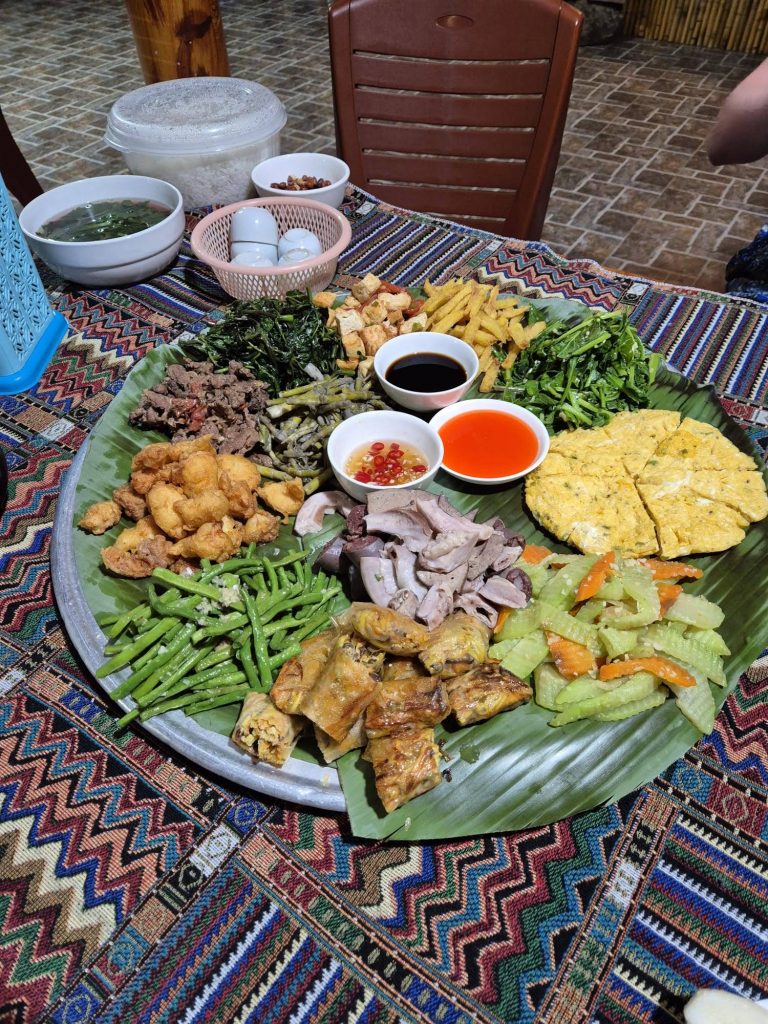
Ha Giang Loop in March
Some foods worth trying include:
Thang Co: A traditional dish associated with the Hmong community, often found at local markets and restaurants.
Men Men: A traditional Hmong food made from steamed ground corn, commonly served with other dishes.
Buckwheat Cake: A local specialty made from buckwheat flour, particularly associated with the Dong Van area.
Au Tau Porridge: A distinctive local dish made with au tau tuber and other ingredients. It requires proper preparation before consumption.
Local Corn Wine: A traditional drink produced in some mountain communities. If you choose to try it, drink responsibly.
Food availability varies between villages and restaurants. Some dishes are more commonly found at markets or during certain local occasions.
Trying local specialties is a simple way to make your journey more memorable, especially if you take the opportunity to eat at family-run restaurants and local homestays.
March can be a rewarding month for travelers who enjoy landscape photography and spending time outdoors.
The combination of limestone mountains, village architecture, agricultural fields, and changing spring vegetation creates plenty of opportunities for photography.
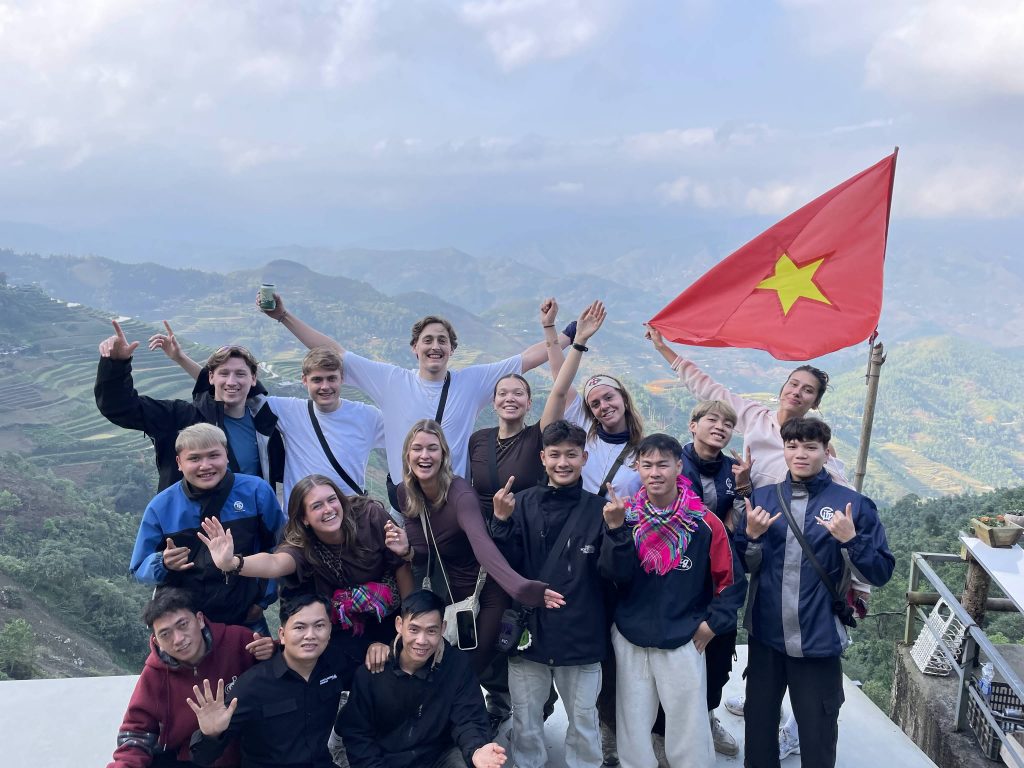
Ha Giang Loop in March
Instead of focusing only on wide mountain views, try capturing smaller details along the journey. Traditional stone walls, wooden doors, local markets, farming activities, and winding village roads can help tell a more complete story of Ha Giang.
The month is also suitable for short walks around villages and viewpoints, depending on local conditions. These activities allow you to experience places that may be missed when traveling entirely by motorbike.
If photography is one of your priorities, allow extra time for stops. Avoid stepping into private farmland or blocking traffic when taking pictures.
Your itinerary should reflect the type of experience you want rather than simply the number of attractions you can visit.
For travelers with limited time, a 3-day, 2-night trip covers several of the main destinations along the Loop. It is a practical option if you want to experience the mountain scenery and local culture within a shorter schedule.
You can explore the 3 Days 2 Nights Ha Giang Loop Adventure Tour.
If you prefer a slower journey, a 4-day, 3-night trip provides more opportunities to explore villages, enjoy viewpoints, and take breaks along the route.
The 4 Days 3 Nights Ha Giang Loop Adventure Tour is worth considering if you want additional time for sightseeing.
Before choosing a package, think about what matters most to you. Some travelers prioritize mountain roads and famous viewpoints, while others prefer local food, village visits, and photography.
You can compare the available journeys on the Tiem Tours website to find an itinerary that matches your interests.
Every season brings a different atmosphere to Ha Giang, and March has its own characteristics.
January is associated with colder winter conditions, while February marks the transition toward spring and may coincide with Lunar New Year celebrations.
By March, the region is further into the spring season. Agricultural activities become more visible, the landscape gradually changes, and travelers can spend more time exploring villages and outdoor destinations.
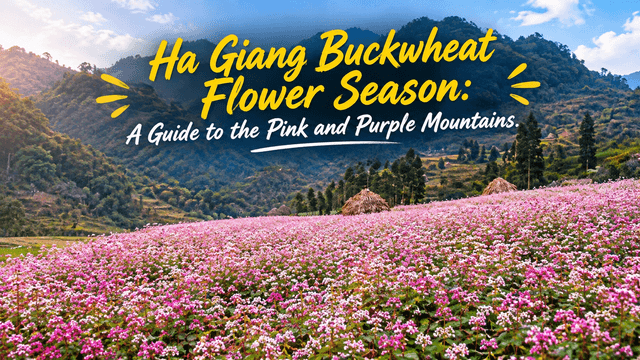
Compared with the autumn months, March does not offer the same golden rice terraces or peak buckwheat flower scenery. Instead, it is more about experiencing the region as local communities begin another agricultural cycle.
This makes March a suitable choice for travelers who are interested in everyday mountain life rather than visiting only during the most photographed flower and harvest seasons.
Yes. March is a good month for travelers who want to explore the mountain scenery, visit traditional villages, and experience the region during spring. It is also a suitable period for outdoor activities when local weather conditions are favorable.
March offers an opportunity to see the region moving into a new agricultural season. Travelers may experience greener surroundings, local farming activities, traditional villages, and seasonal flowers depending on the location.
Yes. Local markets operate according to their own schedules, which are often based on specific days of the week. Check the market schedule before arranging your itinerary.
Boat trips are generally available depending on local operations and river conditions. Check availability with your tour operator before your visit.
Three days and two nights are enough to experience several of the main highlights. However, a four-day journey gives you more time to explore villages and enjoy the scenery without rushing.
If you do not have experience riding on mountain roads, an Easy Rider tour is a suitable option. You can enjoy the journey as a passenger while an experienced local driver handles the motorbike.
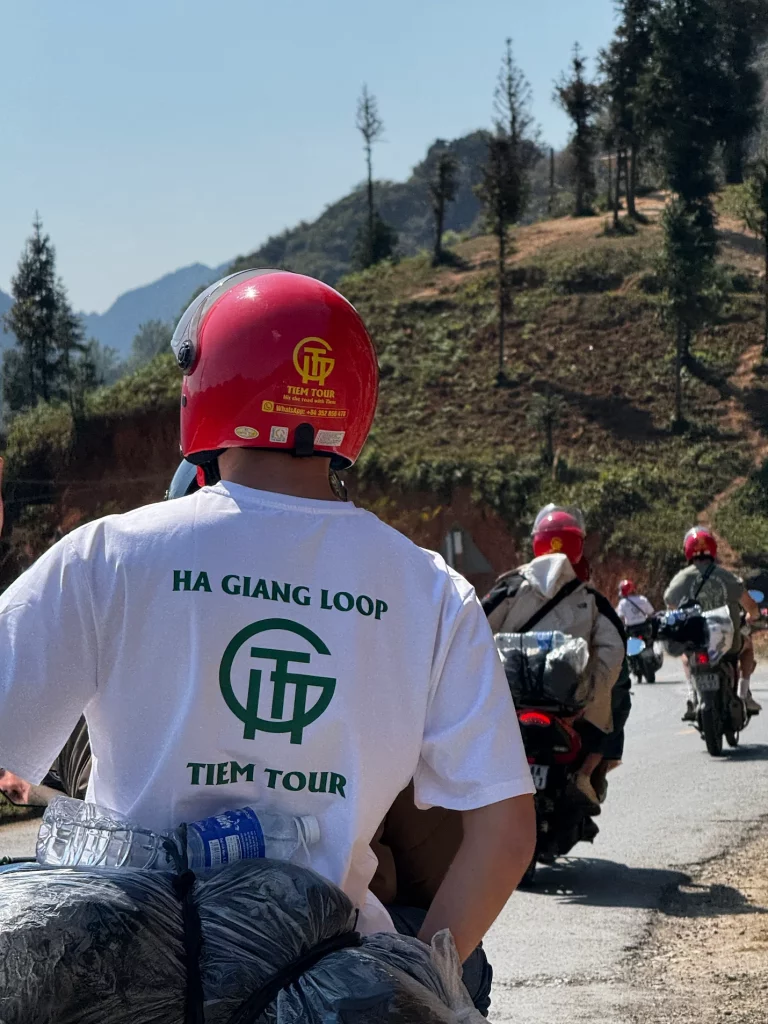
The Ha Giang Loop in March is not only about spring flowers or pleasant weather. It is also an opportunity to discover the everyday life of mountain communities, explore traditional villages, taste local food, and understand how people live among the limestone mountains of northern Vietnam.
Ha Giang Loop in March
If you prefer a journey that combines natural scenery with cultural experiences, March is worth considering. Take your time, explore beyond the main viewpoints, and enjoy the quieter details that make Ha Giang special.
Ha Giang Loop experience
18/11/2026
Ha Giang Loop experience
18/11/2026
Ha Giang Loop experience
16/11/2026
Ha Giang Loop experience
16/11/2026
Ha Giang Loop experience
13/11/2026
Ha Giang Loop experience
13/11/2026
Ha Giang Loop experience
13/11/2026
Ha Giang Loop experience
11/11/2026
Ha Giang Loop experience
11/11/2026
Ha Giang Loop experience
09/11/2026