Ha Giang Loop experience
18/11/2026
Ma Pi Leng Pass: The Most Spectacular Mountain Road on the Ha Giang Loop

Share


Summary of content
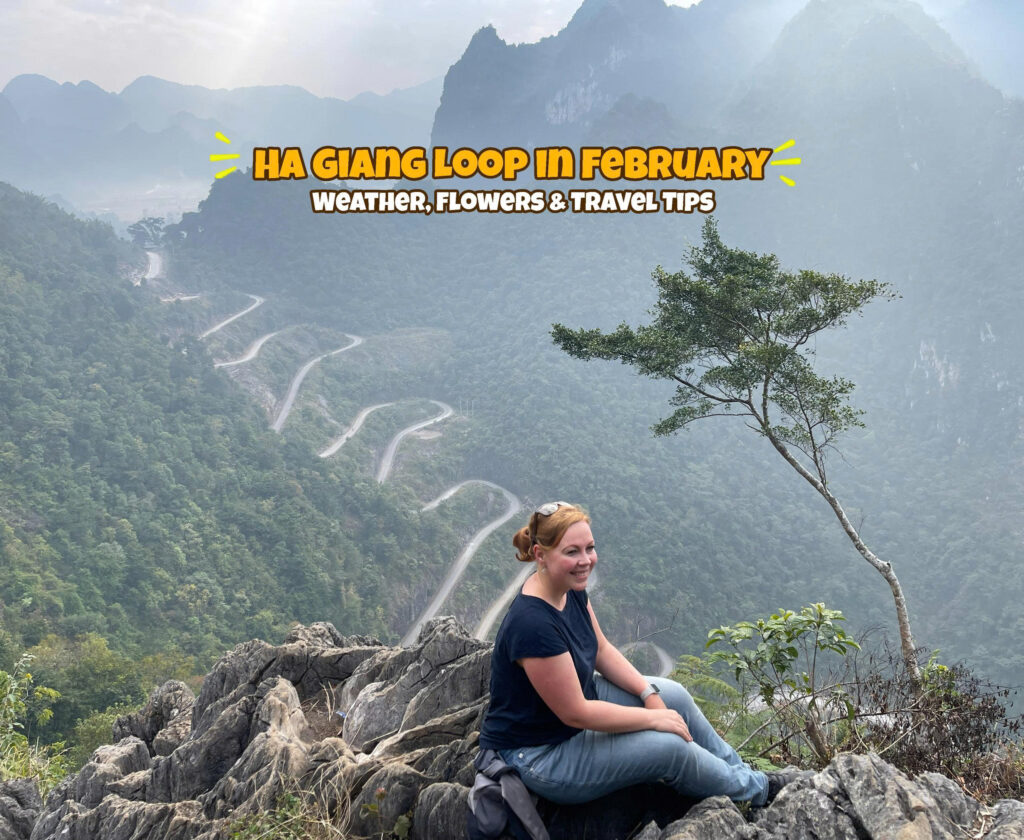
Ha Giang Loop in February is a special time to explore northern Vietnam as winter gradually gives way to spring. The mountain air is still cool, especially in the early morning and at higher elevations, but the landscape begins to show signs of new life. Peach and plum blossoms may appear across traditional villages, while local communities prepare for or celebrate the Lunar New Year.
Ha Giang Loop In February
February offers a different atmosphere from the colder and quieter days of January. Travelers can enjoy misty mountain scenery, traditional villages, and the first signs of spring. However, cold weather, occasional drizzle, fog, and Tet holiday schedules are important factors to consider before planning your journey.
If you are thinking about visiting Ha Giang in February, this guide covers what to expect and how to prepare for a comfortable trip.
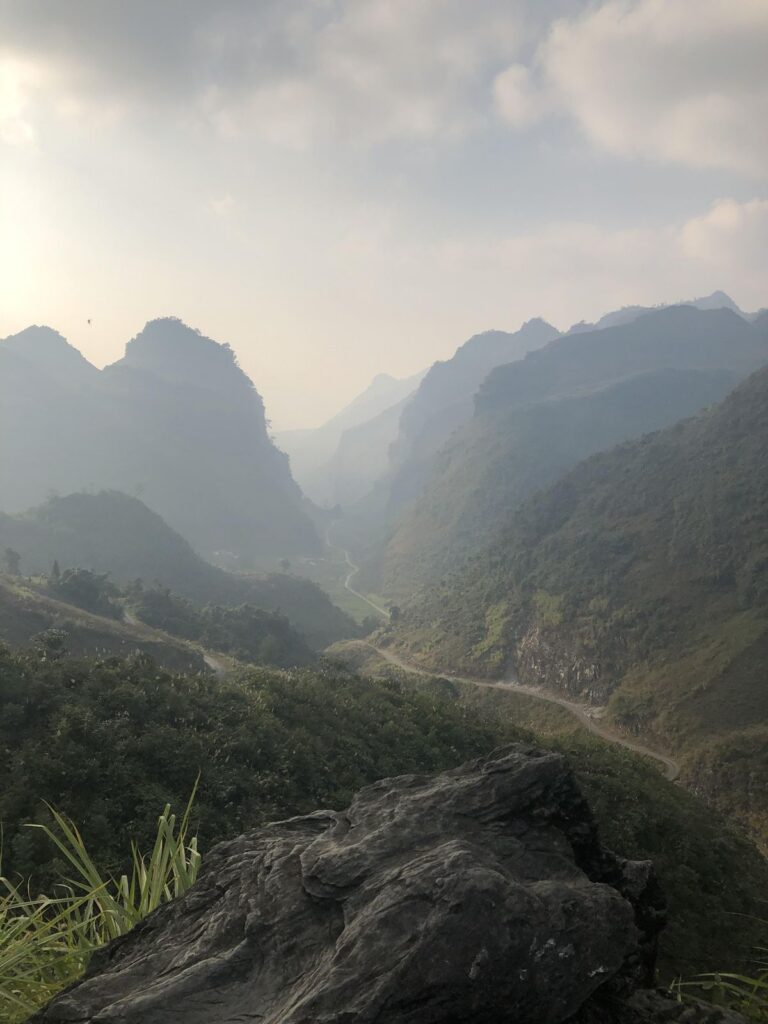
February is generally a cool month in Ha Giang, with temperatures gradually becoming milder as spring approaches. However, the weather can feel quite different depending on where you are along the route.
Ha Giang Loop in February
Ha Giang City and lower valleys are usually warmer than the higher areas of the Dong Van Karst Plateau. Places such as Quan Ba, Dong Van, and Meo Vac can remain cold, particularly at night and in the early morning.
Fog is still common in mountain areas. Some mornings may begin with low clouds covering the valleys and mountain passes, while visibility can improve later in the day. Light drizzle and damp weather are also possible, even though February is outside the main summer rainy season.
For travelers riding a motorbike, the combination of cold air, wind, and damp roads can make the journey feel colder than expected. It is important to prepare for changing conditions rather than assuming that February will always be warm and sunny.
One of the main reasons travelers choose February is the chance to see spring flowers across the mountain villages.
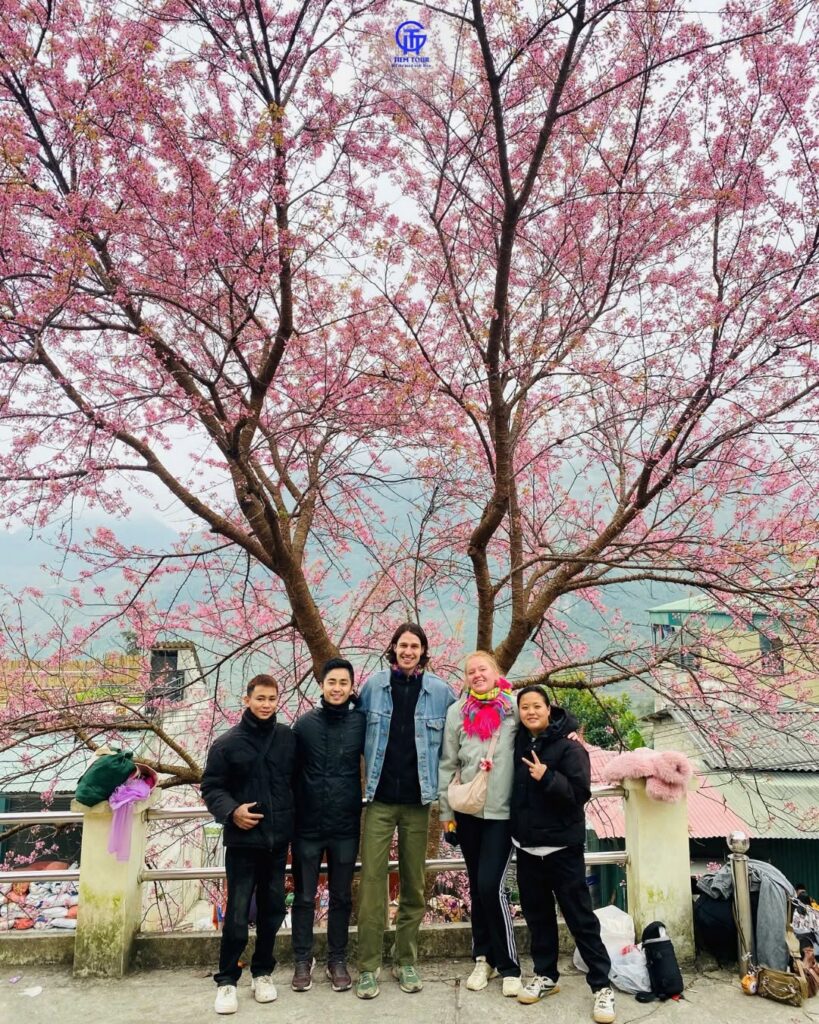
Peach and plum blossoms often begin appearing from late winter into early spring. Their flowering periods depend on temperatures, altitude, and weather conditions, so the exact timing changes from year to year.
Ha Giang Loop in February
You may find pink peach blossoms and white plum flowers around villages and valleys on the Dong Van Karst Plateau. These flowers create a beautiful contrast against the traditional stone houses, limestone mountains, and green fields.
Some areas worth paying attention to include:
Sung La Valley: Known for its traditional houses and beautiful mountain surroundings, Sung La is a good place to look for seasonal blossoms.
Pho Cao: This area is famous for its traditional Hmong houses and peaceful village atmosphere. During the flowering season, blossoms can add color to the stone walls and village landscapes.
Dong Van: The town and surrounding villages offer opportunities to experience local life while looking for early spring flowers.
Lung Cu: The villages around Vietnam’s northernmost flag tower may also have seasonal blossoms, depending on the weather and flowering period.
It is important to remember that flowers do not bloom everywhere at the same time. If seeing peach and plum blossoms is a priority, ask local guides about current conditions rather than relying on fixed dates or old photographs.
The scenery in February is a mixture of winter landscapes and early signs of spring.
The limestone mountains remain dramatic, with steep cliffs, winding roads, and deep valleys. Morning mist often creates a quiet atmosphere, especially around the higher mountain passes.
In some villages, you may see peach and plum trees beginning to flower beside traditional houses. Yellow mustard flowers may also appear in certain areas, depending on local growing conditions.
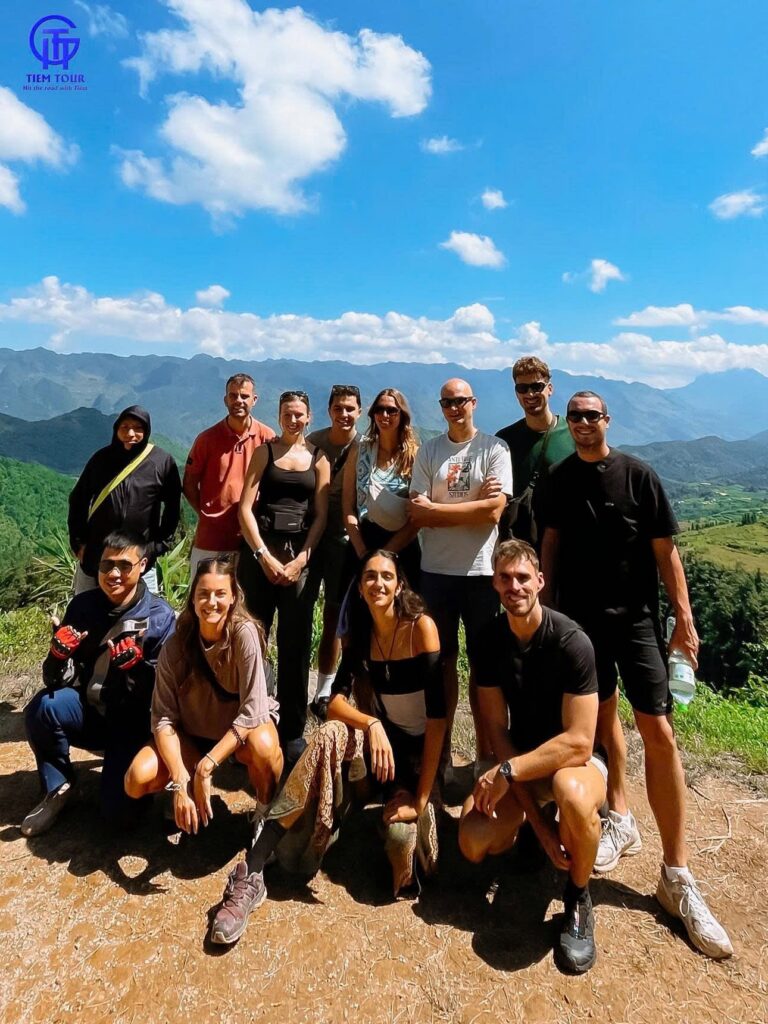
Ha Giang Loop in February
Unlike September and October, February is not known for golden rice terraces. Most rice fields are between growing seasons, so the landscape may look less colorful than during the autumn harvest.
However, February has its own visual appeal. The combination of grey limestone mountains, colorful traditional clothing, spring blossoms, and misty valleys makes it an interesting month for photography and cultural experiences.
If you want to compare the scenery across different seasons, read our guide to the Best Time to Visit Ha Giang Loop.
February can be a good time to visit if you enjoy cool weather, mountain scenery, and the atmosphere of early spring.
One of its biggest attractions is the seasonal transition. Travelers may have the opportunity to see peach and plum blossoms while experiencing local communities preparing for the Lunar New Year or celebrating traditional festivals after the holiday.
The weather is generally less rainy than during the summer months. This can make it easier to organize a multi-day journey, although fog and occasional drizzle may still affect visibility and road conditions.
However, February also has some disadvantages. Temperatures can remain low in the mountains, and the weather is not always suitable for travelers who prefer warm, sunny conditions. The Lunar New Year can also affect transport, accommodation, restaurants, and tour schedules.
February is a good choice for travelers who want a quieter spring atmosphere and are flexible with their plans. If your main priority is clear skies and more comfortable riding temperatures, March and April may be worth considering.
Tet, or Vietnamese Lunar New Year, is one of the most important holidays in Vietnam. It usually falls in late January or February, depending on the lunar calendar.
During this period, many local families return to their hometowns, prepare traditional food, decorate their houses, and celebrate with relatives. In the ethnic minority communities of Ha Giang, Tet is also an important time for cultural traditions, family gatherings, and local festivities.
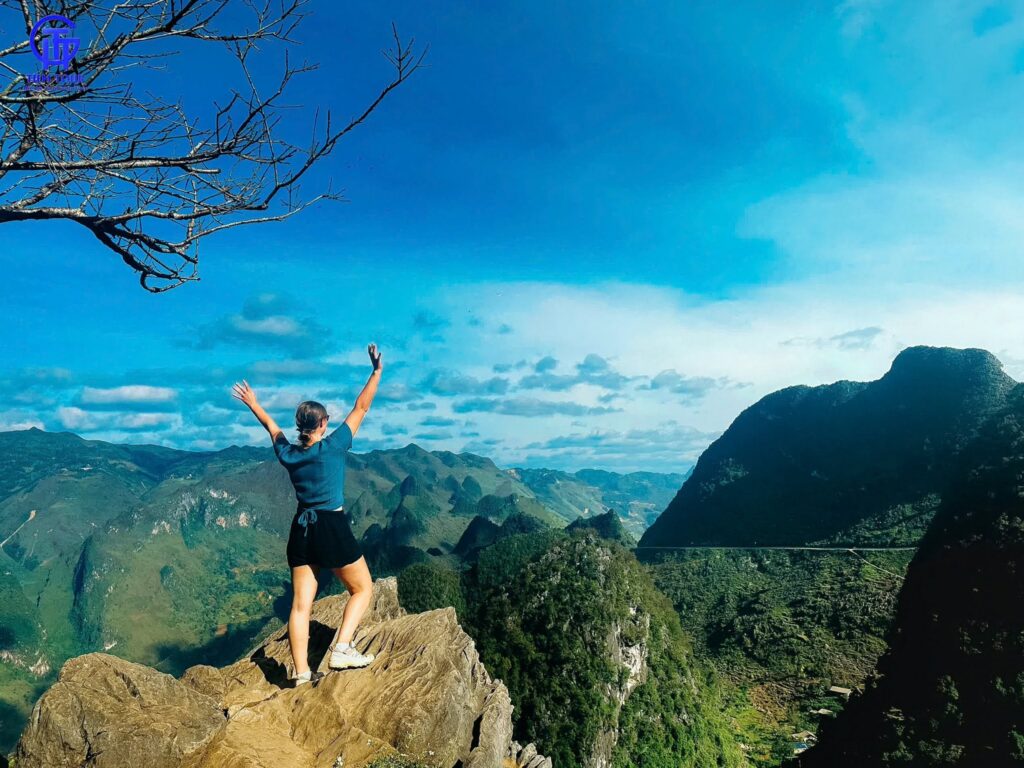
Ha Giang Loop in February
For international travelers, visiting during this period can offer an interesting cultural experience. You may see traditional clothing, decorated houses, local markets, and celebrations in some villages.
However, traveling during Tet requires additional planning.
Some restaurants, shops, and homestays may close temporarily so that owners and staff can celebrate with their families. Bus schedules may change, and transport between Hanoi and Ha Giang can become busy before and after the holiday.
Tour prices and accommodation rates may also change depending on the operator and travel dates. Not every business follows the same holiday schedule, so you should confirm availability before making a booking.
If your trip overlaps with Tet, arrange your transport, accommodation, and tour in advance. Do not assume that every service will operate as usual during the holiday.
Road conditions in February are generally less affected by heavy summer rainfall, but travelers should still be careful when moving through mountain areas.
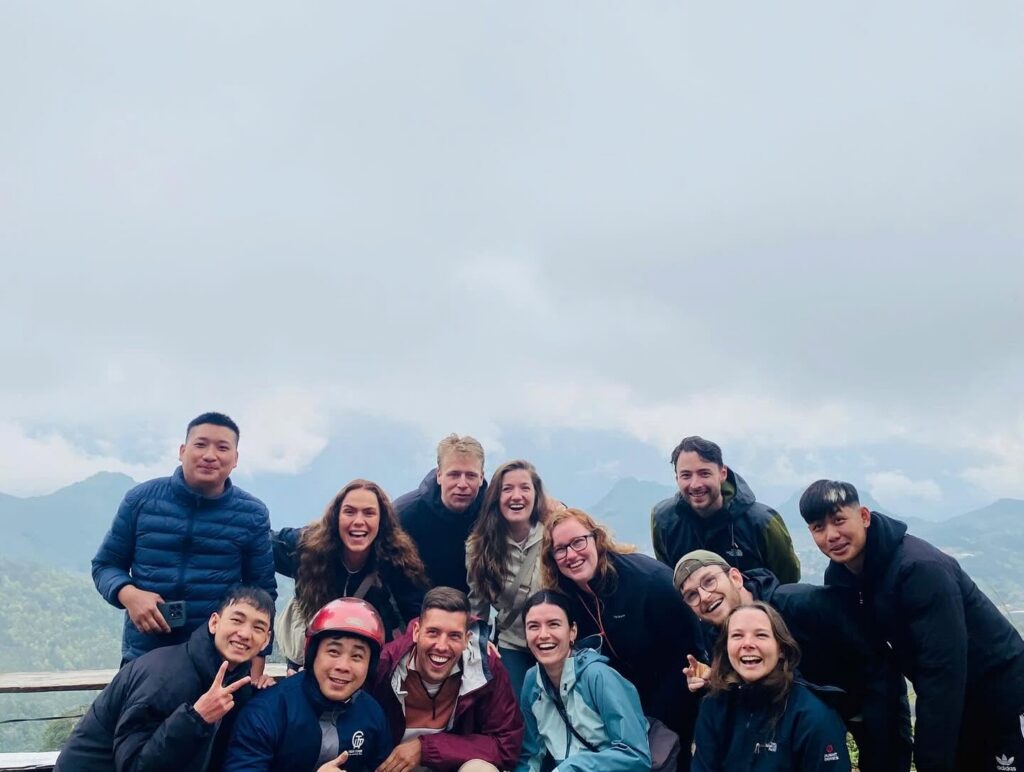
Ha Giang Loop in February
Fog is one of the main challenges. Visibility can become limited on exposed mountain roads and high passes, especially in the morning. Light drizzle may also leave some road sections damp or slippery.
Ma Pi Leng Pass is one of the most memorable parts of the journey, with dramatic views over the Nho Que River and surrounding limestone mountains. However, the road includes sharp bends and exposed sections, so riders should avoid rushing to reach viewpoints.
A few practical precautions can make your journey safer: Check local weather and road conditions before each riding day , avoid riding through thick fog when visibility is poor, slow down on bends and damp road sections, keep a safe distance from other vehicles, avoid traveling after dark, especially on unfamiliar mountain roads. And follow local guides’ advice if conditions change.
For a more detailed explanation of different road surfaces and potential hazards, see our guide to Ha Giang Loop Road Conditions.
Although February may feel warmer than January, it is still important to bring suitable clothing for mountain travel.
Temperatures can change throughout the day. You might feel comfortable when walking around a village in the afternoon but become cold quickly when riding through an exposed mountain pass.
Here are some useful items to pack:
Warm jacket: Bring an insulated jacket to protect yourself from cold temperatures, especially during early morning departures and evening stops.
Thermal clothing: Long-sleeved thermal tops and warm inner layers help maintain body heat without requiring bulky clothing.
Windproof jacket: Cold wind can make motorbike journeys uncomfortable. A windproof outer layer is particularly useful on high mountain roads.
Gloves: Warm gloves help protect your hands while riding and make it easier to maintain a comfortable grip.
Long trousers and warm socks: These help keep your legs and feet comfortable throughout the journey.
Comfortable shoes: Choose closed shoes with good grip for walking around villages, viewpoints, and uneven paths.
Rain protection: Light drizzle is possible in February, so a waterproof jacket or rain cover is worth bringing.
You should also bring sunscreen, personal medication, a power bank, and a small day bag for items you need along the route.
The best way to experience the Ha Giang Loop depends on your motorbike experience, confidence, and preferred travel style.
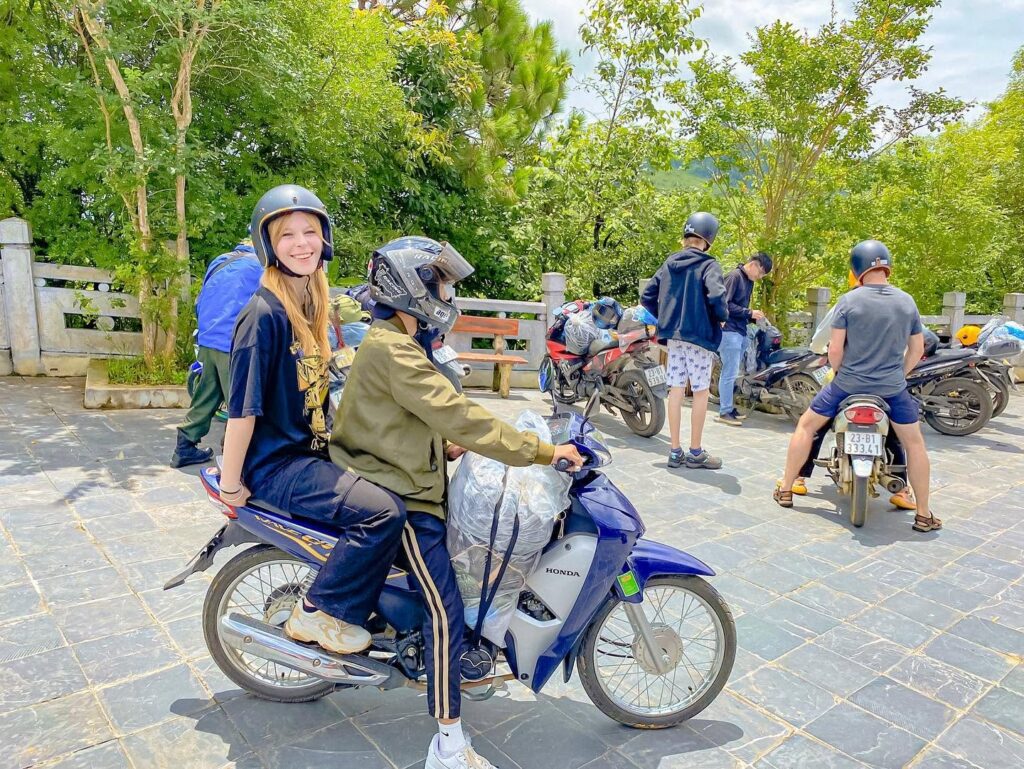
Ha Giang Loop in February
February can be more comfortable than the coldest winter days, but fog, damp roads, and winding mountain passes still require attention.
If you have experience riding a motorbike on mountain roads and meet the applicable licensing requirements, riding by yourself may give you more independence. You can control your pace and enjoy the journey at your own speed, while still following local safety advice.
However, beginners or travelers who are not confident riding in unfamiliar conditions may prefer an Easy Rider tour. An experienced local driver handles the motorbike, allowing you to enjoy the scenery without concentrating on every bend and road condition.
There is also an option to sit behind a friend who is confident and qualified to ride.
At Tiem Tours, travelers can choose between different riding arrangements depending on the available package. You can learn more about the differences in our guide to Self-Riding vs Easy Rider on the Ha Giang Loop.
The right trip duration depends on your schedule and how much time you want to spend exploring the region.
A 3-day, 2-night journey is suitable for travelers who want to experience the main highlights within a limited amount of time. It allows you to visit important destinations along the Loop without taking too many days away from the rest of your Vietnam itinerary.
You can explore the 3 Days 2 Nights Ha Giang Loop Adventure Tour if you prefer a shorter journey.
For a more relaxed experience, a 4-day, 3-night trip gives you additional time to enjoy the mountain scenery, visit local villages, and take breaks along the route. This can be especially useful in February when fog or changing weather may affect travel time.
The 4 Days 3 Nights Ha Giang Loop Adventure Tour is an option for travelers who do not want to rush through the journey.
If you have more time, longer trips can also include destinations beyond the traditional Ha Giang Loop, such as Cao Bang and Ba Be Lake. These routes offer a wider view of Northeast Vietnam.
You can check the available TiemTours to compare different trip durations.
Before starting your journey, keep these tips in mind to make your February trip more comfortable.
Check the Tet calendar: The Lunar New Year changes dates every year. Confirm whether your travel dates overlap with the holiday and ask about possible changes to transport and accommodation.
Book transport and accommodation early: Demand can increase around Tet, especially for buses from Hanoi and popular homestays along the Loop.
Ask about flower conditions: Peach and plum blossoms do not follow an exact calendar. Ask local guides or accommodation providers about what is currently blooming.
Prepare for cold mornings: Even if afternoons are mild, early morning temperatures in the mountains can remain low.
Keep your itinerary flexible: Fog and drizzle may affect visibility or travel time. Allow enough time for rest and unexpected changes.
Avoid rushing: The Ha Giang Loop is not only about reaching each destination. Give yourself time to enjoy the villages, viewpoints, and local atmosphere.
Choose a suitable riding option: If you have little or no experience on mountain roads, consider an Easy Rider tour rather than riding independently.
For more preparation advice, you can also read our Ha Giang Loop Safety Tips.
Yes. February can be a good time to visit if you enjoy cool weather, spring blossoms, and local cultural experiences. However, you should prepare for fog, cold mornings, and possible changes during Tet.
Snow is rare in Ha Giang and should not be expected during a normal February trip. Temperatures can become very low in high mountain areas, but frost and snow depend on unusual cold weather conditions.
Yes, peach and plum blossoms often appear from late winter into early spring. The exact flowering period changes each year depending on weather and altitude, so blooming cannot be guaranteed on specific travel dates.
It can be busier around the Lunar New Year, especially with domestic travelers. Some local businesses may also close temporarily, so booking transport and accommodation in advance is recommended.
February is generally outside the main summer rainy season, but light drizzle and mist are possible. Travelers should still bring waterproof clothing and check local weather conditions.
Bring warm layers, an insulated jacket, a windproof outer layer, gloves, long trousers, and closed shoes. These items will help you stay comfortable when temperatures drop in the mountains.
Three days and two nights are suitable for travelers with limited time, while four days and three nights allow a more relaxed experience. Your choice should depend on your schedule and preferred travel pace.
The Ha Giang Loop in February is a beautiful way to experience northern Vietnam as the region moves from winter into spring. Cool mountain air, misty valleys, traditional villages, and the possibility of seeing peach and plum blossoms give the journey a different atmosphere from the popular autumn season.
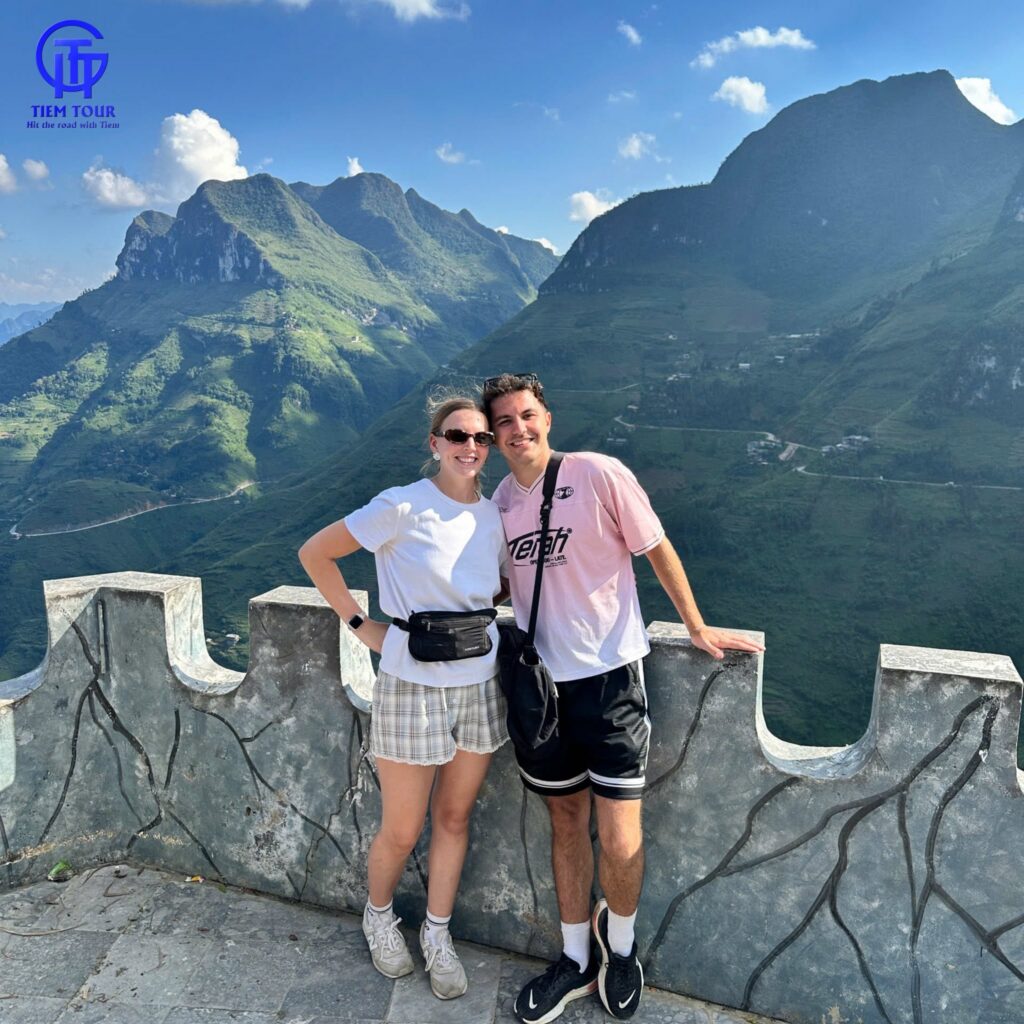
Ha Giang Loop in February
However, February travel requires some preparation. Check the weather, plan around Tet, bring warm clothing, and choose a riding option that matches your experience.
With a flexible itinerary and the right preparation, February can be a rewarding time to explore Ha Giang and discover the landscapes and local culture of Northeast Vietnam.
Ha Giang Loop experience
18/11/2026
Ha Giang Loop experience
18/11/2026

Ha Giang Loop experience
16/11/2026
Ha Giang Loop experience
16/11/2026
Ha Giang Loop experience
13/11/2026

Ha Giang Loop experience
13/11/2026

Ha Giang Loop experience
13/11/2026

Ha Giang Loop experience
11/11/2026
Ha Giang Loop experience
11/11/2026
Ha Giang Loop experience
09/11/2026